
A Live Forum, Built for Broadcast | The Ezra Klein Show
Argus HD × The New York Times
The Ezra Klein Show, live
A live candidate forum
A consequential conversation, built for the room and the audience beyond it.
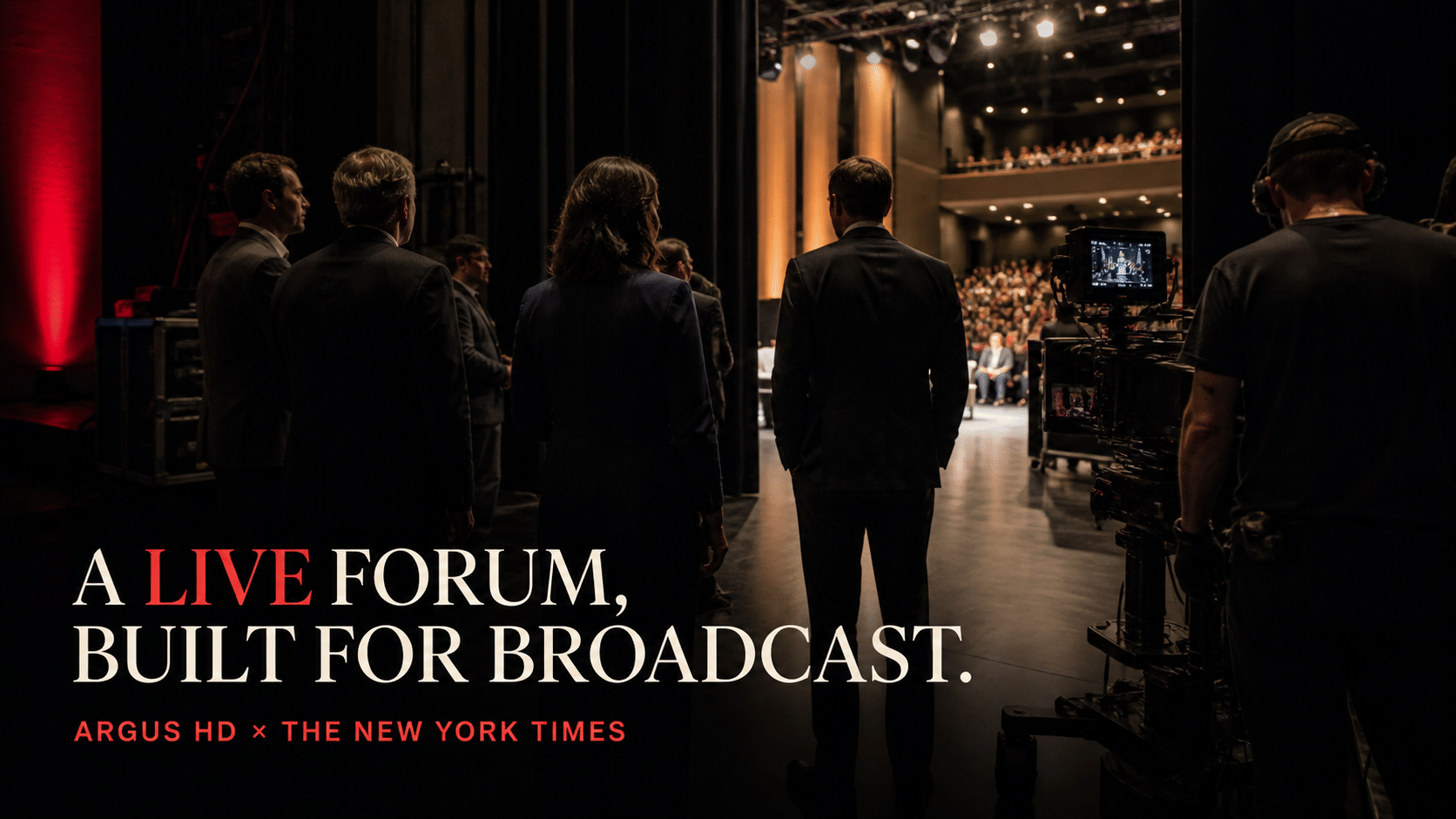
The New York Times brought The Ezra Klein Show to a sold-out theatre in Oakland for a live forum with five candidates for California governor. Argus HD designed the production so the event could feel immediate in the room while moving cleanly to viewers and listeners everywhere else.
The brief
One conversation. Three audiences.
The production had to work simultaneously for the people in the theatre, the live digital audience and everyone who would encounter the show later as video or audio. Each version needed to feel intentional—not like a stage event with a broadcast attached after the fact.
That shaped the entire plan. Camera positions had to preserve the room’s sightlines. The audio workflow had to support both the theatrical experience and a detailed program mix. Switching, graphics and distribution had to operate as one system from the first minute.
The assignment called for the discipline of a major broadcast deployment, delivered by a compact senior team. Argus brought experienced operators who could make decisions quickly, keep the footprint controlled and adjust without pulling attention away from the conversation.
The technology was substantial. The experience was meant to feel effortless.
The production design
Coverage with a reason behind every angle.
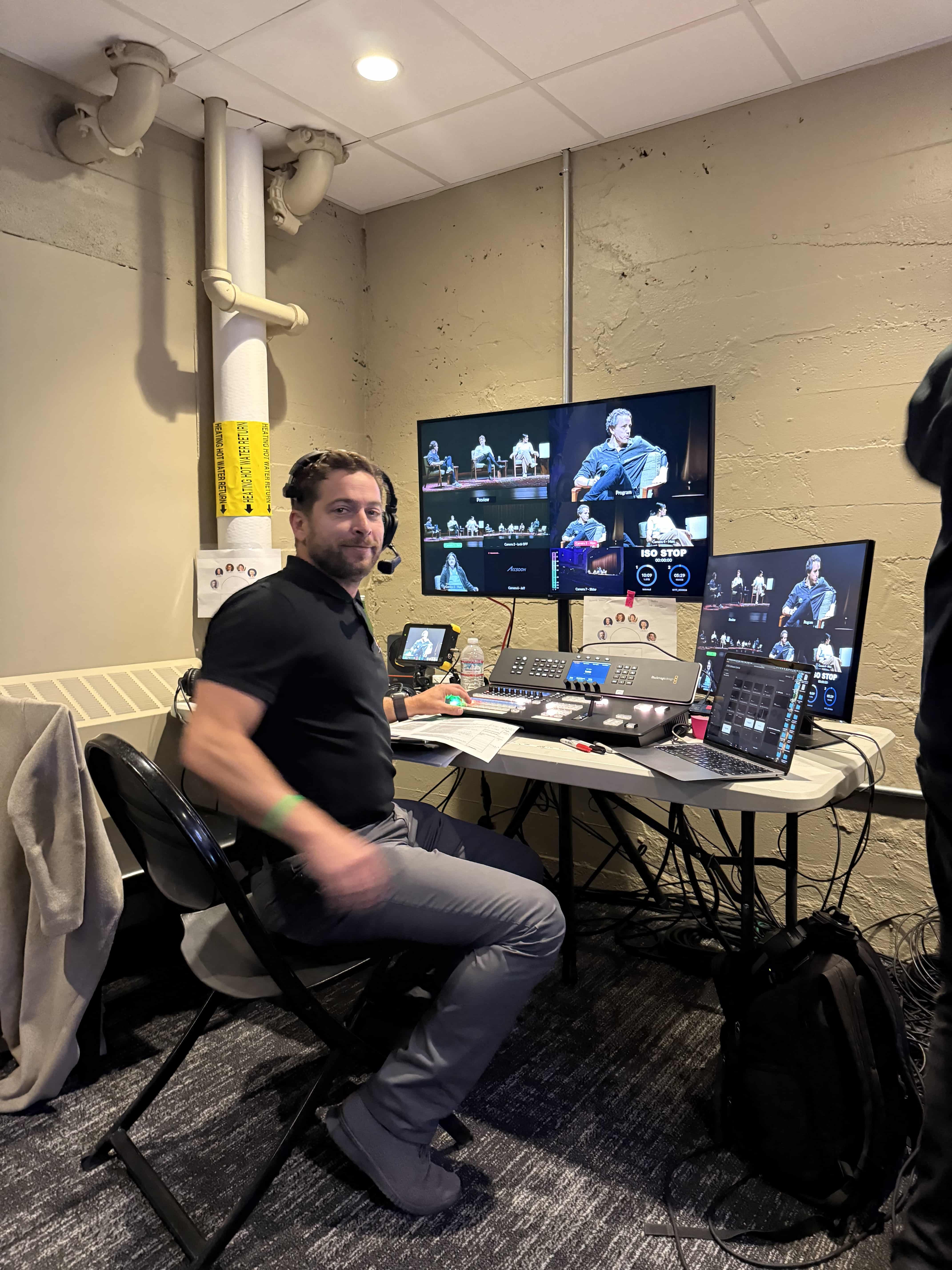
The seven-camera plan was built around the pace of a five-candidate exchange. Three Sony FR7 robotic cinema PTZ cameras provided discreet, repeatable coverage without crowding the stage. A long-lens hero position with a Fujinon 46× lens supplied the composed close-ups that give a live forum visual authority.
A wireless handheld camera, a lock-off safety angle and a slider completed the package. Together they gave the director room to follow reactions, cross-stage exchanges and changes in energy without turning the production itself into the subject.
01 / PICTURES
Seven-camera coverage
A combination of robotic, long-lens, handheld, fixed and moving angles designed for an active stage with six principal voices.
02 / SOUND
Two listening environments
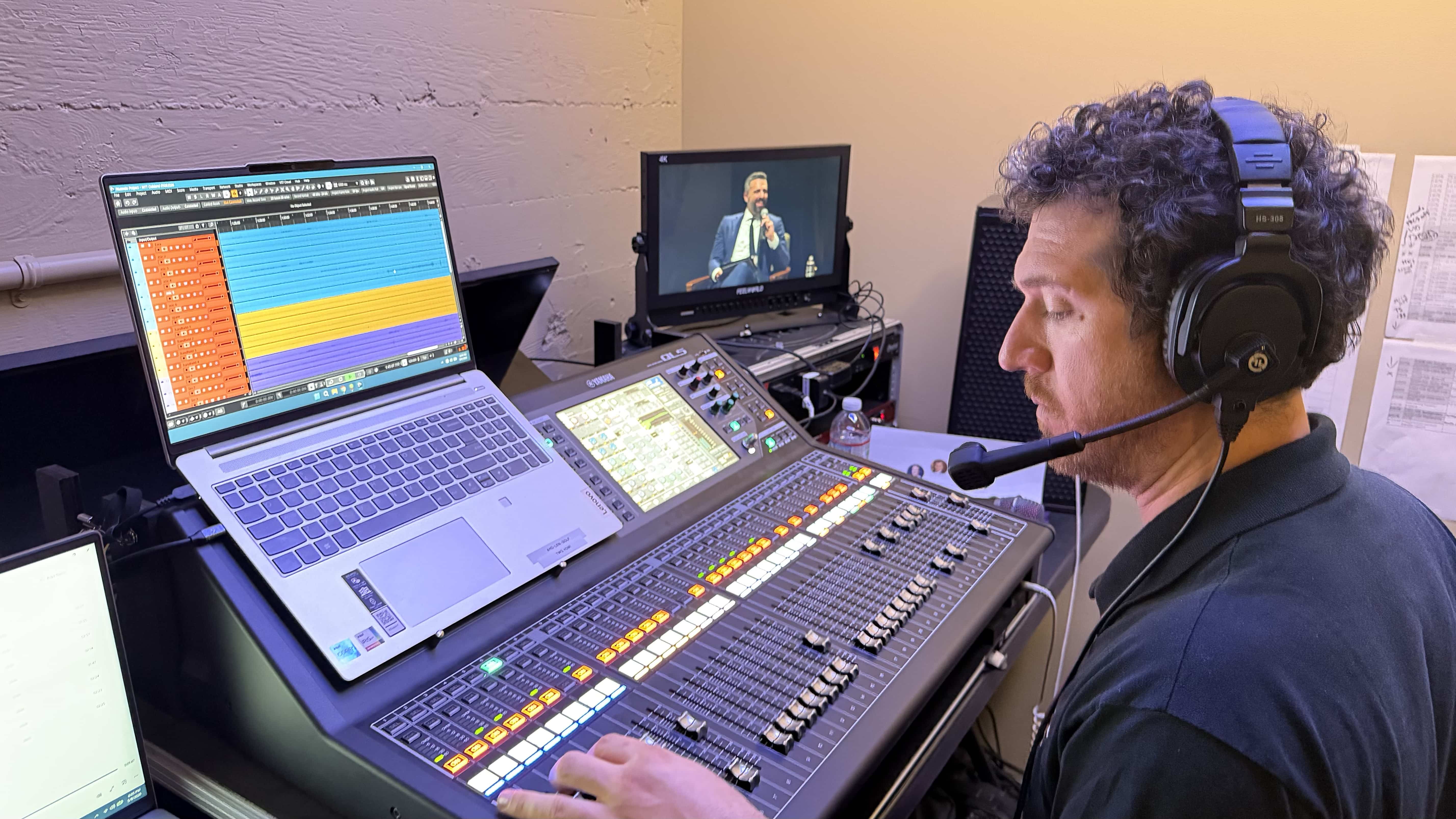
A Yamaha DM7C supported the room while a Yamaha QL5 handled the program mix, allowing each audience to be treated on its own terms.
03 / DELIVERY
Broadcast from the start
Live switching, graphics, streaming and a redundant transmission path were designed into the production—not added at the end.
Inside the room
A small senior team, working at broadcast scale.
Compact did not mean simplified. It meant putting experienced people at the positions where judgment matters: directing, switching, audio, camera control and transmission. The result was a team sized intelligently for the venue but fluent in the standards of much larger live broadcasts.
That experience shows up in the quiet decisions: when to stay wide, when a reaction matters, how to protect the program mix while serving the house, and how to build redundancy without making the workflow cumbersome.
The live change
The audio plan changed close to showtime. The conversation never felt it.
The original plan used podcast microphones. Close to showtime, the production shifted to lavaliers. Argus reworked the signal path, gain structure and mixing approach in time for the live event—without turning the change into a problem for the client, the candidates or the audience.
A speaker timer was also added late in the process. Because the core system and team were built to adapt, both changes were absorbed into the show rather than becoming the show.
Beyond the theatre
The room was full. The audience was much larger.
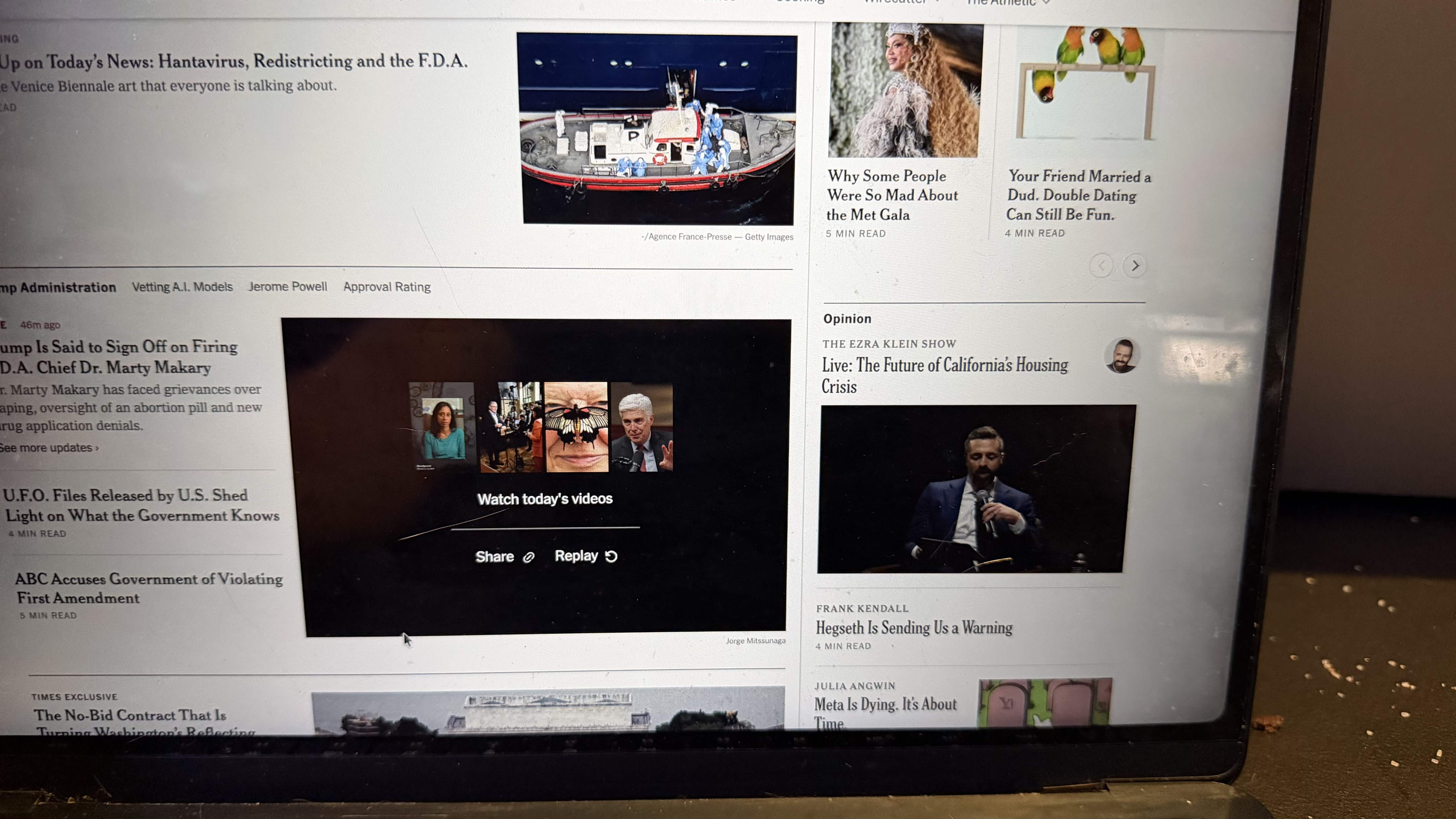
The forum moved through The New York Times’ digital ecosystem as a true live program, supported by switching, graphics and a robust transmission workflow with cellular-bonded backup. That meant the same conversation could reach people in the theatre, on the Times platform and through the live stream without a separate production being rebuilt for each destination.
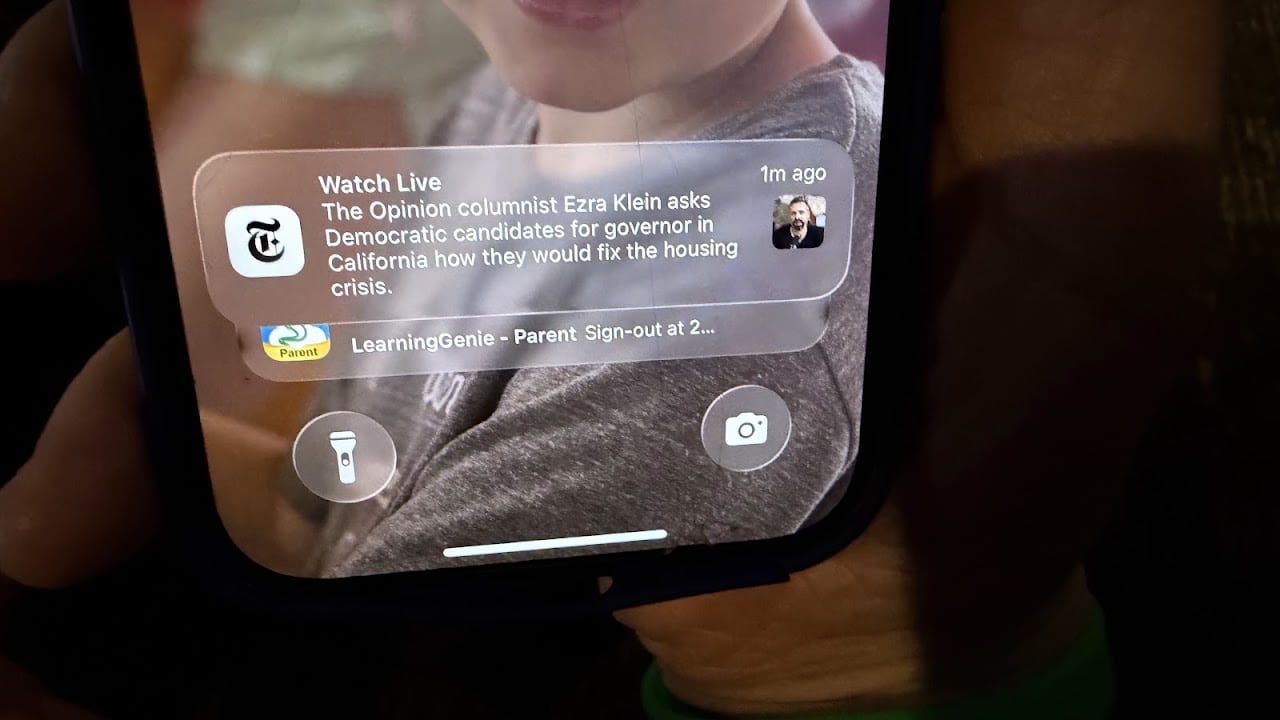
From a stage in Oakland to a national audience.
The notification is a small image of the larger outcome: the event was not simply documented. It was produced as a live editorial moment, ready to meet the audience wherever they were.
Argus handled the technical continuity from cameras and microphones through the program output and distribution path, allowing the New York Times team to stay focused on the journalism.
The result
A live forum that felt present, composed and ready for every audience.
Argus HD delivered the reach and production confidence expected from a major broadcast, with a focused team that could move quickly when the plan changed. The technology served the editorial moment—and then disappeared behind it.
Planning a shoot in the Bay Area? See how Argus HD approaches San Francisco video production company, from a 15-minute scoping call to final delivery.