
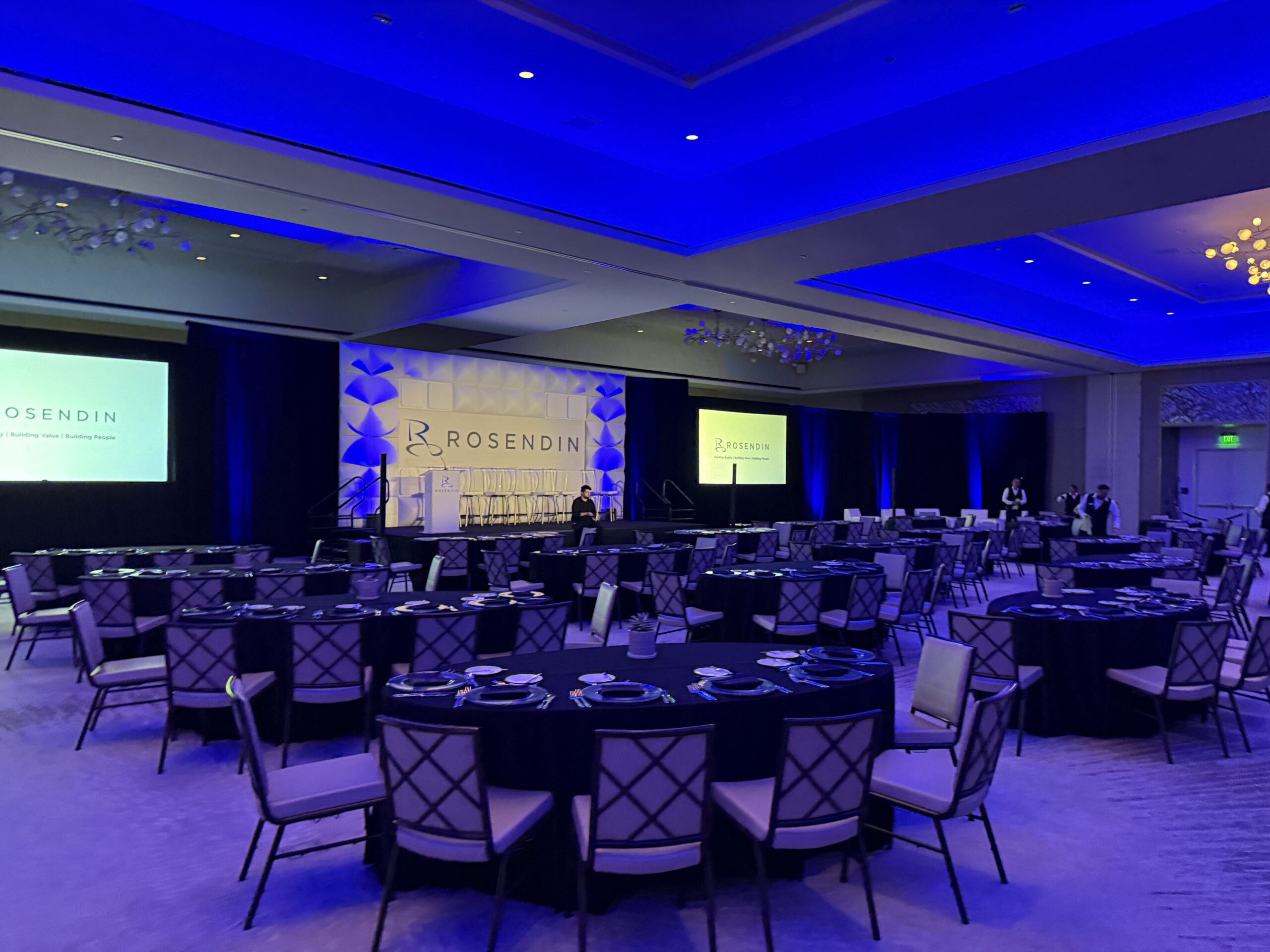
Corporate Events With Cutting-Edge Audio/Visual Technology
A/V technology integration has transformed corporate events into modern productions. Modern corporate events eliminate static podium addresses and fundamental slide-show presentations through full-immersive visual experiences enabled by high-definition presentation quality, clear audio systems, and interactive functions.
A/V technology ensures smooth communication while improving audience engagement and lasting impact on all events, including global conferences, product launches, and internal training seminars. Businesses can use current A/V tool innovations to design memorable events that engage their audiences and successfully convey their main messages.
A Game Changer Technology
People now maintain reduced attention periods during this quick-moving digital period. Audience members seek active participation beyond traditional speeches with slides. Implementing advanced audiovisual technology enables organizations to convey their messages through captivating presentations, strengthening event audience relationships.
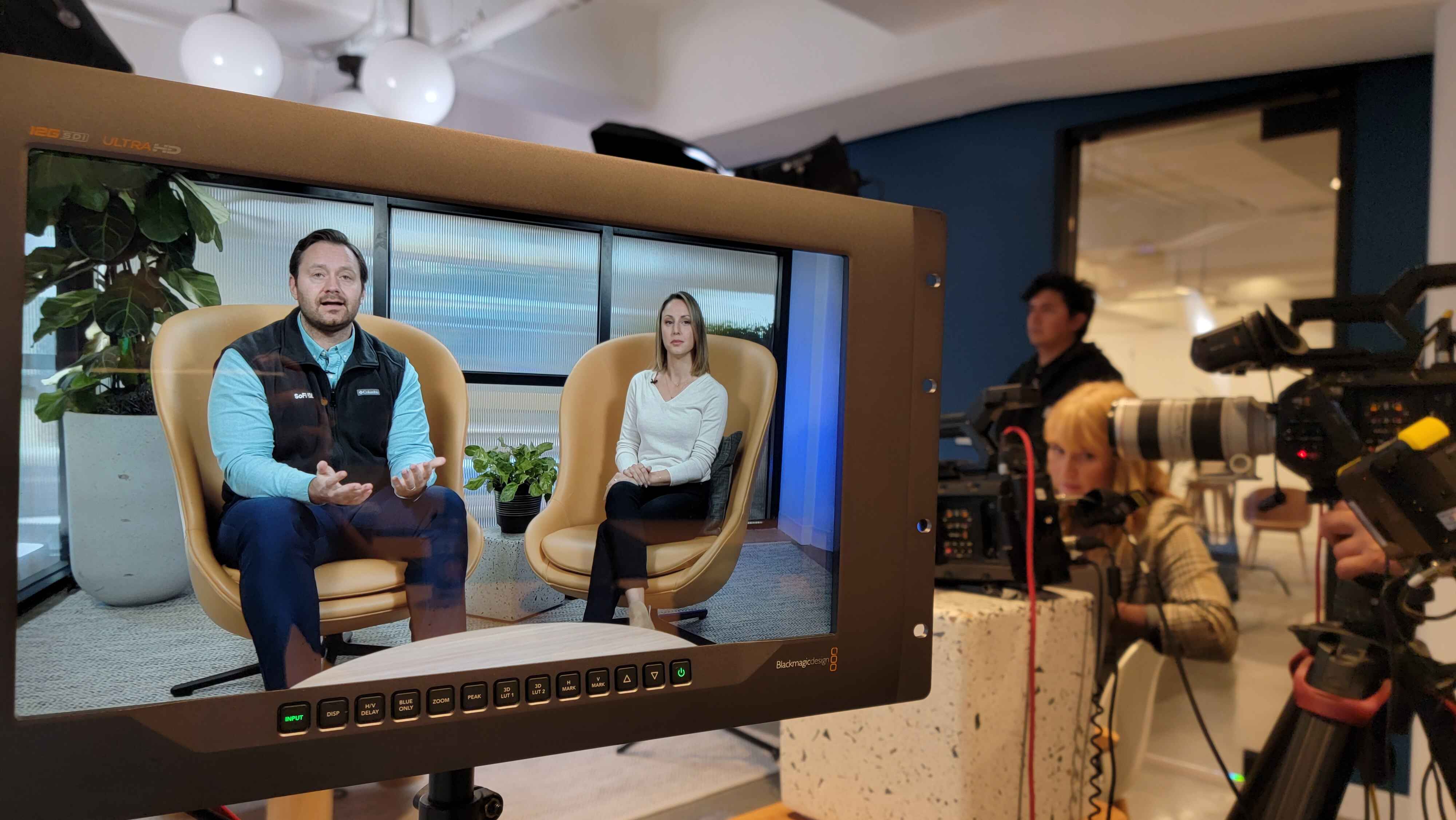
Through technological advancements, companies can boost accessibility by letting worldwide audiences connect through live streaming, virtual reality platforms, and additional digital platforms. The 2025 ISE event gathered 1,600 participating companies while expecting a 20% growth in attendance from the previous year, demonstrating rising interest in advanced A/V solutions. The inclusive strategy expands business communication capabilities because organizations can deliver their messages successfully to diverse audience groups and international markets.
Top A/V Technologies Changing Corporate Events
4K and 8K Ultra-HD Displays
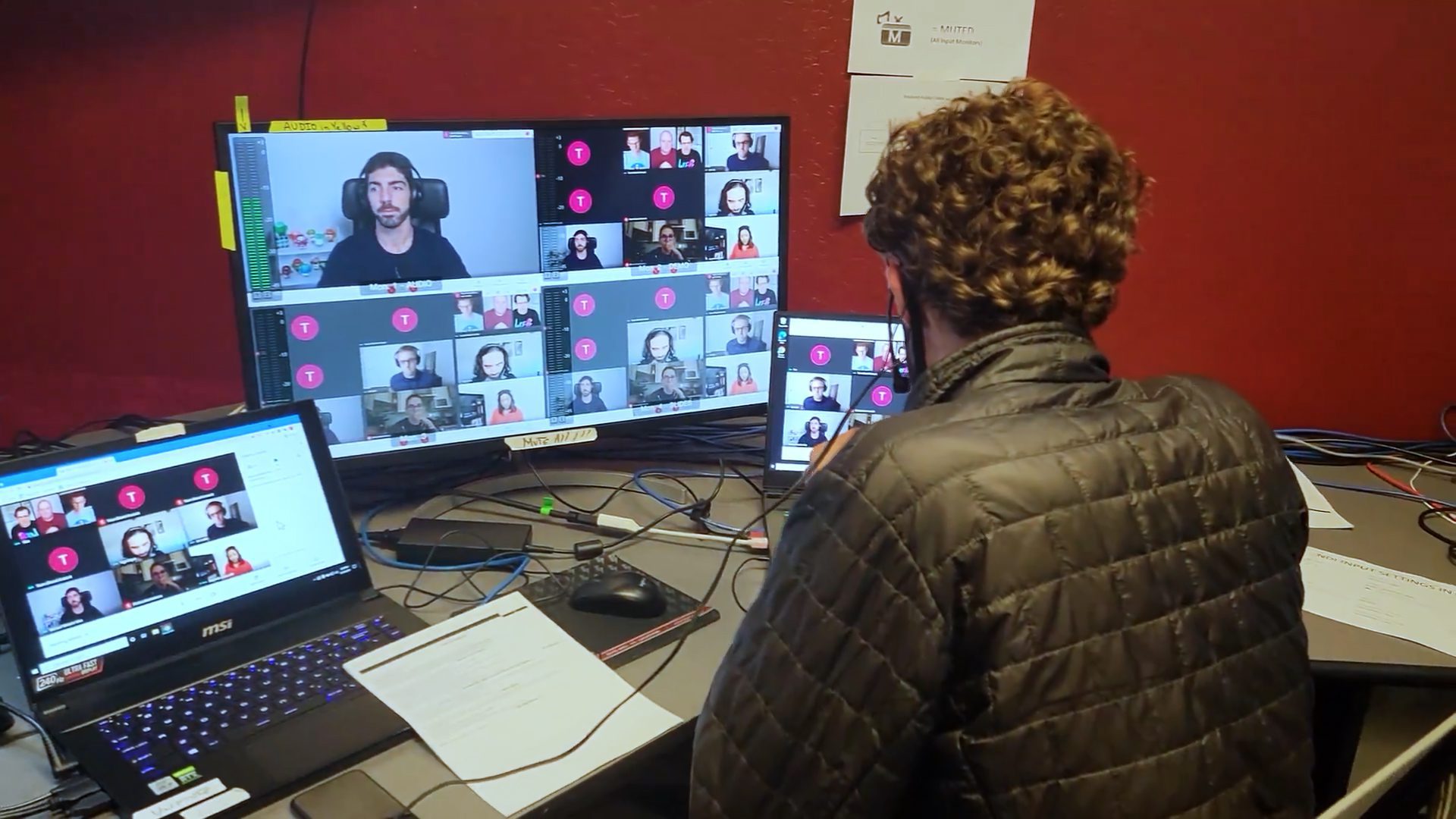
The current display standards have eliminated pixelated projected images along with low-resolution screens. In contrast, ultra-high-definition 4K and 8K display technologies deliver perfect image clarity to showcase every detail in presentations and videos. The high-definition screens create exceptional visual quality and deliver an upscale presentation appearance that makes audiences perceive brands more positively.
Projection-Mapping
A ballroom can become an underwater wonderland through projection technology, while dynamic city sceneries can appear on stage surfaces. Through projection mapping technology, any surface can become a digital artwork that delivers spectacular visual effects to events. Through the application of this technology, event organizers produce memorable visual experiences that mesmerize their audience during product launches, branding presentations, and storytelling sequences.
Holographic Presentations
A CEO or industry leader should not limit presentations to standard keynotes because holographic technology allows for their virtual appearance. Through holographic technology, speakers can offer real-time remote presentations that display three-dimensional projections on stage. The sector dedicated to professional audio-visual systems shows rising market expansion. The industry holds an estimated USD 295.18 billion for 2025, yet analysts predict it will rise to USD 370.49 billion by 2030, representing a 4.65% compound annual growth rate. The future-oriented feature delivers a striking visual effect that permits significant speakers to interact remotely without physical attendance.
Virtual Reality (VR) and Augmented Reality (AR)
Through VR and AR technology, attendees can have deep immersive engagements that enable them to interact with products and concepts in novel ways. Companies can now let guests experience virtual test drives of new car models while architecture firms demonstrate interactive 3D blueprints to their audiences. Organizations build stronger connections with their audience through modern technologies while creating memorable experiences.
Interactive LED Walls
The latest large LED wall technology developments surpass their common role in corporate events. Interactive LED screens enable audience members to interact with content by using touch functions, motion detectors, and voice commands. Active presentations transform into engaging interactive events that let viewers explore content according to speed.
AI-Powered Presentation Assistance
Corporate events enter an intelligent phase due to artificial intelligence implementation. AI-driven speech recognition tools generate real-time subtitles so multilingual audiences can have better accessibility. Event attendees can use AI-powered assistants and chatbots to navigate schedules, receive FAQ answers, and receive personalized suggestions for particular sessions.
Benefits of Integrating Advanced A/V Technology into Corporate Events
1. Increased Engagement and Retention
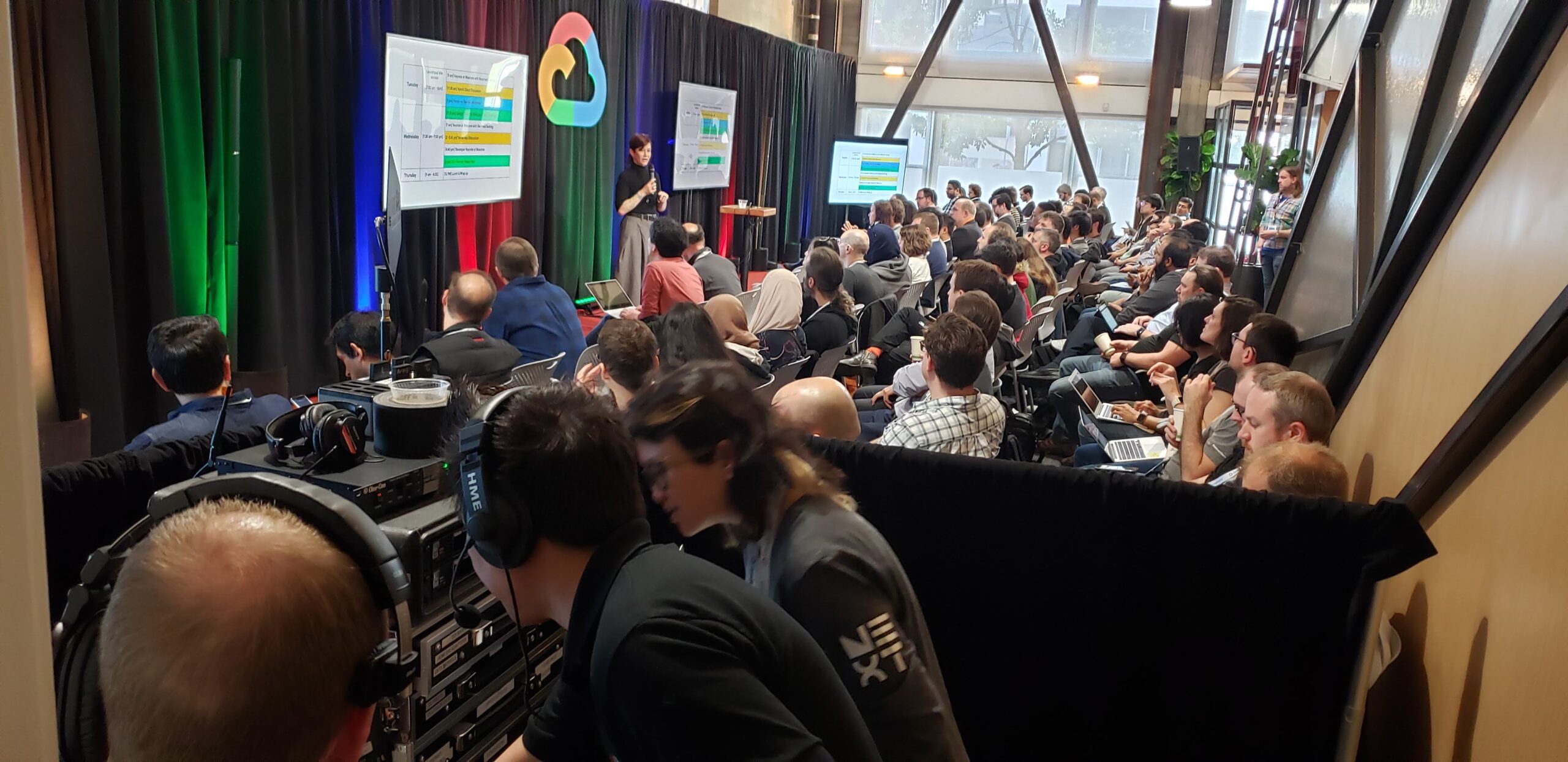
Human beings tend to remember what they experience rather than what they hear during verbal presentations. Immersive A/V technology converts information into memorable experiences that people can better retain. Audiences retain more information from interactive presentations, holograms, and virtual reality simulations rather than standard slides.
2. Higher Audience Interaction
Advanced technological solutions in corporate events shift the focus from bystander behavior to active participant involvement. Live polls, real-time social media integration, and interactive Q&A functions allow event participants to engage in dialogues, boosting their involvement levels.
3. Enhanced Brand Image
Modern technology integration during business occasions helps companies demonstrate their innovative approach to future thinking. Companies who use modern technology to enhance their brand image gain access to superior talent and deals and loyal customers who seek technology leadership.
4. Better Data Collection and Analytics
Using contemporary A/V technology delivers improved audience engagement and beneficial data collection capabilities. Through digital tools, including interactive screens and apps, companies acquire measurable information that helps them develop enhanced future events and marketing plans.
5. Sustainability and Cost Savings
The digital transformation eliminates the requirement for printed materials and reduces travel costs and venue expenses to create sustainable and cost-efficient corporate events. Hybrid event formats that unite virtual and face-to-face engagement enable businesses to boost their audience reach without raising costs for logistics support.
Best Practices for A/V Technology
A successful event depends entirely on following the industry standards for A/V technology practices. Event success depends on experienced A/V technicians and high-quality equipment, while backup solutions must be ready and rehearsals performed before the event starts. The setup efficiency depends on appropriate cable organization, steady internet connections, and eliminating excess objects from presentation areas.
A/V Equipment Troubleshooting Guide
Technical breakdowns will emerge without warning while events are in progress. A well-developed troubleshooting guide helps prevent operational interruptions, thus maintaining event continuity. The most typical A/V problems encompass microphone feedback, connectivity issues, and display system malfunctions. Technological issues can be resolved efficiently through prepared cables and equipment testing and by hiring a technical support team to remain present at the event location. Preventing sudden interruptions occurs through basic projector reset knowledge, proper sound adjustment, and device reconnection capabilities.
Tips for Using Audio/Visual Technology
A/V equipment maintenance is essential for longevity and the A/Voidance of technical breakdowns. Equipment lifespans are extended when operators conduct regular lens cleanups, inspect cables for breakdowns, and run software updates while keeping equipment in controlled storage areas. Regular maintenance appointments with professional A/V technicians allow you to find and fix potential problems that could disrupt an upcoming event.
Conclusion
The success of corporate events depends on state-of-the-art Audio/Visual technology, which produces engaging events that captivate audiences. The various parts of A/V technology contribute to event success because they cover equipment selection, system optimization, system troubleshooting, and system maintenance. Organizations achieve successful and memorable corporate events using best practices and keeping up with A/V technology updates.
Planning a shoot in the Bay Area? See how Argus HD approaches San Francisco video production company, from a 15-minute scoping call to final delivery.