Where to Deploy AI Video Synthesis in Production?
Quick Summary
AI video synthesis helps businesses create videos quickly and at a lower cost. It supports marketing, training, media, healthcare, and e-commerce. This technology improves production speed, ensures visual consistency, and enables scalable content creation.
Introduction
AI video synthesis is reshaping the way businesses produce and deliver video content. It helps teams work faster, reduce costs, and maintain steady quality.

Many sectors now apply this technology in live production, not only in trial projects. From marketing to healthcare, usage continues to rise daily.
In this blog, we explain what AI video synthesis means and why it matters. We cover where it is used, key challenges, and legal concerns. We also share best practices and their future impact across modern industries.
What is AI Video Synthesis?
AI video synthesis uses artificial intelligence to create or edit videos automatically. It can make human avatars, voiceovers, animations, and full scenes from text or data. Smart models study visuals, sound, and movement.
This helps videos look natural and real. It reduces manual editing work. Production becomes faster, easier, and more scalable. Businesses use it to create personalized video content.
Why Use AI Video Synthesis in Production?
AI video synthesis helps organizations create content faster while reducing production expenses. It supports video creation without relying on big teams or studios.

Changes can be made quickly when information updates. It also delivers personalization at scale, increasing audience connection.
AI video technology delivers consistent quality and fast content creation. It strengthens automated production workflows across global digital industries.
Key Production Deployment Areas for AI Video Synthesis
Below are key industries using AI video synthesis to enhance efficiency and content output.
-
In Marketing and Advertising
Brands rely on AI video synthesis for faster marketing results. It powers ads, explainers, and personalized video campaigns. Content is reused in multiple languages and layouts. Updates happen without new recordings.

This improves efficiency and control. Marketing teams work faster and reduce costs. They use data-driven strategies across digital platforms. This supports growth, branding, engagement, and long-term success.
-
In Training and E-Learning
AI video synthesis makes training and e-learning simple and scalable. Businesses use it for staff onboarding, policy training, and skill building. AI presenters explain lessons clearly and stay consistent.

Updates are fast and cost-effective. This method reduces manual work and makes lessons easier to understand. It ensures the same learning quality for all teams and learners across digital platforms.
-
In Entertainment and Film
The entertainment and film industry uses AI video synthesis for visual effects, dubbing, and scene enhancement. AI can generate background characters or adjust facial expressions.
By matching speech and lip movements, AI improves localization. Teams spend less time in post-production. Creators can experiment confidently while staying organized and meeting production plans on time consistently.
-
In Customer Support and Services
AI video synthesis helps customer support teams work better. It creates automated video replies for common questions. AI avatars explain products, policies, and fixes clearly. Videos feel more engaging than text messages.

They work day and night without breaks. This reduces support pressure. Personalized video helps improve user experience and builds stronger trust in service-focused businesses across many industries.
-
In Virtual and Augmented Reality
AI video synthesis is widely used in VR and AR production workflows. It generates realistic spaces, avatars, and natural interactions. This improves immersion for users.
It works well for training simulations, virtual tours, and interactive content. Faster creation speeds up development and reduces manual work. It helps teams experiment, update, and scale VR and AR experiences easily and efficiently.
-
In Healthcare and Medical Media
Within healthcare, AI video synthesis is used for patient guidance, clinical training, and awareness efforts. Hospitals rely on AI to create easy videos for procedures and treatments.

Medical concepts become easier through visual explanations. AI also enables multilingual messaging. This helps patients understand medical information clearly. It reduces errors and supports accurate, reliable care delivery.
-
In E-Commerce and Product Videos
Online retailers use AI video synthesis to produce product videos in large volumes. AI creates demos, highlights features, and offers personalized suggestions. This cuts high filming costs.

Businesses update videos quickly when prices or features shift. Strong visuals improve product clarity and build buyer trust. They also help increase conversions across digital commerce platforms.
-
In News and Media Publishing
News publishers use AI video synthesis to automate summaries and explain complex stories clearly. AI presenters share breaking updates fast. This reduces production pressure. It supports quick localization for global audiences.
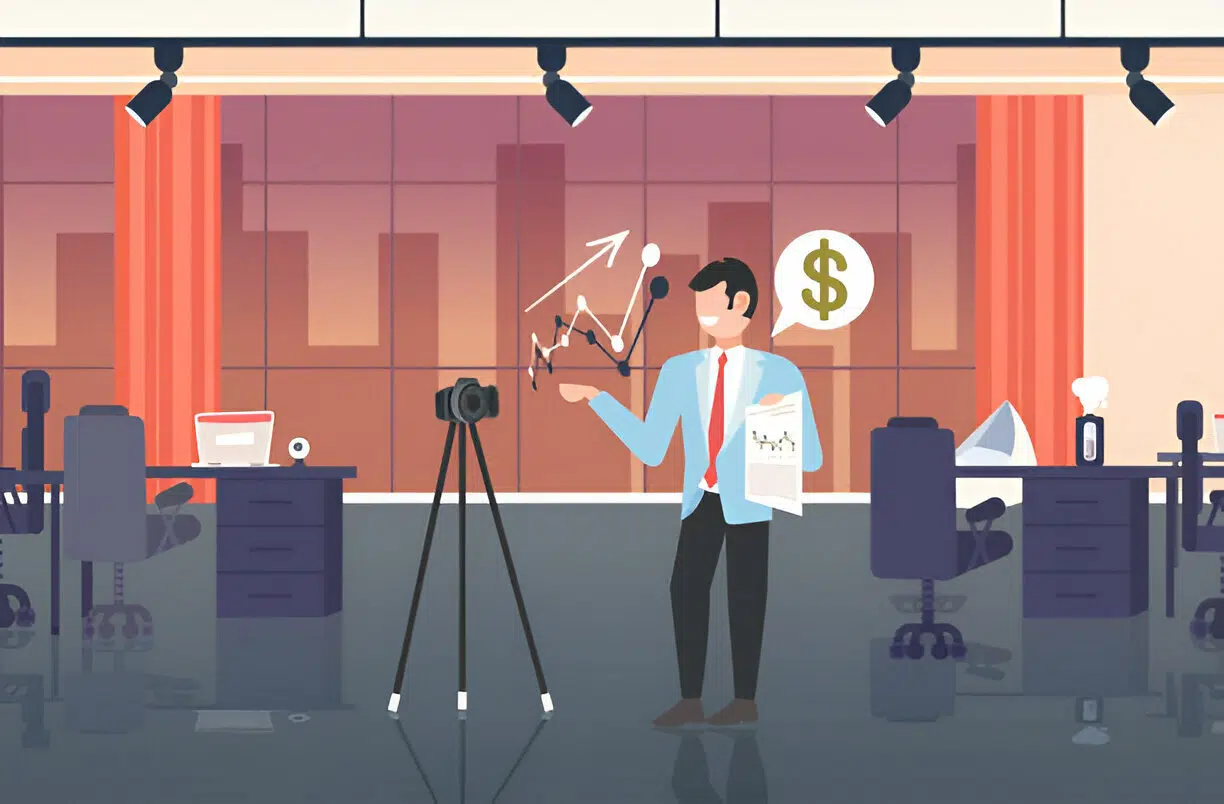
Accessibility becomes easier with visual and audio support. AI-driven media creation ensures consistent quality and reliable content delivery. It also integrates smoothly into modern digital newsroom workflows.
Technical Challenges in Production Deployment
Implementing AI video synthesis in real environments requires planning. Key challenges must be controlled for dependable output.

- High system resource usage can impact budgets.
- Video results may vary by device or channel.
- Merging AI tools with current workflows can be complex.
- Latency may disrupt live video generation.
- Security and reliability must be maintained as usage grows.
Ethical and Legal Considerations
Ethical and legal issues are critical when using AI video synthesis in production.
-
Consent and Identity Rights
AI-generated videos must respect individual consent. Using real faces or voices without permission can cause legal issues. Clear authorization is required before creating synthetic representations.
-
Deepfake and Misuse Risks
AI video synthesis may create false or deceptive videos if misused. Businesses should prevent this risk. Strong policies and use help safeguard reputation and keep audience trust intact.
-
Copyright and Ownership
AI-made video ownership is often confusing. Businesses should clearly define who owns visuals, voices, and scripts. Proper licensing agreements reduce risk and prevent future legal disputes.
-
Data Privacy Compliance
Personal data is often used in AI video creation. Legal compliance is necessary. Proper data security lowers compliance risks, avoids trouble, and protects business image when deploying AI video systems.
Best Practices for Production Deployment
Following best practices helps ensure successful AI video synthesis deployment.

-
Define Clear Use Cases
Organizations should identify specific production goals. Clear use cases help select the right AI video tools and workflows.
-
Maintain Human Oversight
Quality control requires human involvement. Editors need to review content for accuracy, tone alignment, and visual consistency.
-
Invest in Quality Data
Accurate and diverse training data enhances AI video realism. Clean datasets lead to improved and consistent results.
-
Ensure Scalable Infrastructure
A dependable infrastructure is essential for production. Scalable systems ensure videos scale without technical issues.
-
Establish Governance Policies
Clear governance policies manage ethical compliance. They reduce operational risks and help maintain a strong brand image.
Future of AI Video Synthesis in Production
The future of production will be shaped by AI video synthesis. Visual results will look more lifelike and polished. Tools will be open to more users. Real-time video creation will become faster and smarter.

Personalization will improve viewer engagement. AI will support virtual production and immersive experiences. Gradually, businesses across industries will adopt AI video as a core production standard workflow system.
Conclusion
AI video synthesis is becoming important in modern production. It helps create content quickly and lowers production expenses. It also supports personalization on a large scale.
Industries such as marketing, e-learning, healthcare, and media adopt it widely. Usage continues to expand. At the same time, technical barriers, ethical concerns, and legal obligations must be addressed carefully.
With practices and responsible deployment, organizations can use AI solutions and remain competitive.
FAQs
How long does it take to generate a video using AI tools?
It usually takes a few minutes to a few hours. Time depends on video length and complexity.
Can AI videos be edited manually after generation?
Yes, AI videos can be edited like normal videos. You can adjust visuals, audio, and timing.
How does AI video synthesis handle facial expression accuracy?
AI uses trained models to match expressions with speech. Accuracy improves with high-quality data.
Can AI video synthesis help maintain visual consistency over time?
Yes, it keeps the same style, avatar, and tone. This ensures consistent branding across videos.
What metrics should be used to measure AI video performance?
Key metrics include engagement rate, watch time, completion rate, and conversion impact.