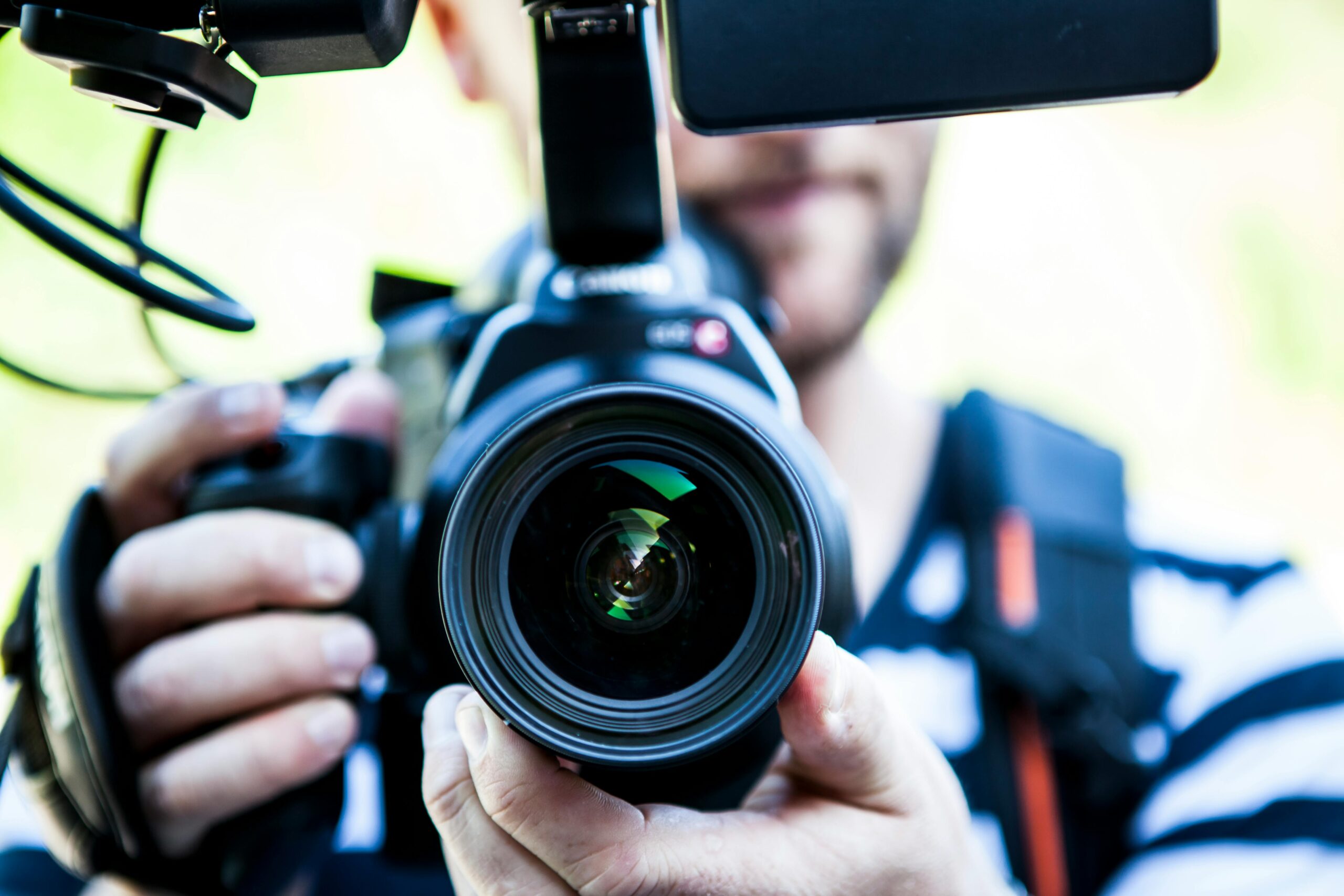
What is Rack Focus in Video Production?
Summary
In rack focus, the camera shifts focus between subjects in the same shot. It guides the viewer’s eye naturally. This technique adds depth, emotion, and style. With skill and the right tools, it creates cinematic and visually striking videos.
Introduction
Video production uses many creative techniques to make stories stronger. One of them is rack focus. Though it seems easy, rack focus works strongly. It shifts focus and guides viewers without breaking the scene.
It can change emotions and highlight details. Every filmmaker should know this skill. This blog will teach you about rack focus. We will show what it means, why it’s important, how it functions, and where it is used in videos and films.
Understanding Rack Focus
Rack focus is a cinematic technique. It switches focus between foreground and background within a shot. First, the foreground is sharp and the background blurry. Then the focus changes, making the background clearly visible.

This directs the audience’s eyes naturally. It’s also called focus pulling because the focus puller changes the lens focus by hand during filming.
Importance of Rack Focus in Video Production
Rack focus is useful for showing viewers what matters. A scene can have several elements, but not all are important together. Changing focus highlights the main subject. It also creates tension, emotion, and drama.
Even a small shift can reveal secrets, show connections, or emphasize items. This makes the scene visually professional and more engaging, helping the audience notice key details naturally.
History of Rack Focus in Filmmaking
For decades, rack focus has been a key filmmaking technique. Early cameras were bulky, and changing focus required skill. Directors used it to show unseen details or create surprises.

With technology, rack focus became easier. It now appears in romantic films, dramas, thrillers, and music videos. Directors use it to guide attention and evoke emotion. This classic method still enriches storytelling and keeps viewers engaged.
How Does Rack Focus Work?
Rack focus is a camera technique where focus moves between subjects. The focus puller adjusts the lens during the shot. One subject is clear while the other blurs. This guides the viewer naturally.
Fast focus shifts create excitement and tension. Slow shifts give a gentle, emotional feeling. A lot of people use it to influence what the audience sees. Rack focus makes stories better and draws attention to crucial parts of a scene.
Equipment Needed for Rack Focus
You need the correct tools to get a rack focus. This makes sure that the products are of good quality and that the transitions are smooth.

-
Manual Focus Lens
A manual focus lens is important. Autofocus can shift focus unexpectedly. This may spoil your shot. Manual focus gives full control over every frame.
-
Follow Focus System
A follow focus system attaches to the lens. It helps the focus puller turn the lens ring smoothly. It also allows precise focus changes.
-
Focus Marks
Many filmmakers mark focus points on the lens or follow the focus wheel. These marks guide the puller to hit the exact distance during a scene.
-
Tripod or Camera Support
To get the best rack focus, keep the camera steady. Tripods or gimbals make the focus shift look clean and professional.
When to Use Rack Focus
Rack focus adds value when it supports the story. It should be used carefully and thoughtfully every time.
-
Conversations Between Characters
In a shared frame, focus can shift between characters. It emphasizes who is speaking or reacting and directs the audience’s attention naturally.
-
Revealing Details
The focus often shifts from a face to a held object. This technique links the person and the item, creating a clear visual connection.
-
Creating Suspense
Horror scenes often use rack focus to move from the main subject to something scary behind. It creates tension and heightens excitement.
-
Building Emotional Depth
A slow rack focus shift captures emotions clearly. Moving from happiness to sadness highlights the true feeling and makes the moment more powerful.
-
Transition Between Ideas
Sometimes, rack focus connects two subjects in the same frame. It shows how they are linked in the story without cutting the scene.
Rack Focus in Storytelling
In films, storytelling is essential, and rack focus adds depth. It shows importance, change, or emotion in a scene. Shifting focus between characters can signal power changes.
Moving from a face to an object highlights links. Directors guide the audience’s gaze to convey meaning. This technique communicates without dialogue. It adds emotion and draws the audience in.
Common Examples in Movies and TV Shows
Rack focus appears often in movies and TV shows. In thrillers, it reveals hidden dangers or clues. In romance, it highlights character connections. Action scenes guide viewers from hero to threat.
TV dramas use it to show important details. Commercials shift focus to products. Across genres, rack focus adds style and cinematic depth to storytelling.
Advantages of Rack Focus in Video Production
Rack focus offers many benefits for video production. It makes scenes engaging without cuts. This makes everything more professional and deep. It lets filmmakers say more with fewer shots.
- Smoothly directs the audience’s focus.
- The scene evokes feelings and drama.
- It enhances the professional and cinematic appearance of a movie.
- Using multiple focuses in one shot saves effort.
- It suits various genres, including romance and suspense.
- It enhances creativity and makes storytelling flexible.
Challenges of Rack Focus
Rack concentration has its pros and cons, though. To look professional, you need to be precise and skilled.
- The focus needs to be sharp and right, otherwise the shot appears weak.
- Timing is really important, it has to fit with the story.
- A small depth of field can make focusing tricky.
- Dim light adds extra challenges.
- Practice and patience are needed to succeed.
Key Tips for Perfect Rack Focus Shots
If you do it well, rack focus might seem smooth and strong. Because planning and practice are very important.
- Rehearse the shot before recording to avoid mistakes.
- Mark focuses on points to ensure accuracy.
- Keep your camera stable for seamless transitions.
- Set the speed to match emotions.
- Apply rack focus only if it adds to the story.
- Frequent practice improves precision.
Rack Focus in Modern Video Production
People use rack focus a lot in movies, commercials, music videos, and on social media. Creative shots are common on Instagram and TikTok. Technology has made it simple.
Both cameras and smartphones support manual focus shifts. Beginners can try it easily. It’s no longer limited to major film productions. Rack focus remains a key technique to direct attention and boost emotional depth in scenes.
Conclusion
Rack focus is a classic filmmaking technique. It shifts focus between subjects in one shot. This method guides viewers’ eyes and adds emotion. From old movies to modern social media, it inspires creators.
It needs practice and precision to do well. The effort is worth it because it strengthens storytelling. Mastering rack focus makes videos look cinematic and professional and keeps audiences engaged throughout.
FAQs
Is there any difference between rack focus and focus pull?
Rack focus is the effect seen on screen. Focus pull is the action of shifting the lens focus.
What role does depth of field play in achieving rack focus?
A shallow depth of field makes rack focus more dramatic but harder to control.
Can a rack focus be done in one take?
Yes, rack focus is usually done in one smooth take with careful practice.
What are the common errors to avoid when using rack focus?
Avoid shaky cameras, missed focus points, and shifting focus too quickly or too slowly.
Is using rack focus the same as moving the camera?
No, rack focus changes lens focus only. Camera angles involve moving or repositioning the camera.