What is DP in Video Production?
Summary
DP means Director of Photography. They manage lighting and camera work on set. They work with the director to match the visual tone. A great DP knows how to tell a story through images. Their skills make each shot look clear, emotional, and well-planned.
Introduction
Beginners often get confused by video terms. One of them is DP, and it means Director of Photography. The DP plays a key role in any film or video shoot. They control how the video looks. They plan camera shots, lighting, and visuals.
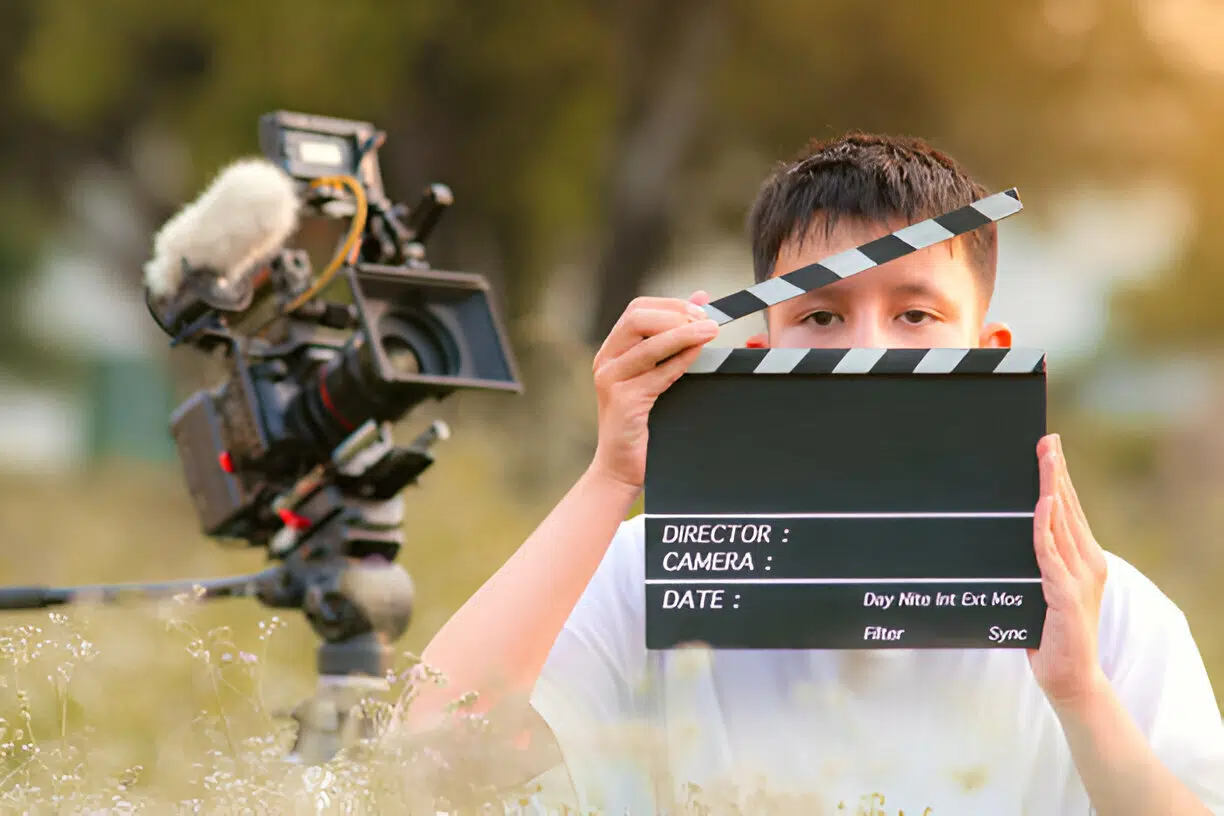
The director and DP work side by side. They help tell the story visually. This blog will show what a DP does and how they help create stunning and effective video content.
Meaning of DP in Film and Video
The term DP is common in movies, TV shows, and video shoots. DP and Cinematographer usually mean the same. The DP handles the visual style of the video.

It’s not only about holding a camera. They plan every shot and choose the right lenses. Lighting is also their job. Everything they do behind the scenes affects each frame you see.
What Does a Director of Photography Do?
The Director of Photography has many important tasks.
-
Planning the Look
The director and DP meet before the shoot. They decide if the mood is warm, sad, bright, or serious. Then the DP plans lighting, lenses, and camera moves.
-
Choosing the Right Equipment
The right lenses and camera are chosen by the DP. Some cameras work better in dark scenes. Others give a sharp or soft look. The DP picks what fits best.
-
Lighting the Scene
To set the mood, lighting matters. The DP handles this with great care. Bright scenes feel happy. Dark ones feel tense. The DP uses natural or artificial light as needed.
-
Guiding the Camera Crew
During shooting, the DP takes charge. The gaffer takes care of lighting. The grip handles gear. The DP ensures everyone works together to achieve the right visual look.
The Role of the DP in Pre-Production
Before shooting starts, the DP decides the visual tone in pre-production. They visit locations to study light and space. They decide on lighting needs and test cameras and lenses.
The DP also creates a shot list or storyboard. This shows how each scene should look. A proper plan before filming helps a lot. It cuts extra costs and keeps the shoot visually smooth and consistent.
The DP and the Director: A Close Working Relationship
The DP and the Director work closely on every project. The director handles the story. The DP focuses on how it looks. They must understand each other well. The director shares the mood or action.
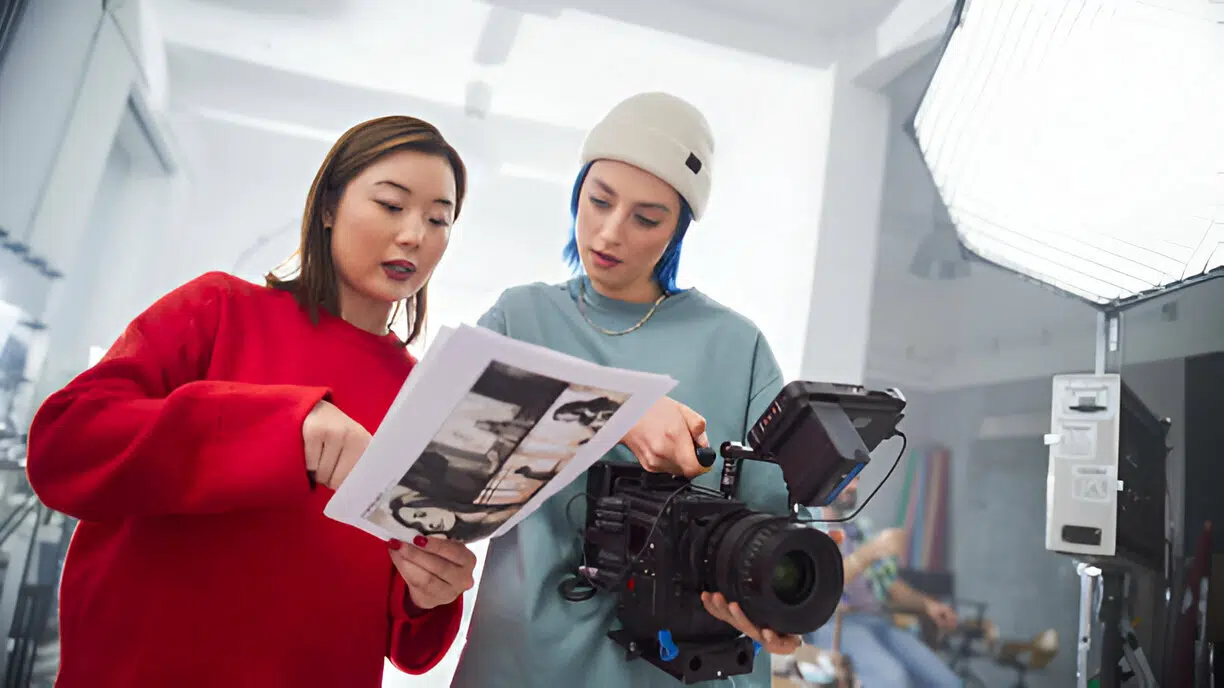
The DP captures it with the right visuals. Their teamwork is key. When this bond breaks, quality drops fast. They succeed by trusting each other and keeping ideas flowing openly.
Key Skills Every DP Should Have
To shape the visual style, a DP needs skills in both art and tech. That’s how they serve the director’s vision.
- Camera knowledge
- Lighting skills
- Visual storytelling
- Team leadership
- Attention to detail
- Problem-solving
- Color sense
- Communication
- Creative eye
- Time management
Common Tools Used by a DP

-
Camera and Lenses
The look of a shot depends on the lens. Wide lenses show more of the world. Close-up lenses show emotion and detail. A skilled DP blends both to shape the visual story.
-
Lighting Gear
Managing light is part of the DP’s job. They use softboxes, lights, and reflectors. These tools reduce harsh shadows and brighten scenes. The DP adjusts settings based on location and mood.
-
Color Grading Software
Once the shoot is done, the DP teams up with a colorist. They work on color grading during editing. This process adjusts tones and shades. It makes the final video look clean and professional.
Examples of DP Work in Action
-
Music Videos
In every music video, energy matters. The DP adds that with lights and movement. Scenes move fast to match the beat. The goal is to make the video feel as alive as the song.
-
Commercials
In ads, the DP helps highlight products or services. They make sure everything looks attractive and clear. Lighting and framing must be perfect in a short time.
-
Films and Web Series
To support the story, the DP focuses on lighting. They shift tones from scene to scene. This shows emotion and tension. Their choices help bring the drama to life in every frame.
How Does the DP Affect the Final Look of a Video?
The Director of Photography shapes how a video feels. Behind every moving scene is a thoughtful DP. They pick perfect angles, lighting, and color tones. These choices set the emotional tone.
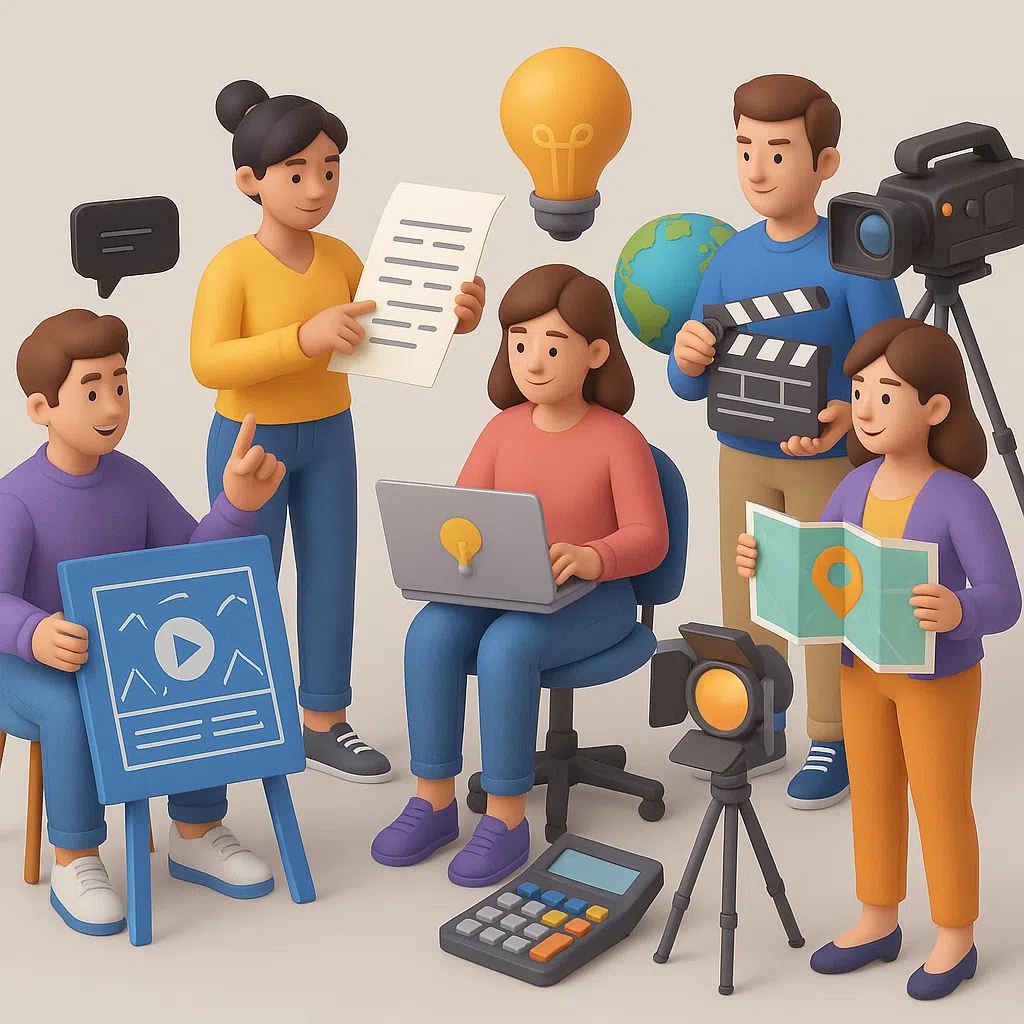
The viewer feels the depth in every shot. A handheld shot feels real. A still shot feels calm. Light and color match the scene’s mood. Every detail matters. The DP’s small decisions create a strong and beautiful visual experience.
The DP’s Team on Set
The Director of Photography is not alone. They lead a team that helps them carry out the visual plan. Everyone on the team has value. They support the DP’s vision by doing their part with care and skill.
This team usually includes:
- Camera Operator: Following the DP’s lead, the camera operator handles all camera movements.
- Gaffer: Lighting is set up by the gaffer. They follow the DP’s lighting design.
- Grip: This person supports by setting up rigs and helping with lights or cameras.
- Focus Puller: The focus puller, also called 1st AC. They keep the image sharp by adjusting focus during the shoot.
How to Become a Director of Photography?
To become a DP, start with the basics. With time and effort, you’ll grow into the role of a great DP.
- Learn how cameras work.
- Practice shooting often.
- Study light and composition.
- Watch great films closely.
- Help out on real sets.
- Build a reel with your best shots.
- Work well with directors.
- Know the latest tools.
- Stay creative. Stay curious. Test new ideas often.
Why is the DP Important in Video Production?
The DP is the visual storyteller on set. They turn the director’s vision into strong images. A good DP makes videos look polished and emotional. Their work keeps viewers engaged.
A DP shapes how a video feels. Without one, content seems lifeless. In ads, they help the brand stand out visually. In films, they bring scenes to life. Their work is unseen but always felt by the audience.
Conclusion
The Director of Photography is key in video production. They do more than shoot. They shape the look and emotion of each scene. From picking cameras to setting lights, they guide every step.
They also lead the crew and support post-production. A skilled DP makes your video stand out. They turn ideas into strong visuals. Their creative touch brings your story to life with style, beauty, and purpose.
FAQs
Is DP the same as cinematographer?
Yes, DP and cinematographer usually mean the same thing. Both handle the visual side of filming.
What is the average salary of a DP?
A DP can earn between $9 to 25$. It depends on experience and project type.
How is a DP different from a camera operator?
The DP plans the visuals and leads the camera team. The camera operator follows the DP’s directions.
Can you be a DP without film school?
Yes, many DPs learn on the job. A degree is less important than experience and creativity.
What kind of shots does a DP plan?
The DP maps out all camera shots. Each angle, wide or close, helps deliver the right mood and message.