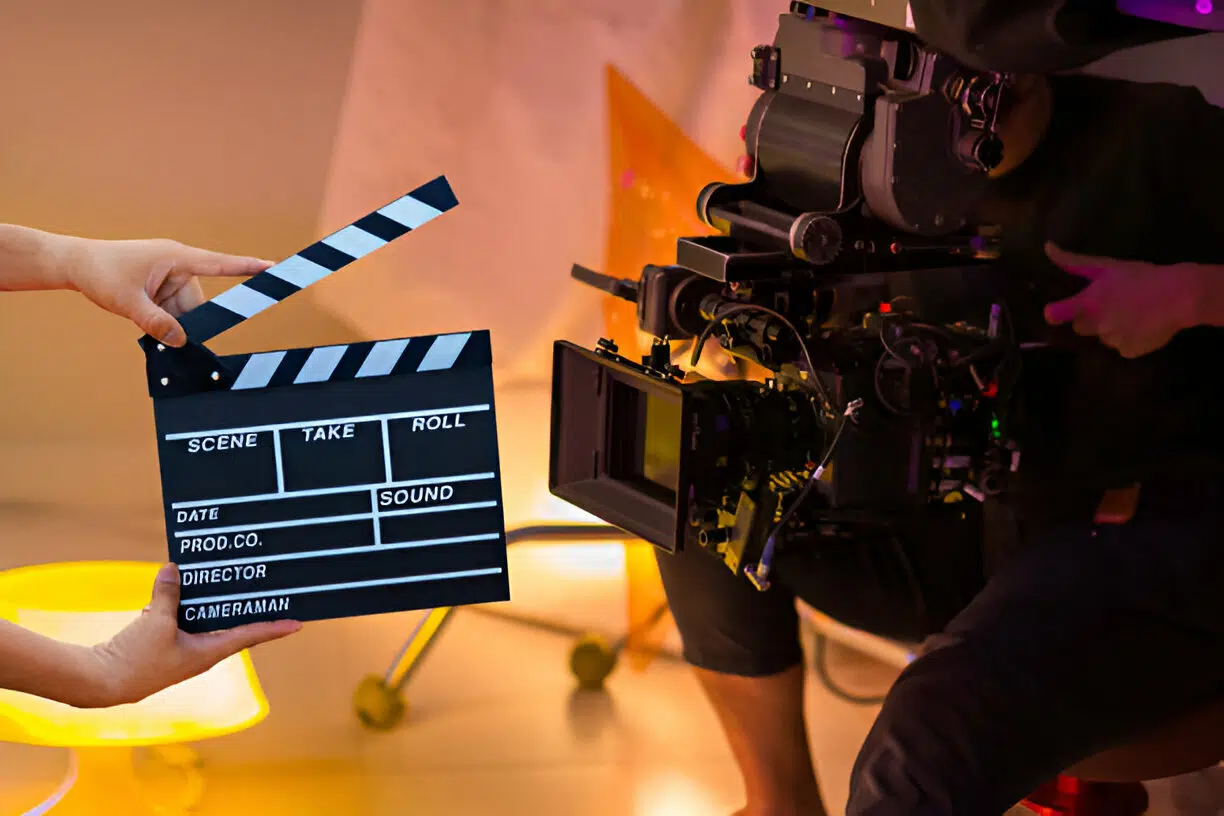
What is Audio Video Production?
Summary
Making material with sound and graphics is called audio video production. The process starts with planning, moves to recording, and ends with editing and sharing. It is used in music videos, ads, films, and social media. It helps show ideas in a clear and strong format.
Introduction
Making videos with sound is called audio video production. It adds life to content with visuals, music, and voice. You can see it in ads, movies, and online videos. It follows steps like writing, filming, and editing.
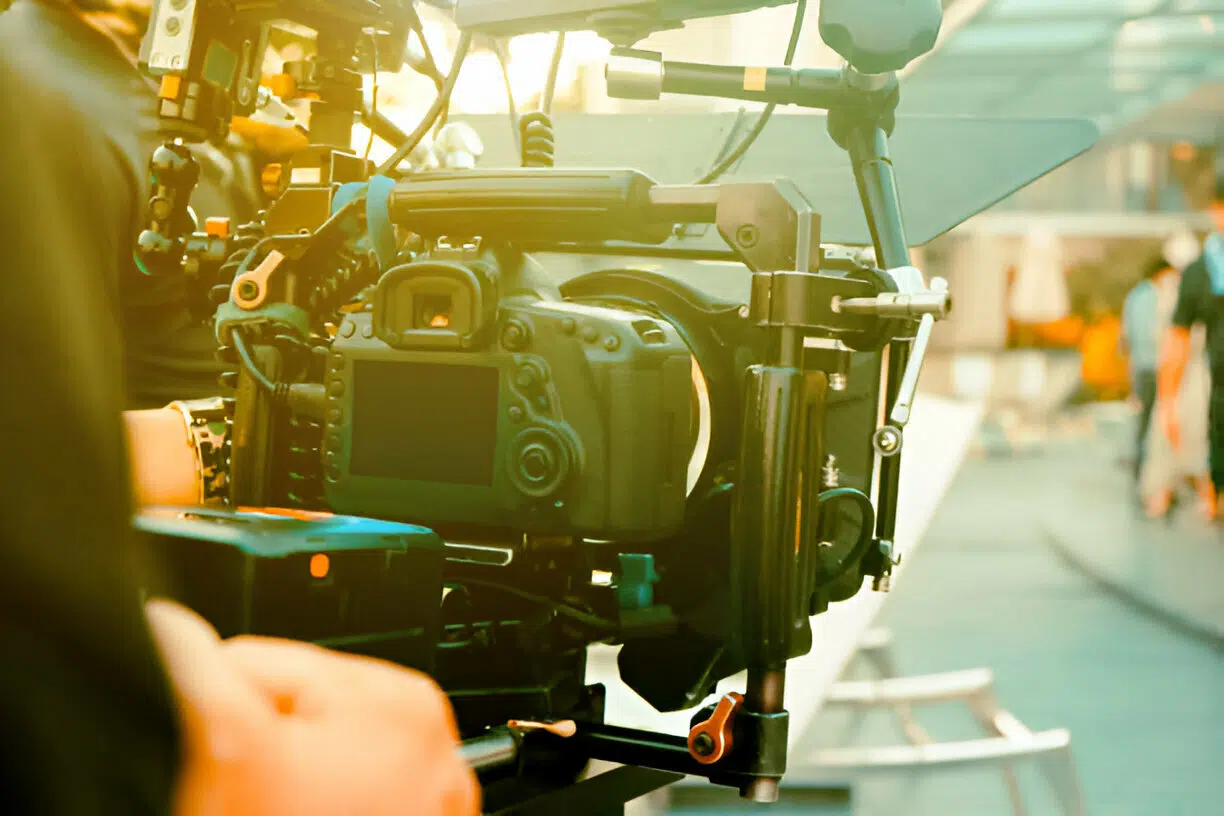
In today’s digital world, it helps people and businesses share messages and attract viewers more effectively. In this blog, we will explore its meaning, stages, tools, types, and importance in detail.
Definition of Audio Video Production
Audio video production is the whole process of making videos with sound, from planning to shooting to editing. Video production means creating content using a camera and sound equipment.
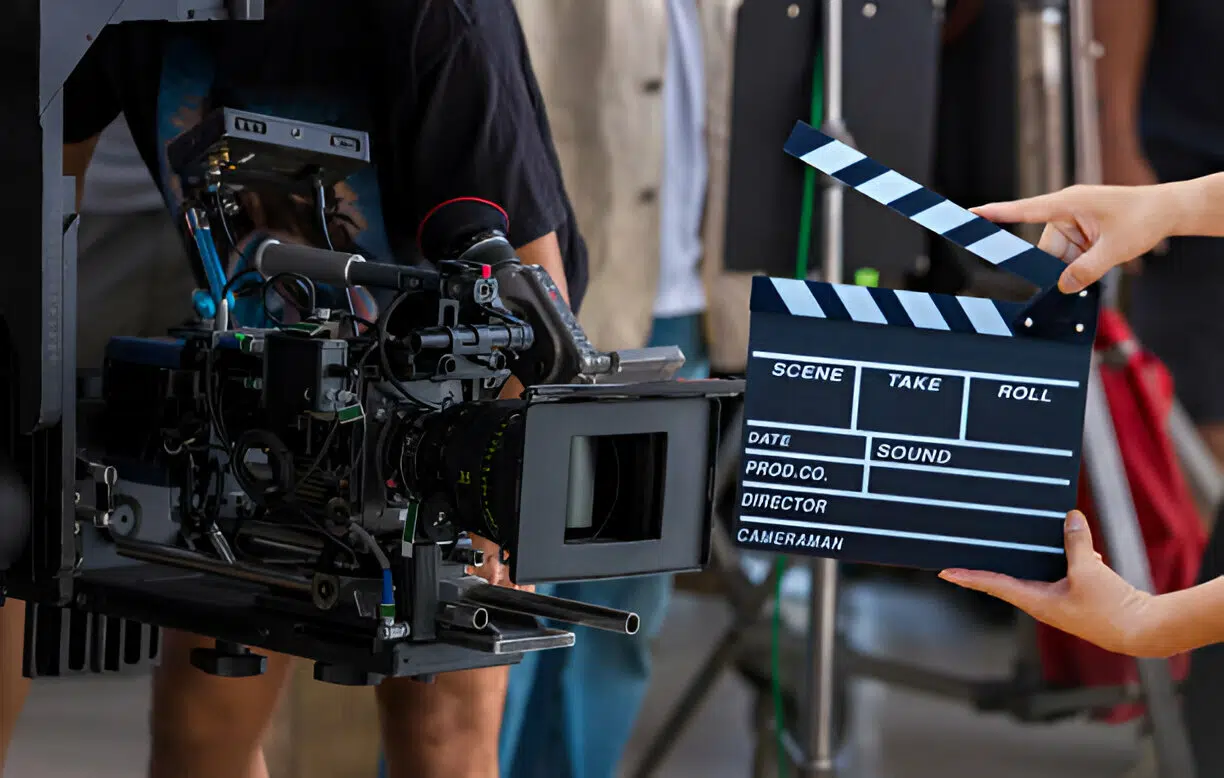
You also need lights and editing tools. The goal is to tell stories with pictures and sounds. This content can be used for ad films or social media. Everything works together to share a message clearly.
Key Stages in Audio Video Production
Audio video production has several main stages. Each stage is important for creating high-quality content.
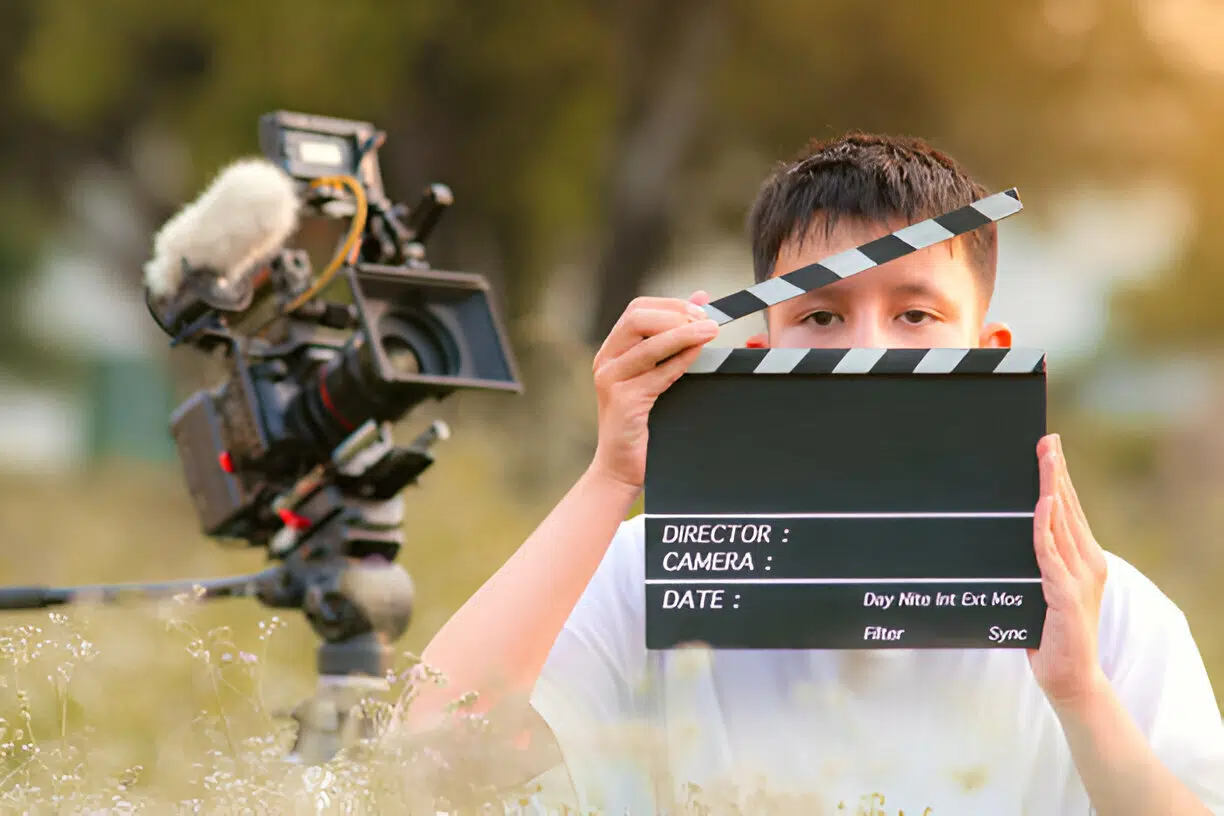
-
Pre-Production
This is the planning stage. Writing the screenplay, making storyboards, picking the venue, and picking the team are all part of it. This is also where timetables and budgets are set. Any issues during the shoot can be avoided with good pre-production.
-
Production
This is when the actual video and audio are recorded. The team has cameras, microphones, lighting, and other tools. The director tells the actors or speakers what to do. Sound and lighting are checked during this stage to ensure quality.
-
Post-Production
In this stage, the raw footage and audio are edited. Editors add background music, effects, graphics, and correct colors. Audio is matching the visuals. This is your last step. Review the video again before you upload or share it with others.
Tools Used in Audio Video Production
To create professional content, several tools are used at different stages.
-
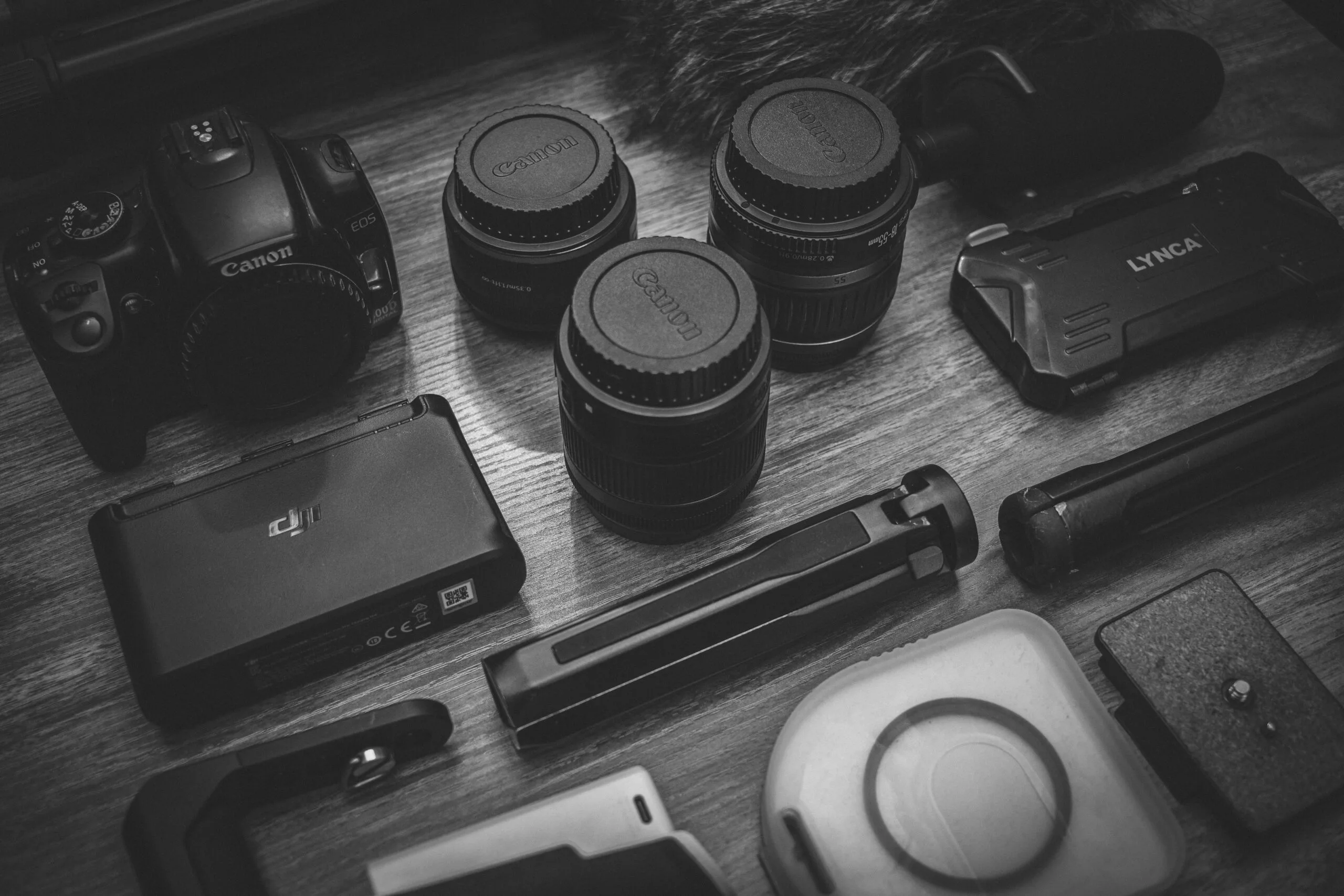
Cameras and Lenses
Cameras with high resolution take clear pictures. You can use different lenses to focus on wide photos, close-ups, or specific viewpoints. A lot of people use DSLRs, mirrorless cameras, and movie cameras.
-
Microphones and Audio Gear
Clear sound is very important. For better audio, use lavalier and boom mics. Mixers and audio interfaces improve clarity and reduce noise.
-
Lighting Equipment
Lighting builds the scene mood. With LED lights, softboxes, and reflectors, you can control brightness and shape shadows easily. Good lighting helps pictures appear more professional.
-
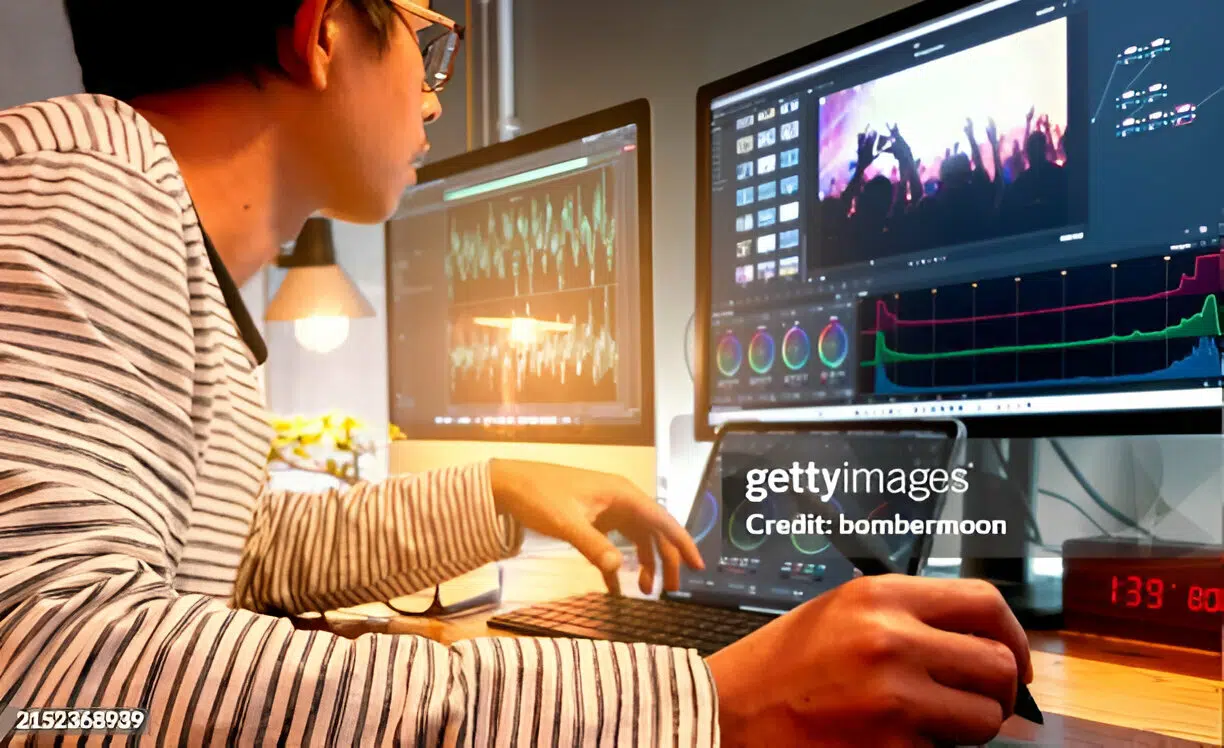
Editing Software
After shooting, editing software is used. You can cut, trim, and apply effects using tools like DaVinci Resolve, Final Cut Pro, or Adobe Premiere Pro. They also help adjust colors and sound.
-
Green Screens and Backgrounds
With green screens, editors replace backgrounds. They can add effects or create any location. It saves time and avoids shooting in real environments.
-
Video Support Tools
To get smooth video shots, use a tripod or gimbal. These tools stop movement and make your clips more polished. They are essential for professional video production.
Types of Audio Video Productions
There are many types of audio video productions used across industries.
-
Corporate Videos
These are created for businesses. These videos show your work, happy clients, and company values. They make people trust and remember your brand.
-
Documentaries
Documentaries show real events or true stories. They are based on facts. They teach or inform viewers. Some are short, while others are long. Many raise social awareness.
-
Commercials
Ads and promotional videos fall under this type. They are made to sell fast. Most commercials are brief and pull your attention quickly.
-
Music Videos
These combine music with creative visuals. They promote songs and artists. People love watching music videos on platforms like YouTube and Instagram.
-
Content for Social Media
Short videos now rule platforms like Facebook, TikTok, and Instagram. These are fast, fun, and engaging to increase online presence.
-
Film and TV Production
TV shows, movies, and web series fall into this. They often require large teams and higher budgets to produce. They follow detailed scripts and shooting schedules.
Why is Audio Important in Video Production?
Sound is a key part of any video. It supports the story and message. Clear audio helps people understand what’s going on. Music adds emotion and rhythm. Sound effects create energy and action.
If the sound is poor, viewers may stop watching. Even a beautiful video needs good sound. Great audio keeps the audience interested and involved.
Who Works in Audio Video Production?
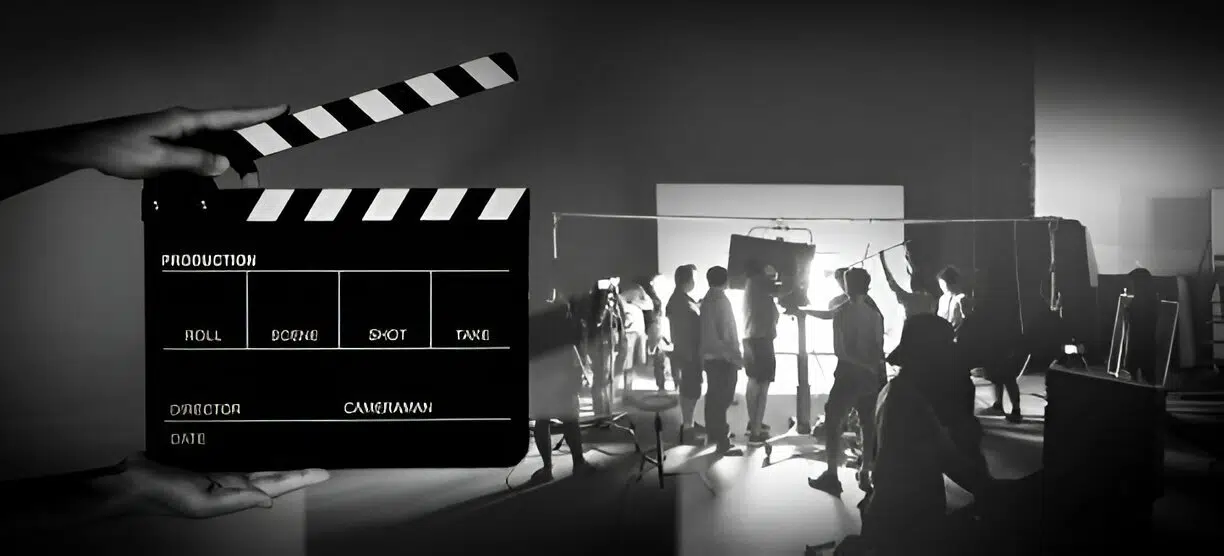
To complete a project, a team works together. Everyone has a unique job.
-
Producer
The producer is the planner and manager. They handle time, money, and staff. The producer’s goal is to make the project flow well.
-
Director
The director controls the creative side. They guide the actors and crew. Directors decide how each scene should look and feel.
-
Camera Operator
The director and camera operator work together while filming. They aim to capture the right shots. They change angles, focus, and motion for the best image quality.
-
Sound Engineer
This person takes care of the audio. They first record with microphones and mixers. Then they clean the audio and add effects. The sound engineer ensures the final track is loud, clear, and professional.
-
Video Editor
The editor works in post-production. Editors remove bad footage and shape the story. They apply effects, soundtracks, and text to complete the final version.
-
Scriptwriter
The scriptwriter writes all lines and directions. This includes narration or interview parts. A proper script helps the team shoot each scene with clarity and purpose.
-
Lighting Technician
Lighting experts set up the lights for each scene. They create the right mood and remove shadows. Their work makes videos look clean and cinematic.
-
Animator or Motion Designer
Visual effects are done by animators. They create motion for use in intros, explainers, or scene changes. They add life to static content.
The Role of Technology in Audio Video Production
Modern technology shapes audio video production. It records better sound and visuals. Tools like drones and 4K cameras increase quality. Editing apps simplify cutting and effects.
Teams can now work remotely using the cloud. Live streams are easy with new software. Tech brings speed and creativity. It helps turn ideas into polished content.
Wrapping Up
Audio video production is more than just making videos. This process includes planning, recording, and editing. It turns ideas into real content. Videos help share messages in strong and clear ways.
Video is now a main tool for brand creators and artists. Good teams and tech make quality content. Digital growth depends on video for sharing stories, building trust, and driving results.
FAQs
Who should watch this video?
Anyone who watches the video and learns something or enjoys the experience is part of the target audience for your content.
What is audio video production used for?
It helps send clear messages using sound and visual elements. It can inform, promote, teach, or entertain.
Where do you plan to record or get the video footage?
A video can be created in a studio or in the office or outdoors or made using stock or animated clips.
How many revisions are included, and who handles feedback?
Usually, 2–3 revisions are offered. The producer or editor handles and applies the feedback.
What is an example of audio production?
A podcast episode can show how audio is recorded, edited, and finished with music.