
What Education is Needed for Video Production?
Summary
Video production education teaches how to plan, shoot and edit videos. You can study through degrees, diplomas or online courses. With practice, you can build skills and start a strong career.
Introduction
Video production combines art and technology. It helps you share stories through sound and visuals. You can become a filmmaker or editor.
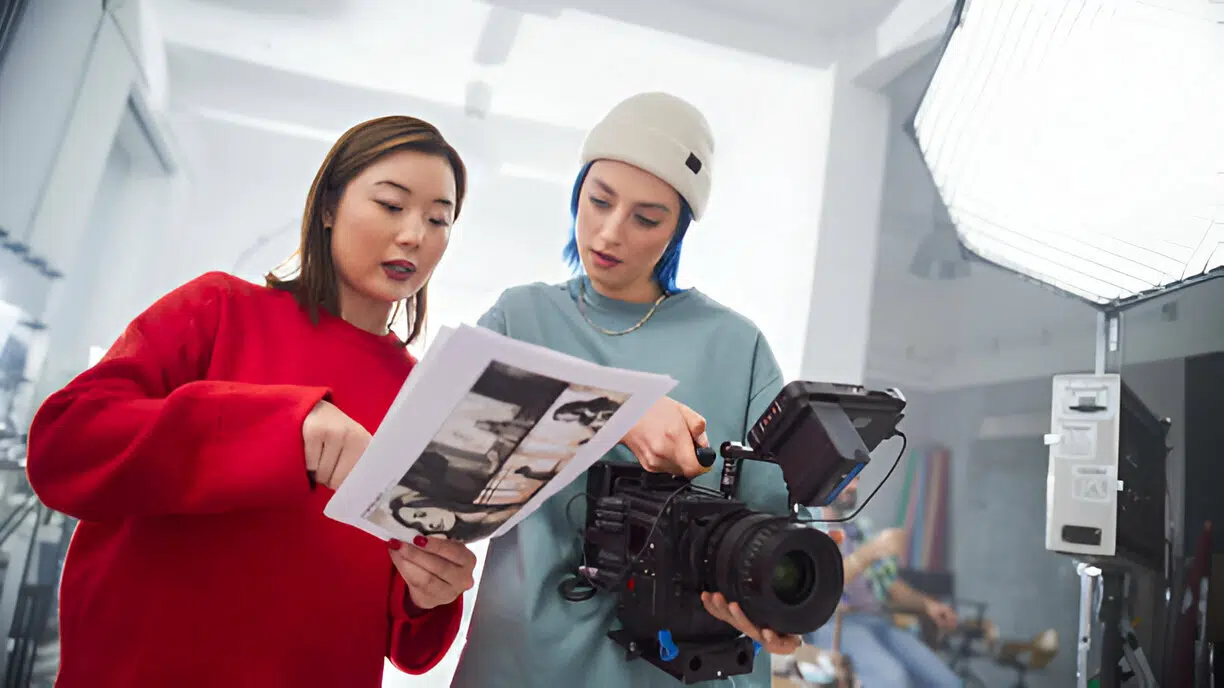
Learning helps you grow your skills. Education teaches camera work, editing and storytelling. Training helps you start a strong video production career.
Here, we will learn what education helps in video production. You can also learn how to begin your journey in this creative field.
Understanding Video Production
Video production means making videos for many uses, like ads, films or online posts. It includes planning, shooting and editing.
A skilled producer knows how to use light, sound and a camera well. Learning these skills through education helps you create strong and clear video stories.
Do You Need a Degree for Video Production?
A degree is not always required to be a producer. Some people grow through self-learning and hard work. Still, formal study gives structure and support.
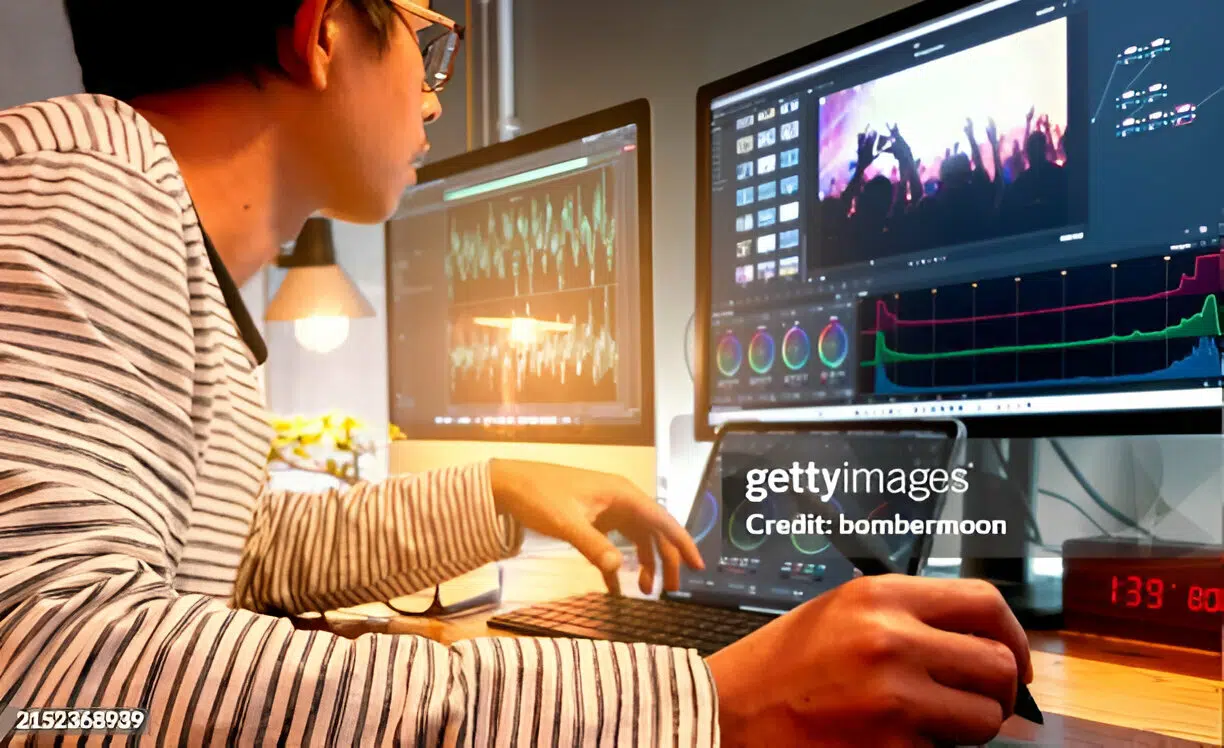
It helps connect with experts and gain real experience. A degree also builds confidence and prepares you for real projects in the industry.
Educational Pathways for Video Production
There are many ways to start a video production career. You can study or learn online. Your choice depends on goals, time, and budget. Explore paths to begin your journey.
-
Bachelor’s Degree in Film and Media Production
Many students pick a Bachelor’s in Film and Media Production. It teaches film theory, camera use, editing and lighting. Students learn storytelling and teamwork. The degree builds skills and helps them create a portfolio for jobs.
-
Bachelor’s in Digital Media or Communication
If you like online content, you can study digital media or communication. These programs teach video creation for marketing and social media. You learn to tell stories that attract people and build connections online.
-
Associate Degree in Video Production
The associate degree is a two-year course. It focuses on learning by doing. You practice filming, editing and managing small projects.
It helps beginners start their careers quickly. It gives the skills needed to work in video or production fields.
-
Certificate or Diploma Programs
Certificate courses are a quick way to learn video production. They cover topics like editing, lighting and camera work.
These courses are good for those who have already studied another subject. They let learners focus on video production without spending years in school.
Subjects You Will Study
When you study video production, you learn creative and technical skills. These lessons build a strong base in film and media.
-
Cinematography
You will learn to use cameras and lights to create great shots. Cinematography helps make videos look professional and show real emotion.
-
Editing and Post-Production
Editing is the creative part of video making. You will practice cutting, coloring and adding sound effects using tools like Adobe Premiere Pro and DaVinci Resolve.
-
Sound Design
Sound adds feeling to your videos. The sound design courses teach you to record, mix and edit audio. They help you make your visuals more powerful and emotional.
-
Scriptwriting and Storytelling
Every great video starts with a strong story. Scriptwriting lessons teach you to write clear scripts that connect with viewers. They keep the audience interested till the end.
-
Lighting Techniques
Lighting controls the feeling of a video. You will learn how to use sunlight and studio lights to make each scene look bright, natural and full of emotion.
-
Visual Effects and Motion Graphics
Modern videos use graphics and animation to look better. You will learn tools like After Effects to make your projects more creative and visually appealing.
Technical Skills You’ll Learn
A strong video production course helps you learn key tools. It gives you the confidence to handle real projects effectively.
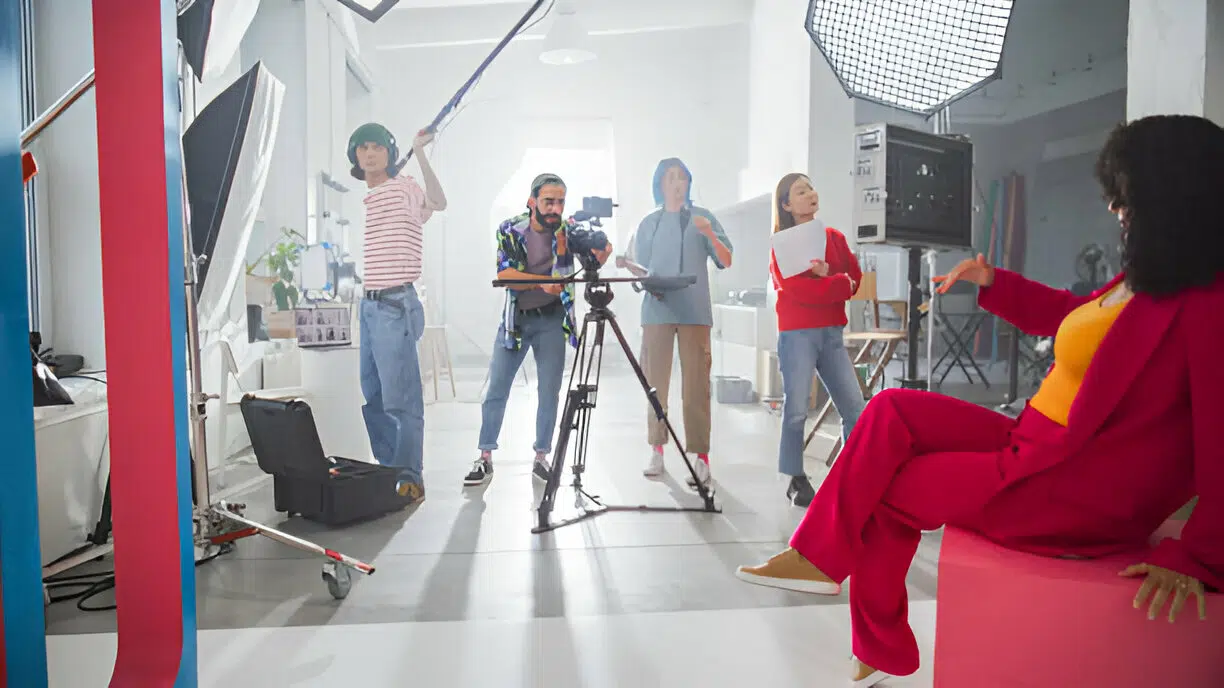
You’ll learn about:
Camera settings
Video formats
Lenses
File management
Editing systems
Production planning.
Soft Skills You Need
Technical skills help you work well, but soft skills help you shine. They make you connect better and grow in the video industry. Like:

-
Creativity
Education in video production enhances your creative thinking. It helps you learn how to tell a story in unique ways.
-
Teamwork
Video production needs teamwork. Directors, editors and actors work together. You learn to share ideas and communicate clearly.
-
Time Management
You’ll learn how to plan and deliver projects on time. This is a crucial skill for both small and large productions.
-
Problem-Solving
Unexpected issues often arise during shoots. Your training helps you stay calm and find quick solutions.
Hands-On Experience
Video production education is more than classroom study. Students work on short films and ads to learn by doing. These projects build real skills.
Internships give a view of how studios and teams operate. This mix of practice and experience prepares students for real work in the film and media industry.
Online Learning Options
Not everyone can study film in school. Online courses make it easier to learn video production. Websites like Coursera, Skillshare and Udemy teach editing and directing.
You can learn anytime and at your own speed. Many learners also practice with real projects to improve skills and build strong portfolios.
Portfolio Building
A portfolio is the strongest proof of your video skills. It helps others see what you can do. In school, you create projects that build your experience.
Many schools help students make demo reels for jobs. A collection of creative short films and ads shows your talent and makes you stand out in the industry.
Importance of Industry Networking
Education connects you with teachers, mentors and other learners. It helps you build a strong network. You can find internships and jobs through these connections.
Schools often hold events and workshops to meet professionals. Learning from their experience can guide your future. Good networking in school can lead to work after graduation.
Career Opportunities After Education
With the right education, you can work in many roles. Each role requires a mix of creative vision and technical skill.
A good education prepares you for all these paths.
- Video Producer
- Film Editor
- Cinematographer
- Camera Operator
- Scriptwriter
- Video Content Creator
- Post-Production Specialist
Balancing Education and Creativity
Education helps you start, but creativity comes from doing. Try different video types and ideas. Learn by testing and making errors.
Real projects teach you what works best. Training gives the base, but your creative work makes you better.
Cost and Duration of Education
Many universities offer scholarships or financial aid for creative students. But the cost of education in video production depends on the level and institution.
- A bachelor’s degree usually takes four years.
- An associate’s degree takes two years.
- Certificate programs may take a few months.
Conclusion
Video production is a fun and creative career. The right learning path builds strong skills. You can study through a degree or an online course. Knowing the basics helps you grow with confidence.
Practice and passion make you better every day. With effort, your love for videos can become a lasting career. Keep learning and let your camera tell powerful stories.
FAQs
Can I become a video producer without a college degree?
Yes, you can start without formal training. Many producers learn through online courses and real experience.
What kind of jobs can I get after studying video production?
You can build a career as a video editor, cinematographer, or director. You can also work as a producer or camera operator.
What is the difference between film production and video production?
Film production is about movies and storytelling. In contrast, video production creates digital content like ads, YouTube videos, and business videos.
How expensive is a video production degree?
The cost depends on the school and country. It usually ranges from about $20,000 to $50,000 per year.
What GPA do I need to get into a video production program?
Most programs require a GPA between 2.5 and 3.0, though top schools may ask for higher.