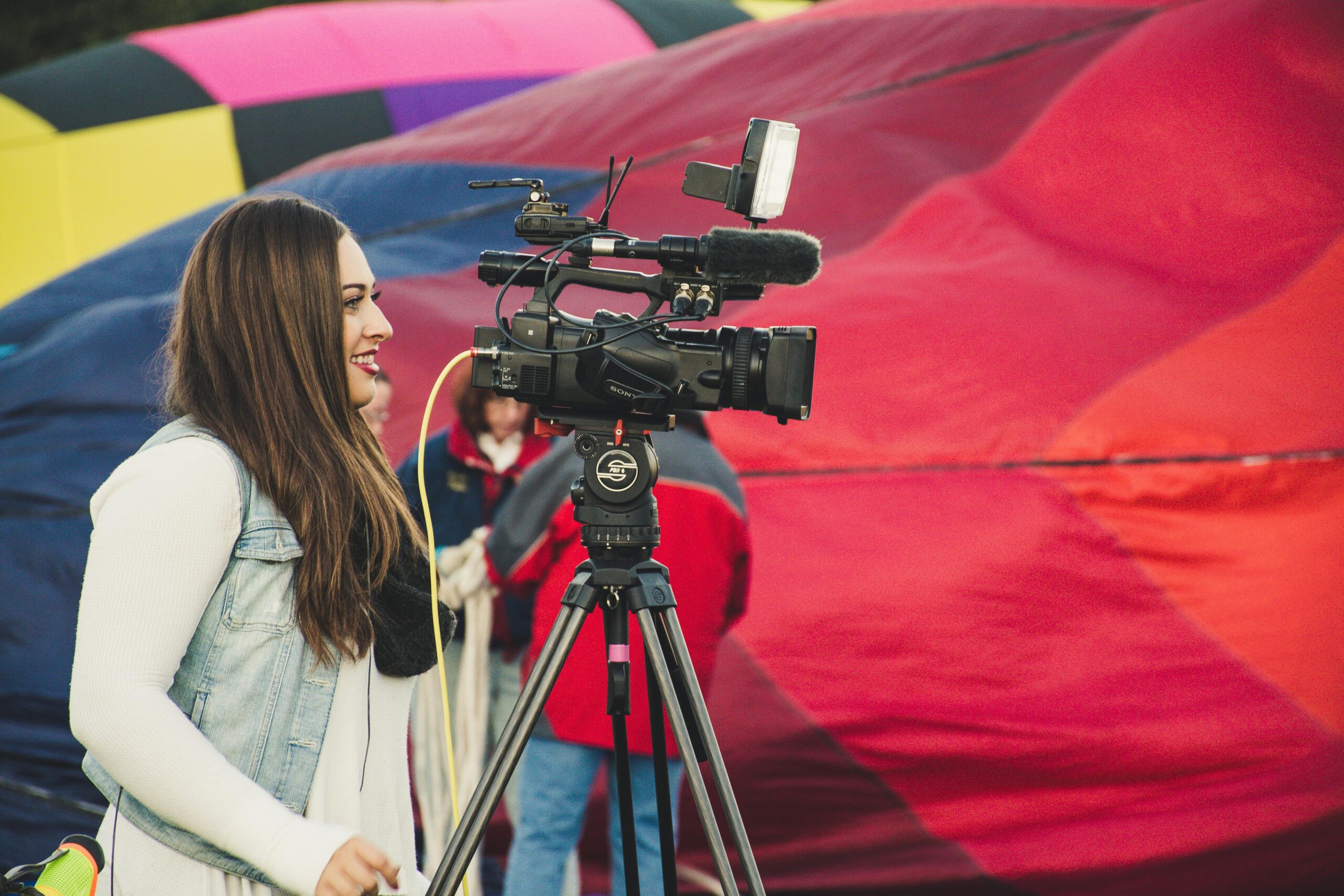
What Does an Event Videographer Really Do? A Complete Breakdown of Their Role & Responsibilities
Summary
An event videographer captures live moments as they happen. They plan, record, and edit videos that tell a clear story. These videos help people relive events and support business or personal marketing needs.
Introduction
Every event happens once. When an event ends, memories are all that remain. An event videographer records special moments and emotions. So they can be watched, shared, and remembered for years.
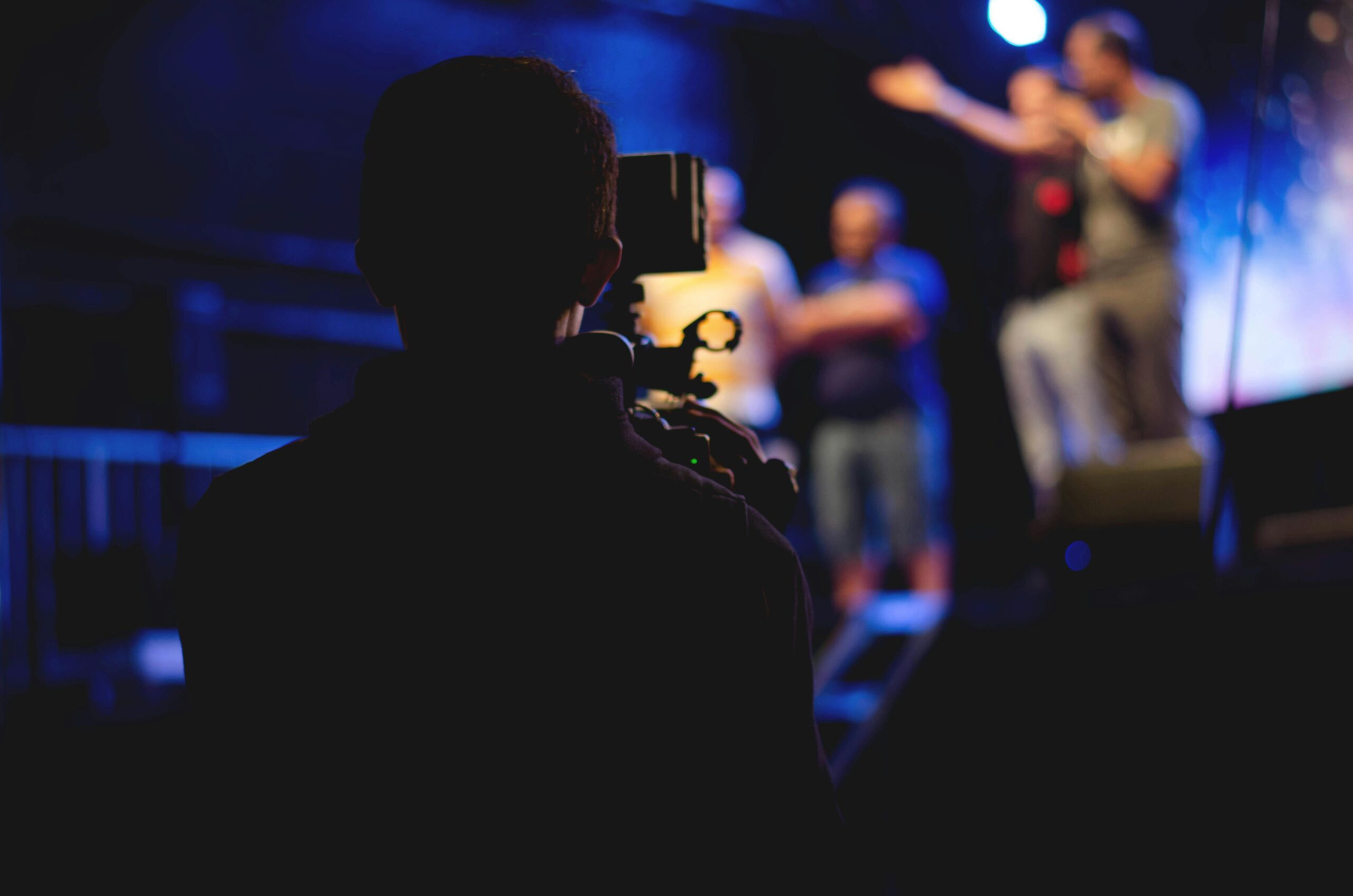
From planning to final editing, their role is detailed and creative. They do more than just press record. This blog explains the real role of an event videographer. It covers their duties, skills, tools, and importance.
Understanding the Role of an Event Videographer
An event videographer tells stories through video. They capture real moments during events without disturbing guests. Planning shots, handling cameras, and perfect timing are part of their work.

After the event, they edit the footage into a clear and engaging video. Their role combines technical skills, creativity, and smooth coordination with clients and teams.
Types of Events an Event Videographer Covers
Event videographers work across many event types. Each event needs a different filming style and approach.
-
Corporate Events
Such events include seminars and business launches. Videographers film key speakers and brand moments. The videos are later used for marketing, learning, and internal business use.

-
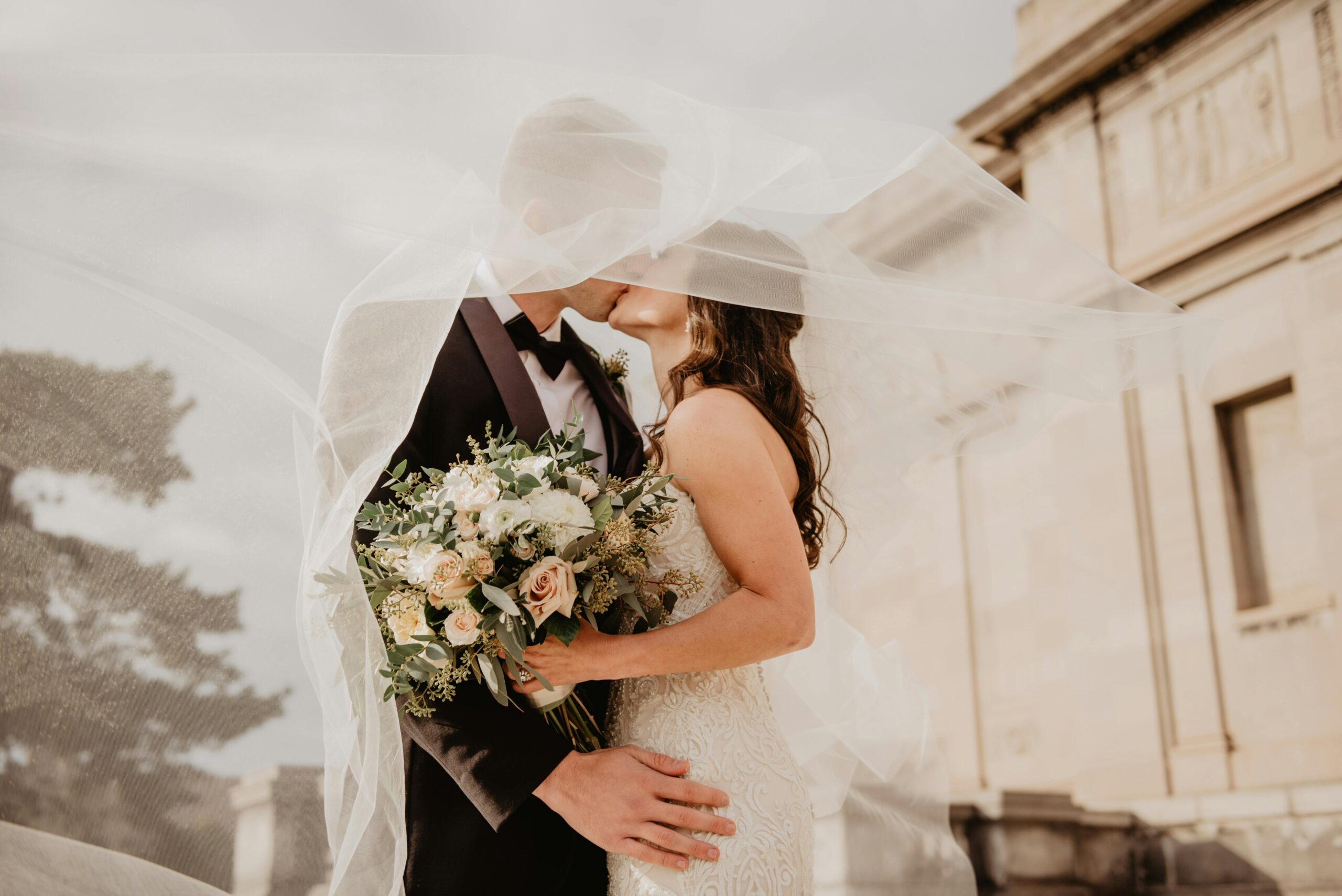
Weddings
Wedding videography tells a love story through video. It captures vows, emotions, smiles, and celebrations, giving couples memories they can relive for life.
-
Private Parties
Private events include birthdays and family gatherings. Videographers capture candid moments and joyful interactions to reflect the event’s relaxed mood.

-
Live Performances
Stage shows require capturing motion, sound, and lights clearly. Audience energy must be shown using perfect timing and camera angles.
-
Trade Shows and Exhibitions
Videos highlight booths and visitor movement. They help brands build awareness and attract more clients later.

Pre-Event Responsibilities of an Event Videographer
Before the event begins, careful planning takes place. This stage sets the foundation for quality results.

-
Client Consultation
The videographer talks with the client before the event. They discuss goals, style, and moments to capture. This helps create a video that meets expectations clearly.
-
Event Research and Planning
The videographer studies the event flow and venue space. This planning helps capture important scenes at the right time and from the best angles.
-
Equipment Preparation
The videographer checks all equipment before the event starts. Spare cameras and batteries are kept ready to prevent delays or technical failures.
-
Location Scouting
The videographer visits the venue in advance. They examine lighting, room layout, and sound levels. This planning helps place cameras correctly and ensures smooth filming.
On-Event Responsibilities During the Event
During the event, the videographer stays alert and flexible. Every moment matters.

-
Capturing Key Moments
The videographer films all major moments during the event. Timing is very important. Missing key moments cannot be fixed later.
-
Managing Audio and Lighting
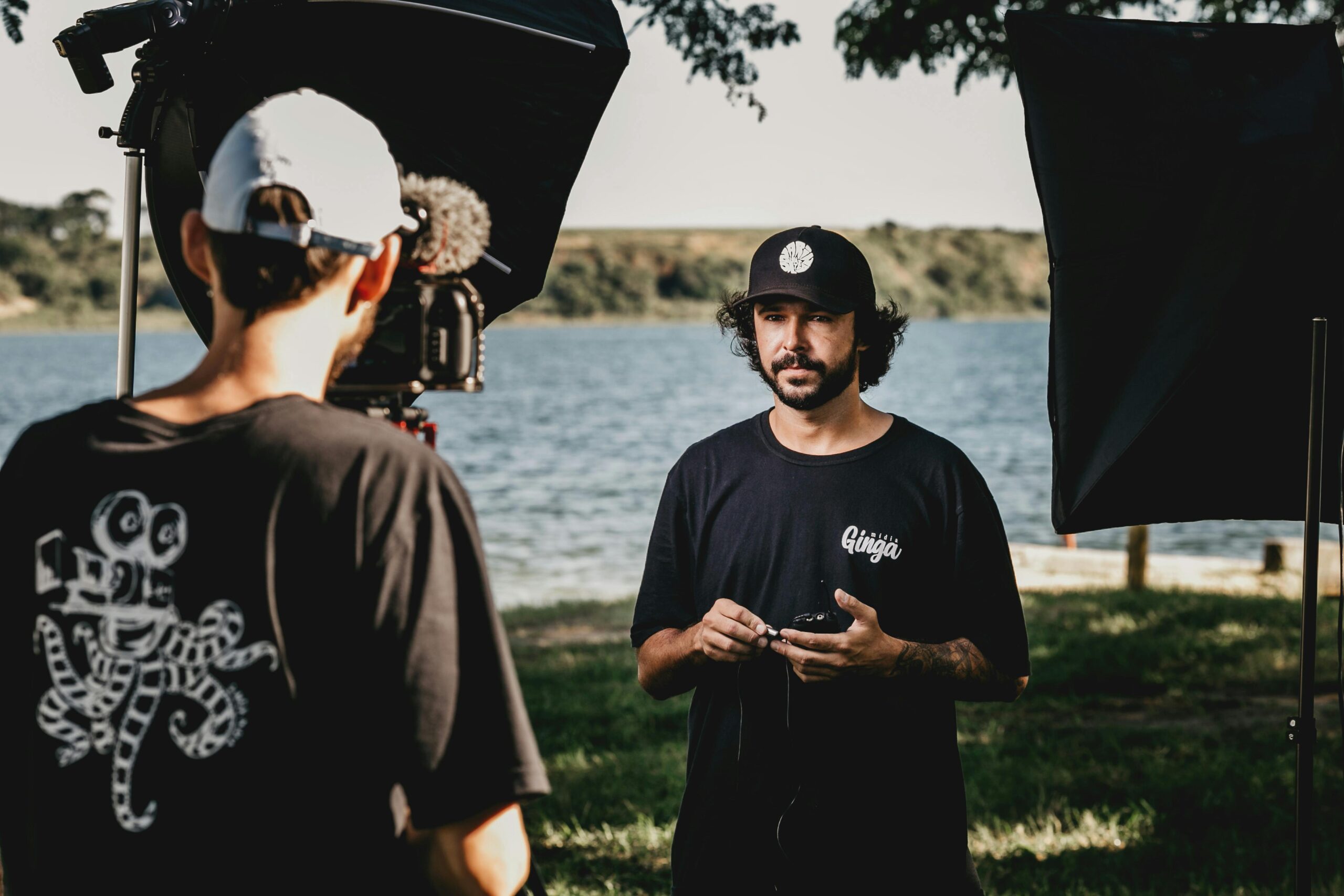
Sound quality and lighting are checked throughout the event. Microphones are adjusted. Lights are balanced to match changing conditions and ensure clear, professional footage.
-
Staying Discreet
The videographer keeps a low profile during the event. This helps guests stay comfortable and allows genuine moments to be filmed naturally.
-
Coordinating with Event Staff
The videographer stays in touch with organizers and photographers. This teamwork supports better timing, fewer issues, and smooth event recording.
Post-Event Responsibilities of an Event Videographer
The real work continues after the event ends. Editing turns raw footage into a story.
-
Footage Review and Selection
All video footage is watched closely. The videographer selects key moments that matter most. This helps shape a smooth, clear, and impactful final video.
-
Video Editing
The editor shortens clips and arranges them clearly. Music and transitions are added. Color correction enhances quality and gives the video a professional and finished appearance.
-
Client Revisions
A preview video is shared with the client. The client suggests edits. The videographer applies those changes to ensure the final video meets agreed goals.
-
Final Delivery
After editing, the video is exported in suitable formats. It is shared for online platforms, company websites, or internal viewing as requested.
Technical Skills Required for an Event Videographer
Strong technical knowledge ensures professional output.
- Camera handling and manual settings
- Lighting setup and exposure control
- Audio recording and microphone use
- Video editing software skills
- File management and backups
- Understanding of different video formats
Creative Skills That Define a Great Event Videographer
Creativity turns recordings into stories.
- Visual storytelling ability.
- Strong sense of timing.
- Shot composition and framing.
- Creativity under pressure.
- Attention to detail.
- Ability to capture emotions naturally.
Tools and Equipment Used by Event Videographers
Professional cameras help videographers record high-quality videos. Lenses, tripods, and gimbals ensure smooth shots.
External microphones improve sound clarity. Lighting tools handle low light. Editing software completes the video. Backups protect important files.
Common Challenges Faced by Event Videographers
Event videography comes with real-time challenges.
- Poor lighting conditions.
- Loud or unclear audio environments.
- Limited movement space.
- Unpredictable event schedules.
- Long working hours.
- Pressure to capture unrepeatable moments.
How Do Event Videographers Add Value to Events?
Event videographers help events last longer through video. Their work captures real moments and emotions. Businesses use these videos for marketing and training.
People use them to relive memories. A good event video keeps the experience alive even after the event ends.
Event Videographer vs Event Photographer
Event videographers and photographers do different jobs. Knowing how they differ helps you select the right option for your event.
Event Videographer
Event videographers film moving moments and real voices. They capture emotions, activities, and important talks. Their videos tell a complete story and are useful for sharing and marketing.
Event Photographer
An event photographer captures still moments in photos. Images freeze expressions and details. They are perfect for prints, albums, and quick highlights without sound or movement.
In simple terms:
- If you want to feel the event again, choose video.
- If you want to see the best moments, choose photos.
Why Hiring a Professional Event Videographer is Important?
An experienced videographer delivers reliable results. They stay calm during busy events. They capture important scenes without disturbance.
Strong editing skills improve video quality. Choosing a professional means your event story is recorded clearly and shared in the best possible way.
Who Should Hire an Event Videographer?
Businesses, brands, and event organizers hire event videographers for professional videos. Companies use videos for branding and training purposes.
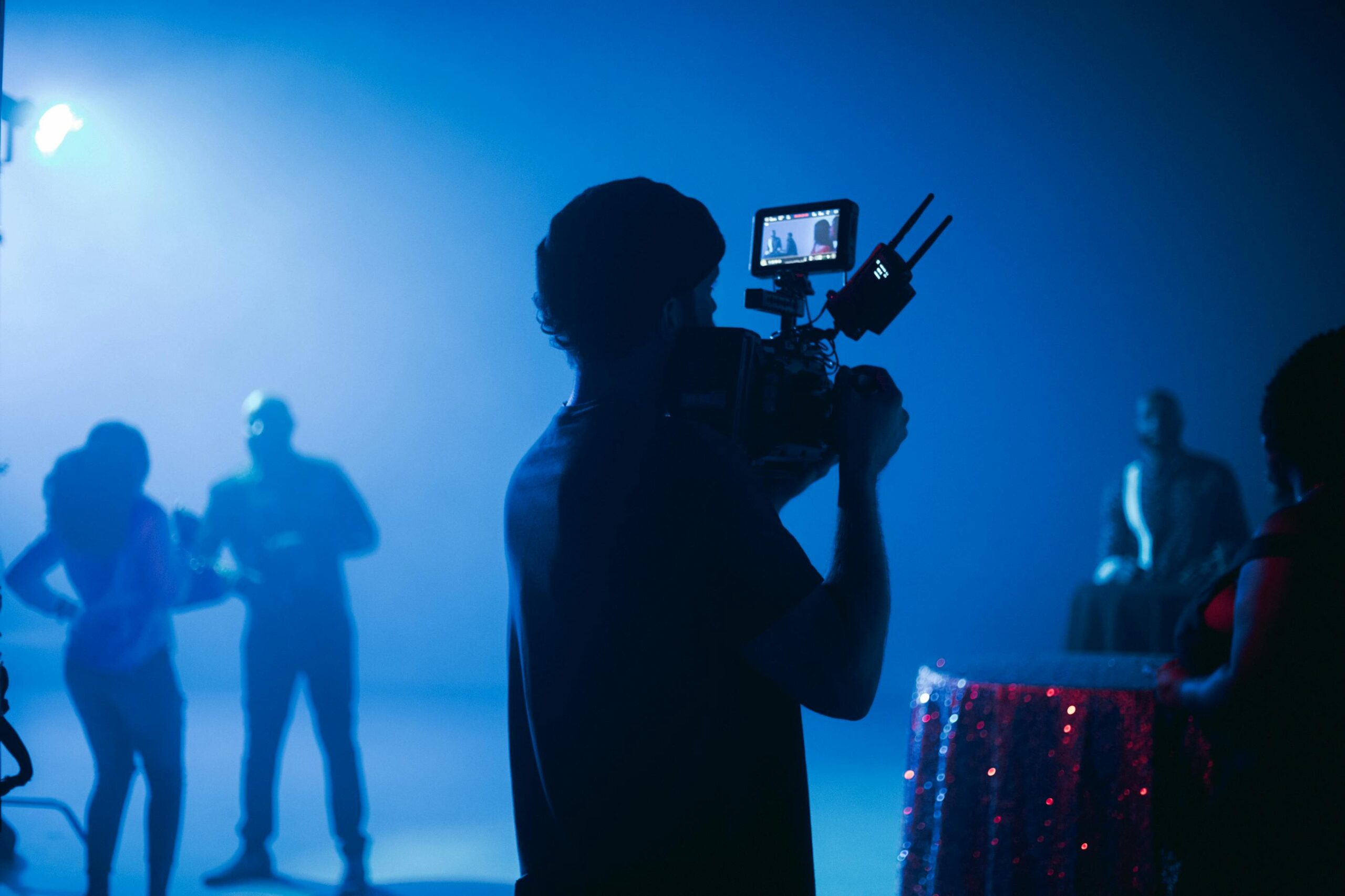
Couples save wedding memories. Artists promote shows. Anyone who wants a lasting impact and clear storytelling benefits from event videography.
How to Choose the Right Event Videographer?
Choosing the right professional ensures success.
- Review the portfolio and past work.
- Check experience with similar events.
- Discuss style and expectations clearly.
- Ask about equipment and backups.
- Read client reviews and testimonials.
- Confirm delivery timelines and formats.
Cost Factors in Event Videography
Event videography pricing depends on many factors. These include event length, number of crew members, and equipment used. Editing time also affects cost.
Travel, extra revisions, and delivery formats can increase the price. Experienced videographers usually charge more because they deliver better quality and reliable results.
Legal and Professional Responsibilities
Legal and ethical standards help videographers work safely. They protect both parties and create trust between videographers and clients.
-
Contracts and Agreements
Written contracts explain the work clearly. They mention deadlines and pricing. Usage rights are defined. They keep both sides safe and avoid future confusion.
-
Permissions and Releases
Videographers often need written permission from organizers or participants. This allows safe use of video content for marketing, websites, or public platforms.
-
Data Protection
All footage is handled with care and stored securely. Client information stays private. Content is only used after the client gives proper consent.
Conclusion
An event videographer is important from start to finish. They prepare early, film carefully, and edit videos with detail. Their work turns live moments into meaningful stories.
These videos help businesses grow and families keep memories. A skilled videographer captures every important moment with care. The final video can be watched, shared, and remembered for years.
FAQs
How early should an event videographer arrive at the venue?
Usually 60–90 minutes early. This allows setup, equipment checks, and location review.
What happens if an event runs longer than planned?
Extra time may be covered if agreed. Additional charges can apply.
Is drone footage included in event videography?
Not always. It depends on the client’s requests, location rules, and safety permissions.
How long does it take to receive the final video?
Most videos are delivered within 2–4 weeks after the event.
Can clients request both long and short video versions?
Yes! Many videographers offer full videos and short highlight edits.
What makes event videography different from regular videography?
Event videography captures real-time moments. There are no retakes.
Can last-minute changes affect video quality?
Yes! Sudden schedule or lighting changes can impact planning and results.