How Does Video Production Differ for Live Events?
Quick Summary
Live event video production happens in real time. There are no retakes. It needs fast planning and skilled teamwork. Quick decisions are required at every step. Each moment must be captured live, with no pauses or mistakes.
Introduction
Live events are fast and full of real emotions. Everything happens in one moment. There is no chance to stop or record again. This makes live event video production very different from studio work.
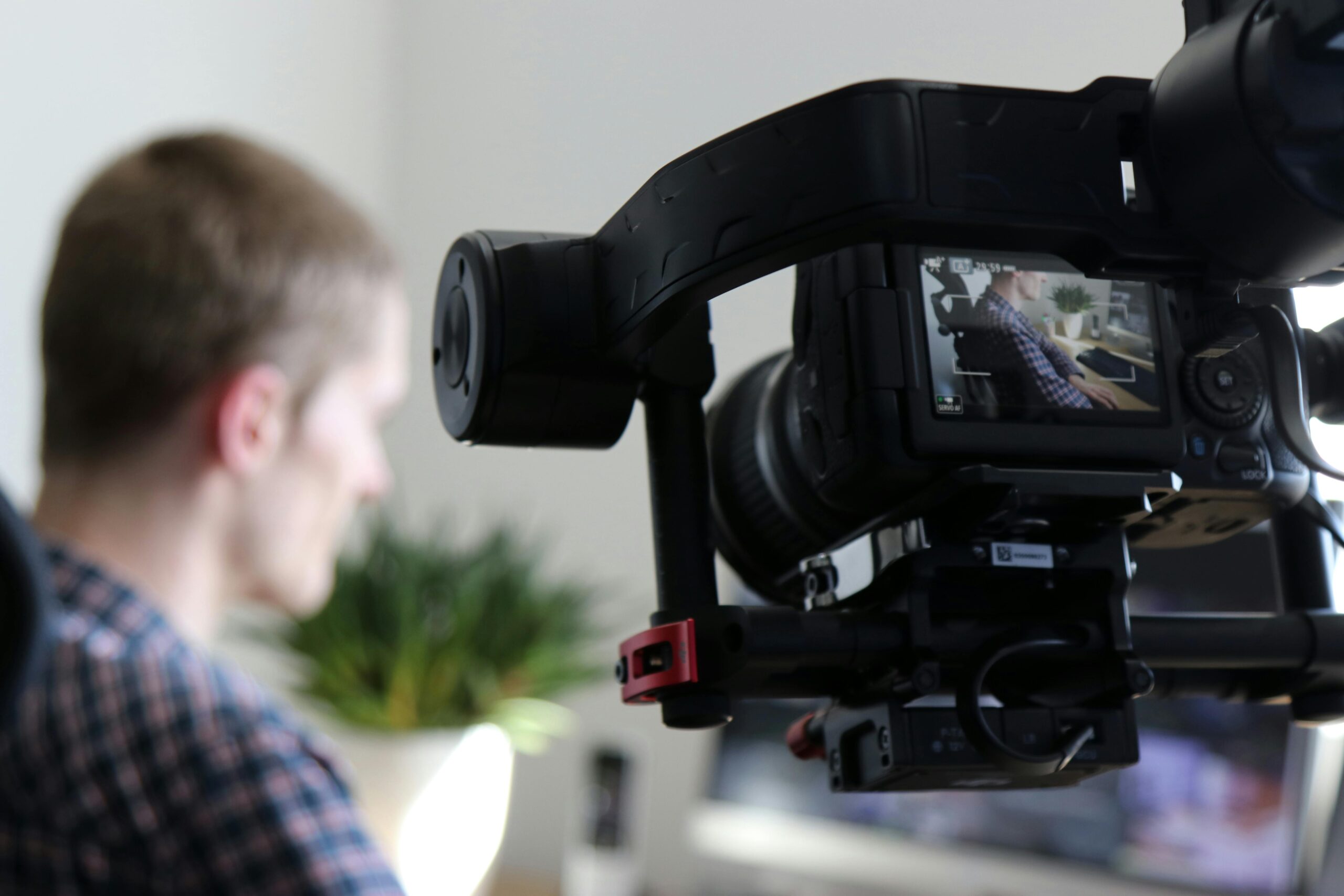
Every second is important. Even a small mistake can lose a key moment. That is why a special approach is needed.
In this blog, we explain how live event video production works and what happens on-site. We also cover common challenges and why planning and experience matter.
Understanding of Live Event Video Production
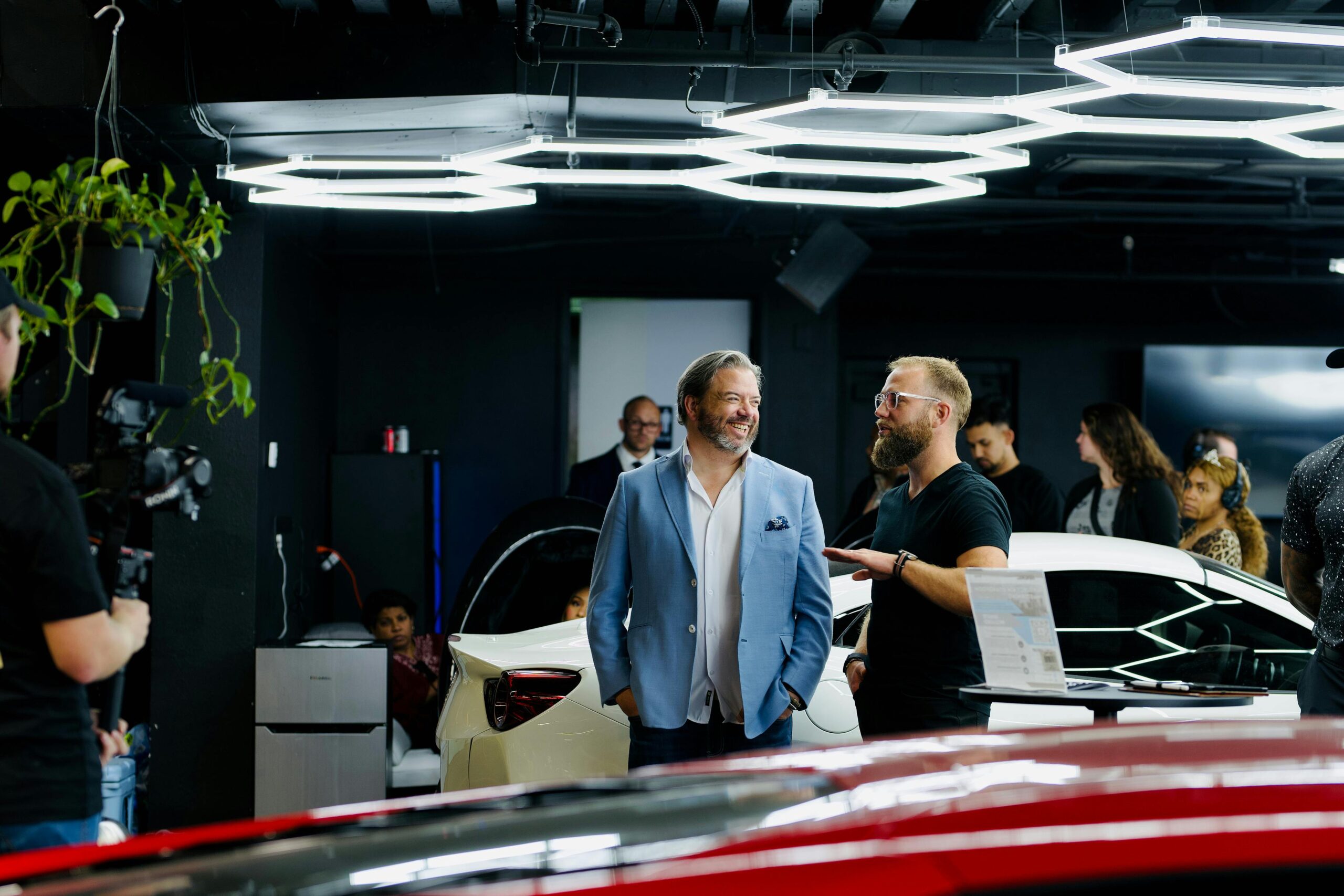
Live event video production is filming real events in real time. The camera team records moments as they happen. This includes business events, concerts, and sports.
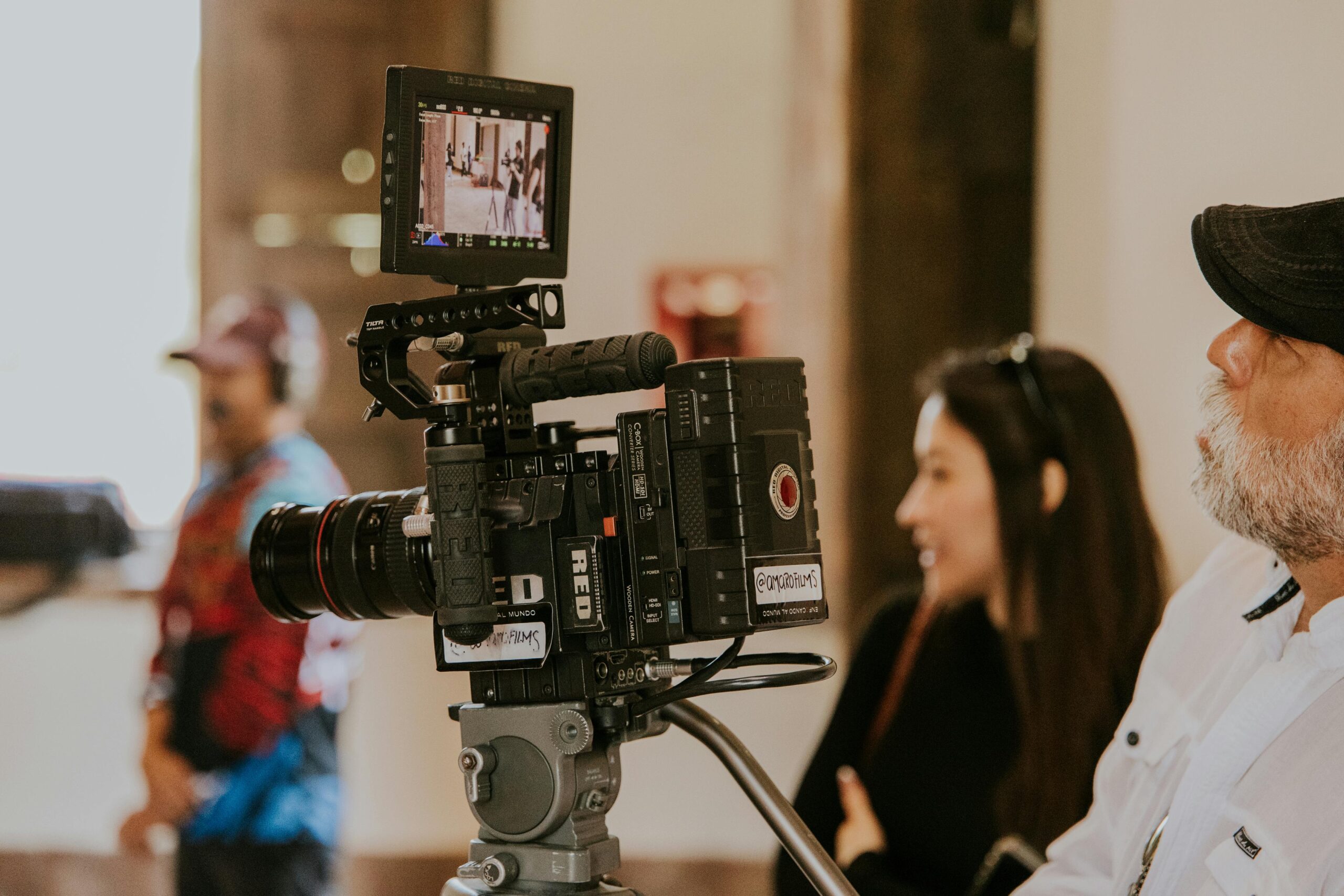
There are no retakes. The team must adjust quickly. Every moment matters. This makes live event filming stressful but exciting.
How is Live Event Video Production Different?
Live event video production is different because everything happens live and cannot be repeated.

-
No Room for Retakes
Moments happen only once in live events. Speakers and performers cannot restart. The video team must stay focused and ready at all times.
-
Real-Time Decision Making
Live events change quickly. Camera angles, focus, and audio must be adjusted instantly. Fast decisions keep the video smooth and clear.
-
High-Pressure Environment
Live audiences and strict schedules increase pressure. The crew works silently while staying alert. Even small mistakes can be noticeable.
-
Multiple Elements Happening at Once
Speakers, screens, and audience reactions happen together. The team manages all elements at the same time to ensure full coverage.
-
Limited Control Over the Environment
Venues control lighting, sound, and space. The video team adapts instead of changing conditions. This requires strong technical skills.
-
Strong Dependence on Team Coordination
Live event filming depends on teamwork. Clear communication between crew members helps capture key moments without interruption.
The Role of Planning in Live Event Video Production
Planning ensures live event video production runs without confusion.
-
Understanding Event Goals and Purpose
Each event is planned with a clear goal. Knowing the goal helps the video team film what matters most. This keeps the message strong.
-
Studying the Event Schedule and Flow
A clear agenda helps the team prepare for key sessions and speakers. Cameras stay ready at the right time. This reduces surprises during the event.
-
Venue Scouting and Technical Assessment
Lighting and sound change from venue to venue. Checking equipment early avoids problems. It helps deliver better video and sound.
-
Camera Placement and Coverage Strategy
Planning decides camera positions and movement. It ensures balanced shots without disturbing guests. Coverage feels smooth and complete.
-
Audio Planning and Sound Coordination
Clear sound is essential. The team plans microphone connections and backup audio. This prevents sound issues during important moments.
-
Crew Coordination and Role Assignment
Every crew member knows their task. This keeps the workflow smooth. The team performs better in stressful moments.
-
Backup Planning and Risk Management
Live events are unpredictable. Backup plans prepare the team for delays or equipment issues. Recording continues without disruption.
Equipment Used for Live Events vs Studio Shoots
Live events and studio shoots need different equipment to balance speed, flexibility, and control.

-
Camera Setup and Mobility
Lightweight cameras are used at live events. They move easily and record for long hours. Studios use larger cameras on rigs for full control.
-
Audio Recording Equipment
Live event audio captures sound as it happens. It records speakers and crowd noise together. Direct sound system feeds are often used.
-
Lighting Tools and Control
Venue lighting is used in live events. Camera teams adjust settings in real time. Studio shoots rely on controlled lighting setups.
-
Power and Backup Equipment
Live event setups depend on portable power and backups. This helps avoid sudden failures. Studio shoots have stable power connections.
-
Switching and Monitoring Systems
Live events control several cameras in real time. Studio shoots check footage only after filming ends.
Lighting Challenges in Live Event Video Production
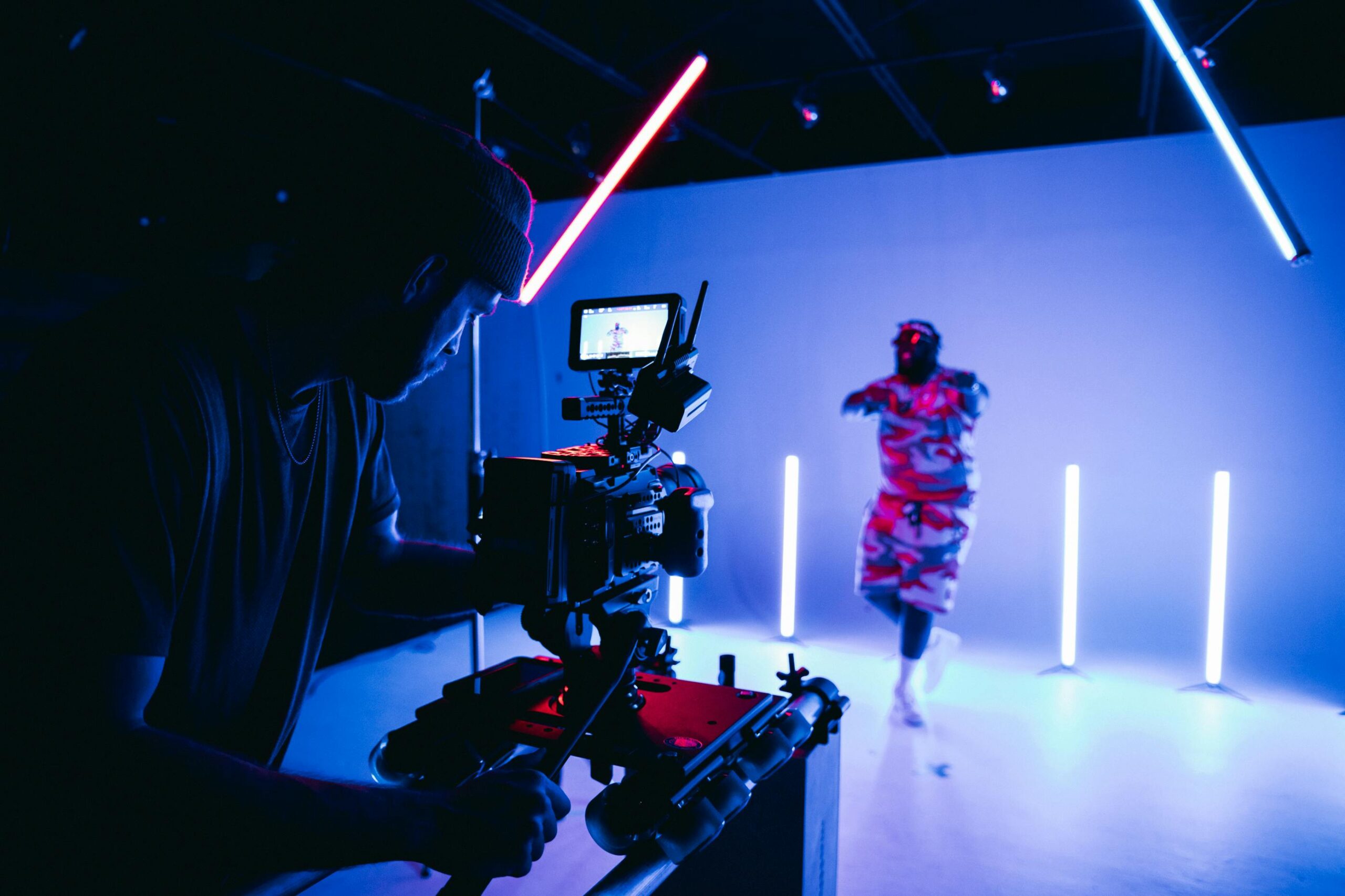
Lighting in live event video production is difficult because it cannot be fully controlled and changes unexpectedly.
-
Working with Venue Lighting
Most venues focus on audience lighting. This lighting often does not suit cameras. Videographers make fast changes to capture clean visuals.
-
Constant Light Changes During the Event
Stage lights and screens change without warning. Brightness levels can shift fast. Camera operators adapt immediately to capture balanced visuals.
-
Mixed Lighting Sources
Events often use natural, stage, and ambient light together. This can affect color balance. Professionals adjust white balance to keep skin tones natural.
-
Limited Control Over Light Placement
Lighting positions cannot be changed during live events. Cameras must work around fixed lights and shadows. Experience helps find the best angles.
-
Spotlight and Shadow Issues
Strong spotlights can create harsh shadows. Speakers may move in and out of the light. Operators track movement to keep subjects visible.
-
Low-Light and Noise Problems
Some events use low lighting for atmosphere. This can add noise to the video. Skilled videographers balance exposure to maintain quality.
Live Event Video Crew and Teamwork
A live event video crew works as one team. Strong teamwork ensures smooth coverage and no missed moments.

-
Clear Role Distribution
The crew have clear roles. Camera and audio teams focus on their tasks. Directors manage the flow. This structure keeps the workflow fast and organized.
-
Real-Time Communication
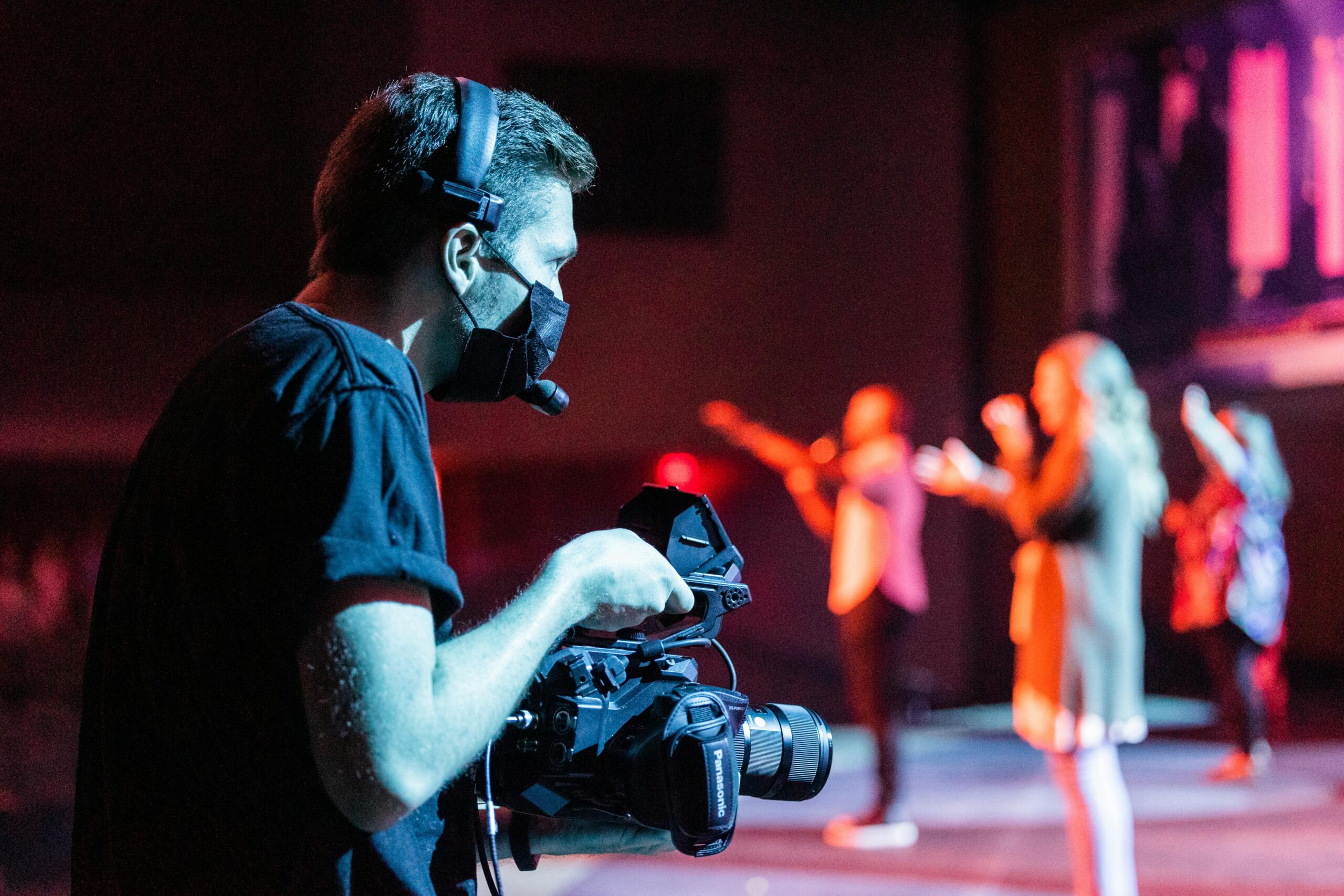
Live events need constant coordination. The team uses headsets and signals. This allows quick camera changes and audio fixes without disruption.
-
Trust and Coordination Under Pressure
Live events move fast and can be uncertain. Each team member relies on shared skills. Trust keeps the team focused and confident.
-
Seamless Collaboration with Event Staff
The video crew works closely with event staff. This ensures correct timing and smooth access. It also avoids interrupting the event.
-
Adaptability During Live Situations
Live events rarely go as planned. A strong team adjusts quickly. This keeps the production smooth from start to end.
Live Streaming vs Recorded Live Events
Many live events are streamed online. This adds another layer to video production.
-
Live Streaming Pressure
Live streaming means the audience watches in real time. Any mistake is visible immediately. This increases pressure on the production team. Internet stability, encoding, and platform integration must be perfect.
-
Recording for Post-Event Use
Some events are recorded for later editing. This allows more flexibility in post-production. However, the filming process is still live. The crew must capture everything correctly to give editors good footage.
Post-Production Differences for Live Events
After the event, post-production shapes unscripted moments into a clear message.
-
Working with Real-Time Footage
Footage is captured live with no retakes. Editors work with what is available. They select the strongest moments that show real energy and meaning.
-
Limited Control Over Scene Structure
Live events follow a fixed timeline. Editors cannot change the order. They improve flow using clean cuts and smooth transitions.
-
Faster Editing Turnaround
Event videos are often needed quickly. Editors work under tight deadlines. Speed and accuracy both matter.
-
Emphasis on Audio Clarity
Live sound may include noise or echo. Editors clean and balance audio. Clear speech is the priority.
-
Multi-Camera Footage Management
Several cameras record at the same time. Editors sync footage carefully. This creates smooth and engaging visuals.
-
Focus on Authentic Storytelling
The goal is to show real moments. Natural reactions matter more than perfection. This keeps the video honest and impactful.
Storytelling in Live Event Video Production
Storytelling in live event video production turns real moments into a clear and engaging visual story.
-
Capturing the Event’s Purpose
Events happen for a reason. That reason guides the video team while filming. It helps create a clear and powerful final video.
-
Showing Real Emotions and Reactions
Real feelings come alive at live events. Excitement and joy are unscripted. These moments help viewers feel connected.
-
Following the Natural Event Flow
A strong story follows the event timeline. From arrivals to closing moments, everything flows naturally. This keeps the video smooth and engaging.
-
Highlighting Key Speakers and Moments
Key speakers and major moments shape the story. The camera focuses on them clearly. This strengthens the message and supports event goals.
-
Using Visuals to Support the Narrative
Varied shots add depth to the visuals. Wide and close shots work as a team. Editing links them naturally.
-
Creating a Memorable Ending
A strong ending completes the story. Final applause or closing remarks bring closure. Viewers leave with a positive impression.
Common Challenges in Live Event Video Production
Live events create challenges that only skilled and quick video teams can handle.
- There are no second takes during a live event.
- Timing can change without notice.
- Lighting conditions may shift suddenly.
- Background noise can affect audio quality.
- Equipment failure can happen at any time.
- Internet issues can disrupt live streaming.
- Camera movement is often limited by space.
- Crowds can block important shots.
- Weather can impact outdoor events.
- Coordination with event staff can be difficult.
Why Experience Matters in Live Event Video Production?
Live events need an experienced video team. The live projects move at high speed. Small errors can quickly grow. Experienced professionals stay relaxed and alert. They notice problems early.
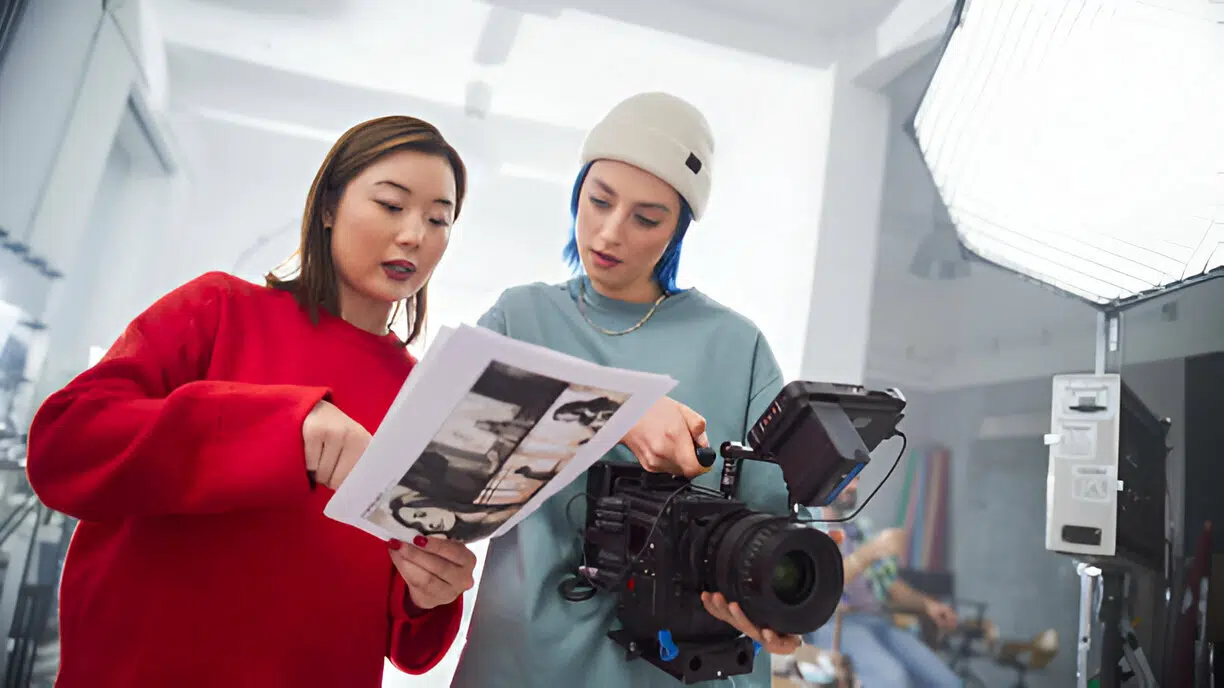
They adjust to sound, lighting, and timing changes. This steady approach delivers smooth coverage, clear audio, high-quality visuals, and a reliable final result.
Conclusion
Studio work allows retakes. Live event video production does not. It moves quickly, and every moment must be captured as it happens. Good planning is essential.
Skilled camera operators and clear communication matter. Proper live video production shows genuine emotions and real experiences. It builds a stronger bond between brands and their audience.
FAQs
What type of events need live video production the most?
Large conferences, corporate meetings, product launches, concerts, and public events need live video production. These events have important moments that cannot be repeated.
How early should a video team arrive before a live event starts?
Most teams arrive 2 to 4 hours early. This allows time for setup, testing, and fixing technical issues.
How many cameras are usually needed for a live event?
Most live events use two to four cameras. Larger events may need more for full coverage.
What happens if a speaker goes off schedule?
The video team adjusts in real time. Cameras and audio stay ready to capture key moments.
How long does it take to deliver a highlight video?
Highlight videos are usually delivered within 2 to 5 days. Urgent projects can be faster.
What makes a live event video feel professional?
Clear audio, steady visuals, good lighting, and smooth editing. Strong storytelling also adds quality.