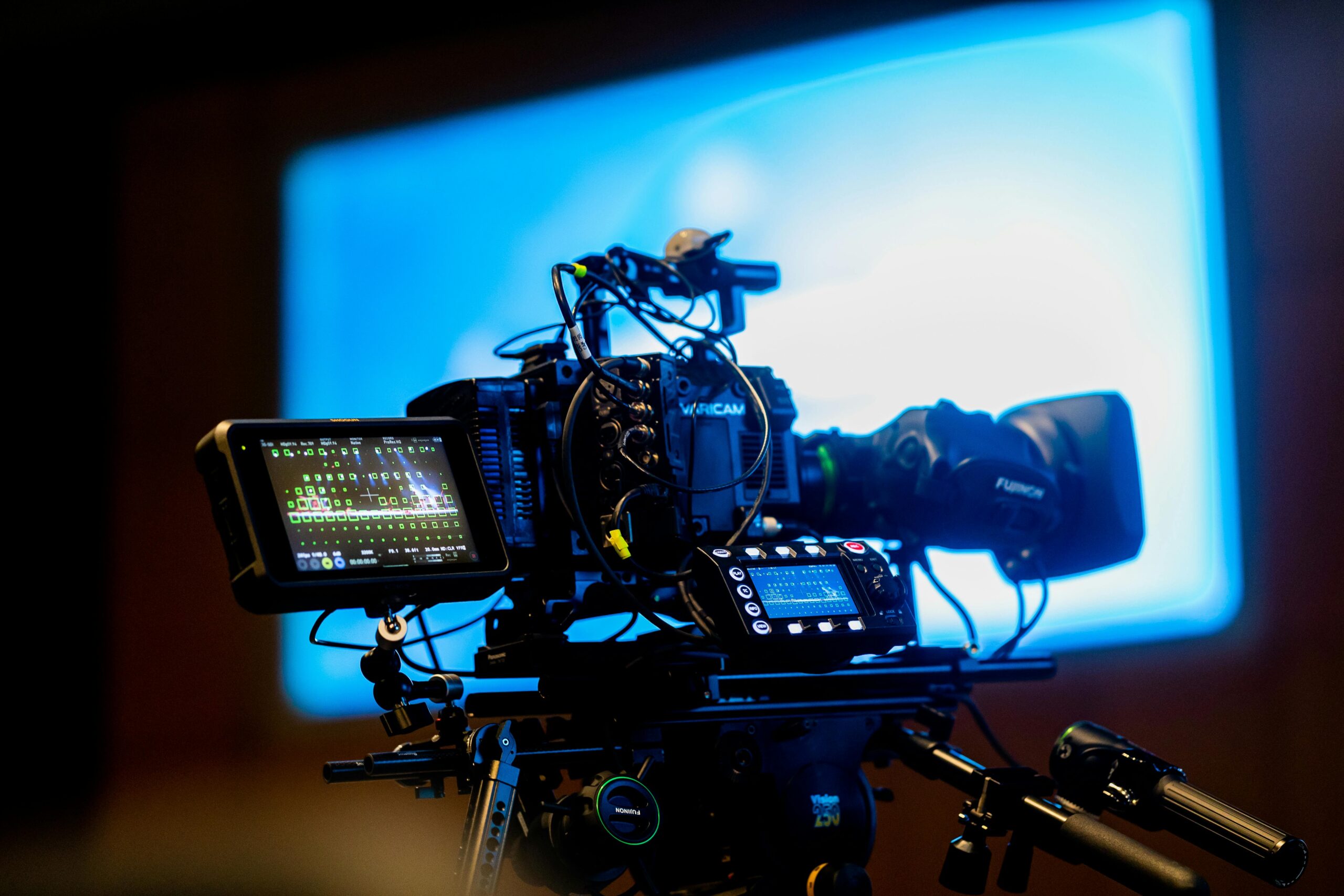
How Corporate Video Production Will Change in 2026: Costs, Trends & What to Expect
Summary
Video production will look new in 2026. Budgets will shift. Teams will use fresh tools for filming and editing. Stories and AI will play a big role. Companies must adapt to growing expectations.
Introduction
Corporate video production will enter a new stage in 2026. Technology will move fast. Audiences will want deeper stories. Companies will ask for videos that feel real and powerful.
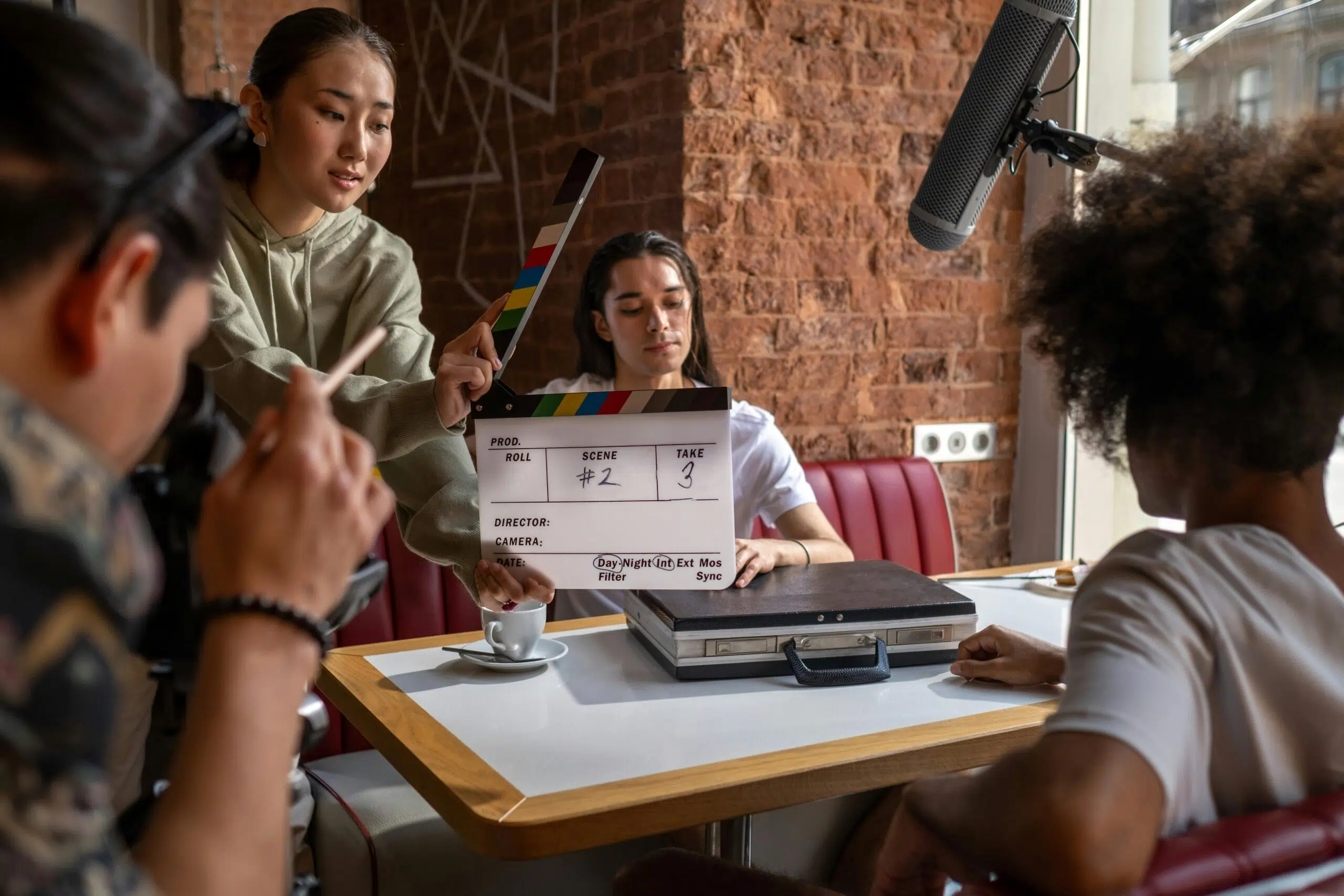
The market will shift and push teams to plan better and create smarter content. Many brands will increase their video budgets.
Corporate video demand grows by 15% yearly and spending may cross 30+ billion dollars in 2026. This blog will explore costs, trends, risks and the future of corporate video production in 2026.
The Changing World of Corporate Video Production
Corporate video production is no longer simple. It has moved far beyond traditional company profiles. Brands prefer emotional videos, fast editing and clean visuals.
In 2026, this becomes more important. Companies will study viewer actions closely to shape smarter video ideas.
Production teams will blend creativity with data. This shift will help videos perform better and connect more deeply with people.
Why 2026 Will Be a Turning Point?
Digital platforms will rise strongly in 2026 and this will change how businesses use video. Experts believe that over 82% of all online content will be video. This pushes companies to invest in stronger video campaigns.
Brands now expect quick results and simple workflows. They also want modern production techniques that deliver high-quality output.
Key Trends That Will Shape Corporate Videos in 2026
This section explores the biggest changes coming to the industry.
-
Growth of AI Tools in Video Production
AI will shape video production in 2026. Many steps will become faster. AI can create ideas, storyboards, editing drafts and voiceovers.
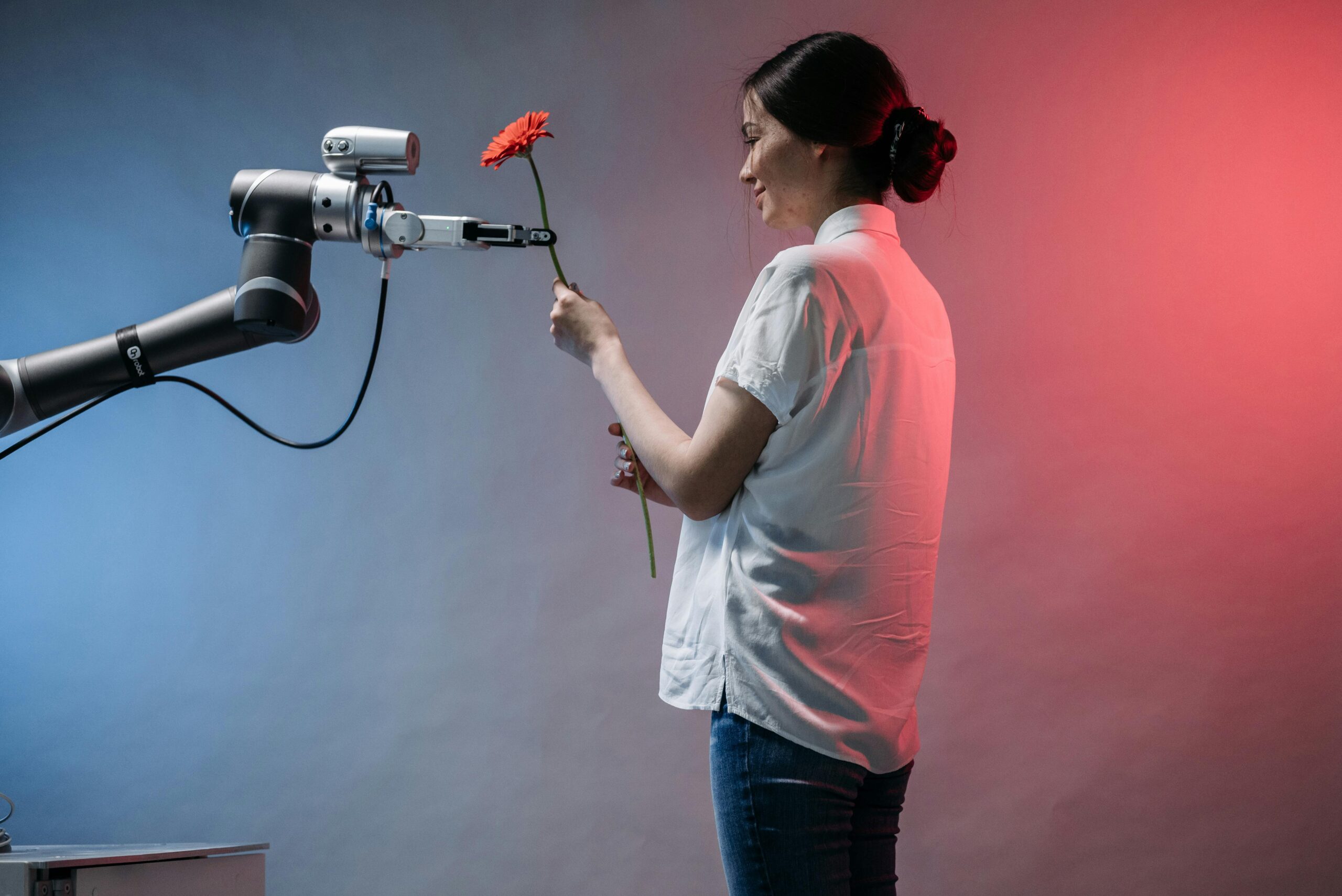
Over 60% of video teams will use AI tools. This will save time and boost output. But human creativity will still guide the final story.
-
Rise of Short, Story-Driven Videos
Short videos will stay popular in 2026. People love quick stories that share a clear message fast. TikTok and YouTube Shorts guide brands in 2026.
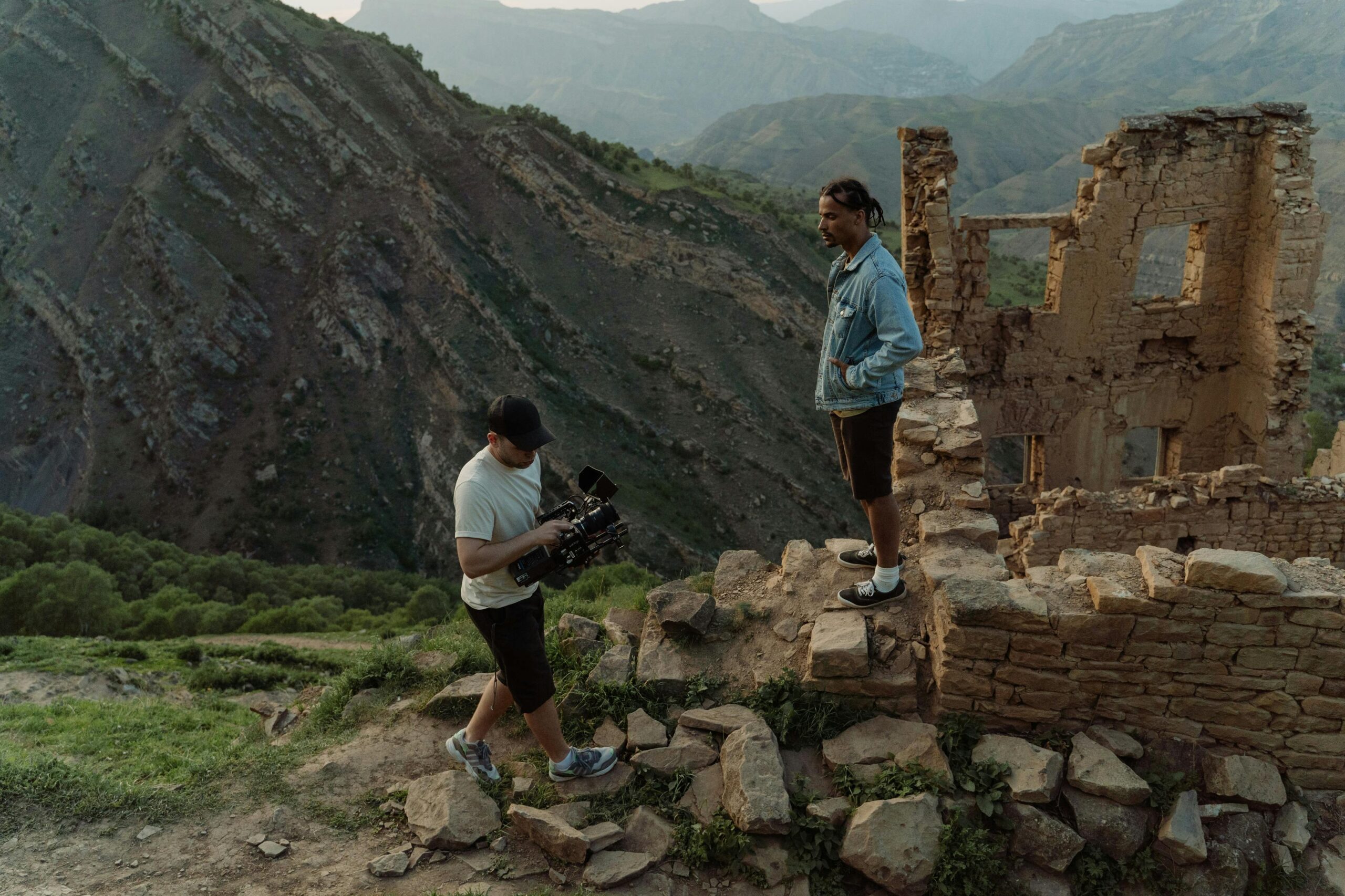
Companies will use short videos for training and branding. These fast clips keep viewers engaged and make messages easy to remember.
-
Demand for Real and Human-Style Content
People avoid videos that look over-edited. They want real moments. They want natural reactions.

In 2026, companies will show more behind-the-scenes content and real workplace life. This builds stronger trust. Viewers feel connected to the brand. More brands will use real team members on camera.
-
8K, Drone Shots, and Advanced Visuals
Video quality will rise even further. Many 2026 videos will use 8K shots. Bright studio lighting will shape the final look.
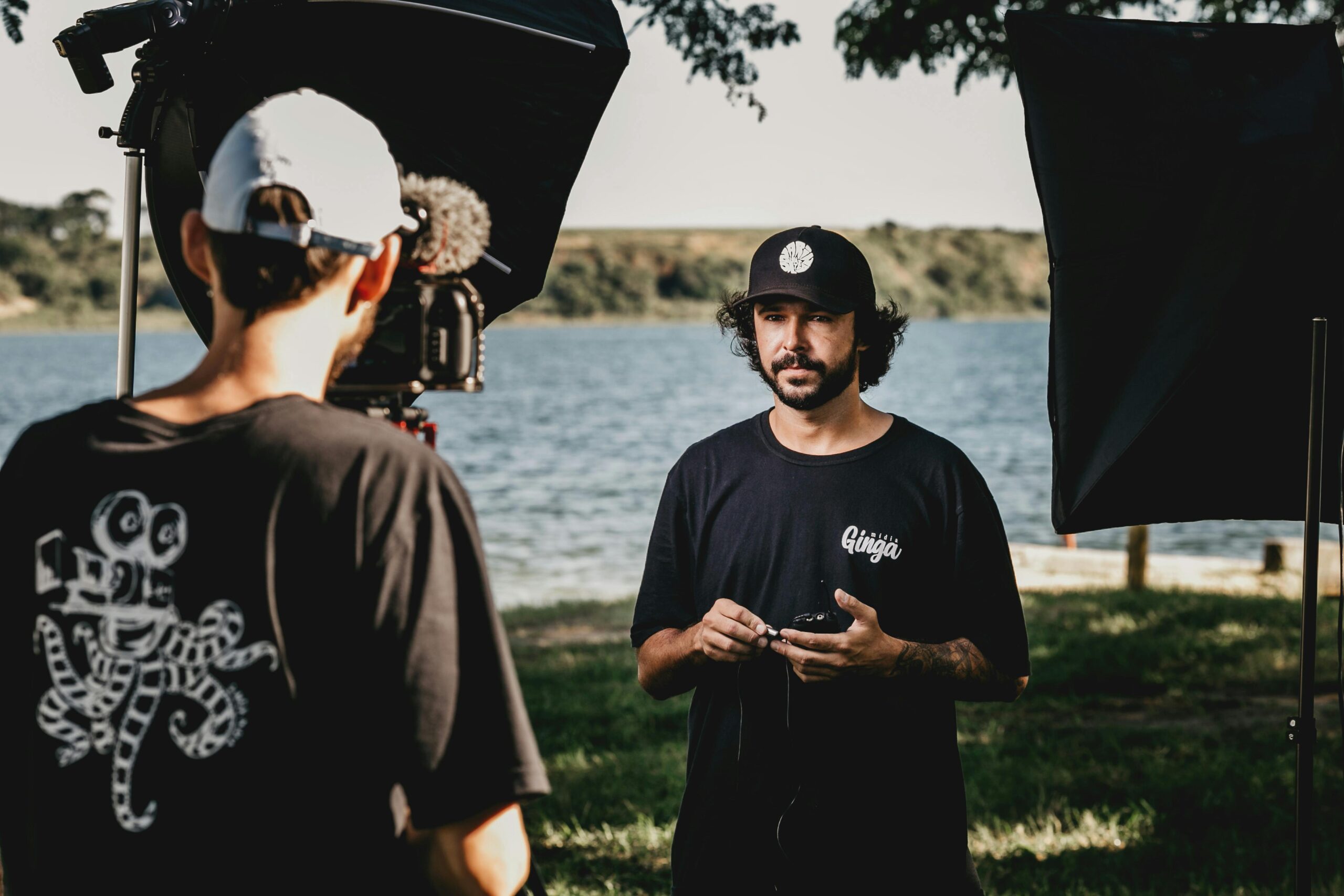
Drone videos will grow because gear is now affordable. Reports say drone use will rise by 40%. Clear visuals will help brands look modern and trusted.
Corporate Video Production Costs in 2026
Corporate video prices will not stay the same in 2026. Earlier costs were between $3000 to $25000 based on the style and difficulty.
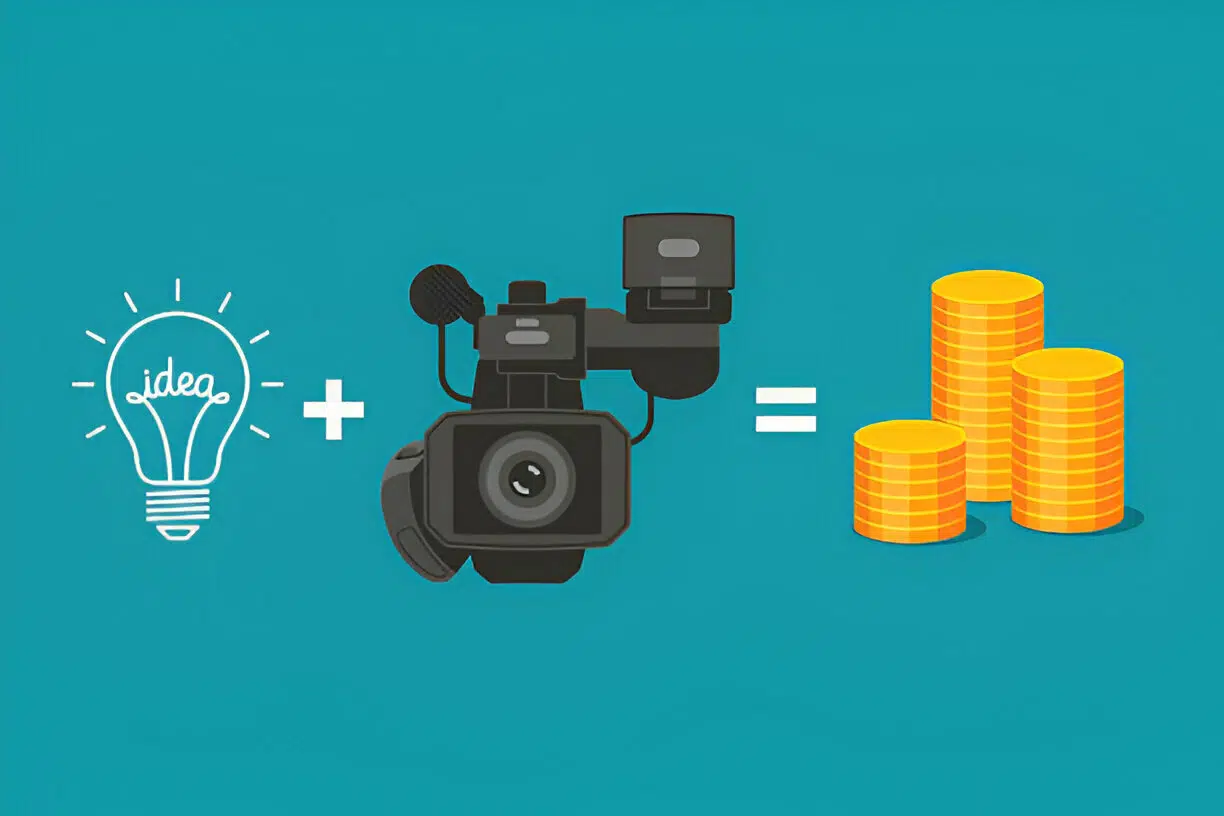
In 2026, video prices may move in two directions. Some videos may get cheaper while advanced videos may cost more due to higher expectations.
Where Costs May Increase?
More companies want cinematic videos in 2026. They expect deep stories with 3D images and smooth motion graphics.

Voice-overs also add extra work. These tasks need skill and long hours. Advanced animation may push costs higher by 15% to 20%.
Where Costs May Decrease?
Simple videos like interviews and explainers may cost less in 2026. AI editing, cloud tools, and automated lighting systems will cut down production hours.

Many companies may save up to 25% on post-production costs because editing will become faster and smarter.
Average Cost Breakdown for 2026
Below is the 2026 cost breakdown, which varies by script, filming time, visuals, and equipment.
- Basic Videos: $2,000 – $5,000
- Standard Corporate Videos: $5,000 – $15,000
- High-End Production: $20,000 – $50,000+
- Complex Animation or 3D: $10,000 – $70,000
Market Shifts in the Corporate Video Industry
The video industry is moving fast. Most companies now rely on video as their main tool. Over 85% use it and the number will increase in 2026.
-
Higher Demand for Video Across Industries
Many industries, like hospitals, real estate, IT and retail, now invest more in video. They use videos for learning, marketing, product demos and online content. As demand grows, the video market becomes more competitive.
-
Short-Form Videos Will Dominate
Short videos will grow fast in 2026. Social apps like TikTok and YouTube Shorts will demand quick content. Viewers like fast details. So brands will focus on creating videos that stay between 15 and 60 seconds.
-
Data-Driven Video Strategies
Companies will rely on data to plan better videos. They will check engagement, view time, click rates and user actions. This will guide stronger content choices. More brands will use analytics tools to track results.
New Content Styles Businesses Will Use
Businesses will try new video styles to match modern viewer needs. They will focus on fresh ideas that feel clear, simple and engaging. Like,
-
Storytelling Will Become Stronger
Storytelling will shape corporate videos in 2026. Companies will move from self-promotion to emotional connection. Real stories will show what a brand believes in. This helps people understand the message and remember it longer.
-
Interactive Videos
Interactive videos let people choose paths and see different parts of the content. This creates a more engaging experience. It helps viewers learn faster. Many brands will use this style for training and product demos.
What Businesses Should Plan For in 2026?
Businesses must get ready for a new video style in 2026. Early planning helps save time, money and reduces stress later.
-
Plan Bigger Video Budgets
Video is becoming a long-term investment. Brands should boost video budgets by 10% to 20%. This allows them to make better content all year and stay visible online.
-
Focus on Strategy, Not Just Production
A smart strategy guides every video. A business should define its purpose, audience, story and posting method. Without a strategy, even a good video will not achieve success.
-
Preparing for Faster Video Cycles
Video trends change fast now. Brands must prepare early and post often. Many companies use a 6-month plan or a 12-month plan. This brings consistent videos and keeps their online presence active and steady.
-
Using Real People and Real Stories
Corporate videos in 2026 need honest storytelling. Viewers trust real moments more than planned lines. Businesses should record staff, customers and real-life scenes. This helps people feel closer to the brand and understand it better.
-
Build Long-Term Partnerships
A long partnership with a video agency helps a company grow better. It builds trust and clear understanding between teams. This makes production smoother and keeps the brand message strong.
-
Choose the Right Production Partner
Professional studios give better quality and fast delivery. Businesses should choose teams that understand stories and tools. The right production team becomes a strong long-term partner.
Technology Advances That Will Shape Production
Technology will push production quality to new heights. Companies that adapt early will gain a competitive advantage.
-
High-Resolution Cameras (4K, 6K, 8K)
Before further explanation, note that businesses must prepare for higher video clarity. New cameras capture sharper details. This improves film quality but also increases editing time.
Storage costs also rise because high-resolution files are heavy. Clients will expect cinematic results even for short videos.
-
AI-Powered Editing Tools
AI will speed up the workflow. Editors will create rough cuts in minutes. AI will clean audio, fix lighting and suggest better scenes. It saves time but teams must understand how to use AI tools.
-
Cloud Collaboration
Video teams will use cloud tools for remote work. Everyone can edit and plan together in real time. It saves time and improves creativity.
Risks and Challenges in 2026
In 2026, there are many advantages but also risks that matter. These risks change budgets, timelines and business decisions.
- Rising costs due to new technology.
- High demand for skilled professionals.
- Longer planning time for complex videos.
- Risk of losing emotion with too much AI.
- Strong competition makes uniqueness hard.
- Strict privacy rules limit personalization.
- Few virtual production studios are available.
- Clients expect higher quality.
- Pressure to create more videos faster.
- Heavy reliance on digital platforms.
Future of Corporate Video Production in 2026
The future of corporate video production in 2026 will be faster, smarter and more creative. AI tools will help with editing, scripting and planning. Virtual studios will make shoots simple.
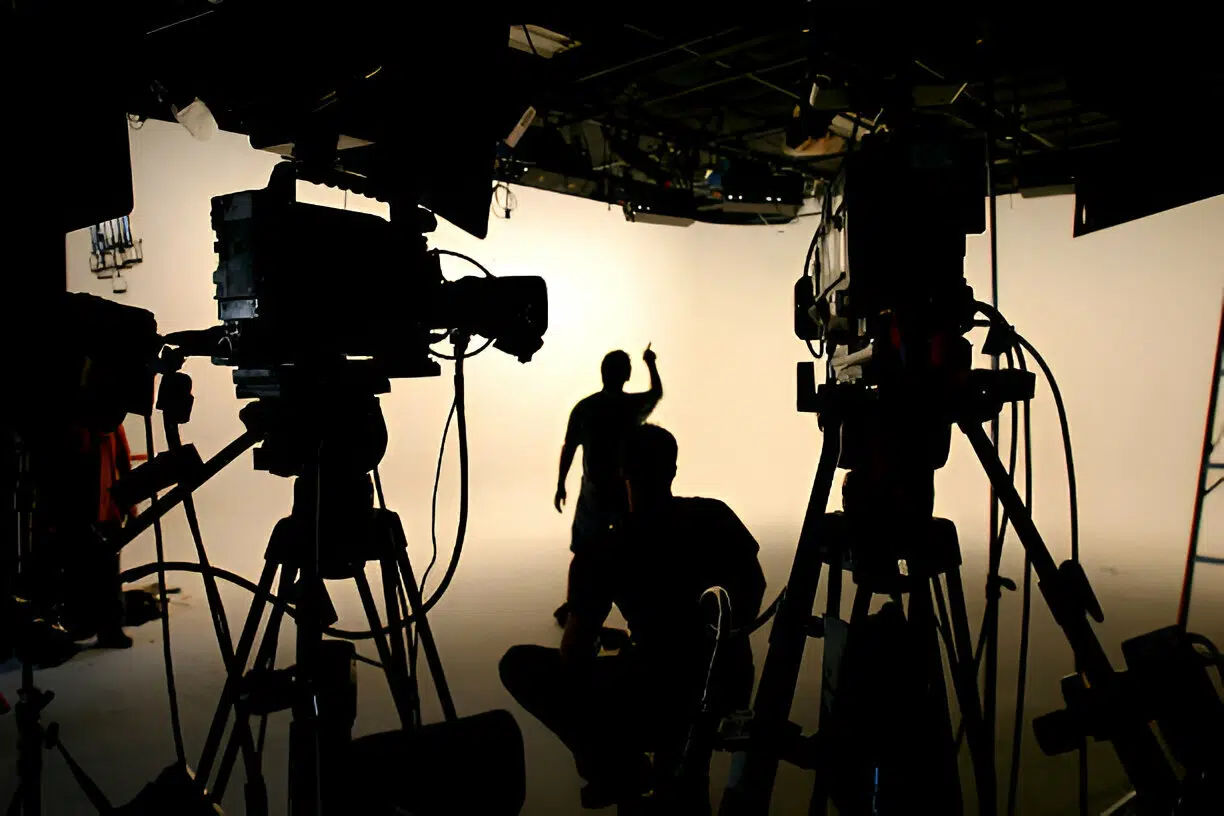
Companies will use 4K and 8K quality as a normal standard. Story videos will grow. Training and product videos will improve. Brands will focus on clear messages and strong visuals.
Conclusion
Corporate video production in 2026 will bring new chances and new challenges. Costs will rise, and technology will grow. Audience needs will change fast.
Businesses that plan ahead will stay strong. This year will reward brands that use new tools and smart ideas. Simple human stories will matter. The most flexible and creative companies will stand out.
FAQs
What types of corporate videos will be popular in 2026?
Short videos and story-based brand films will be very popular in 2026. 3D explainers and personalized content will also grow fast.
Does virtual production reduce video costs?
Yes! It reduces travel and setup time. But it still needs strong technical equipment.
What skills will video teams need in 2026?
Teams will need AI skills and strong storytelling. They must also know advanced editing, animation and stay adaptable.
Will AI reduce post-production costs?
Yes! AI will automate many editing tasks. It will also cut post-production time and reduce costs.
Will AI replace human editors?
No! AI will help editors with fast and smart tools. But human creativity and decisions will still matter the most.