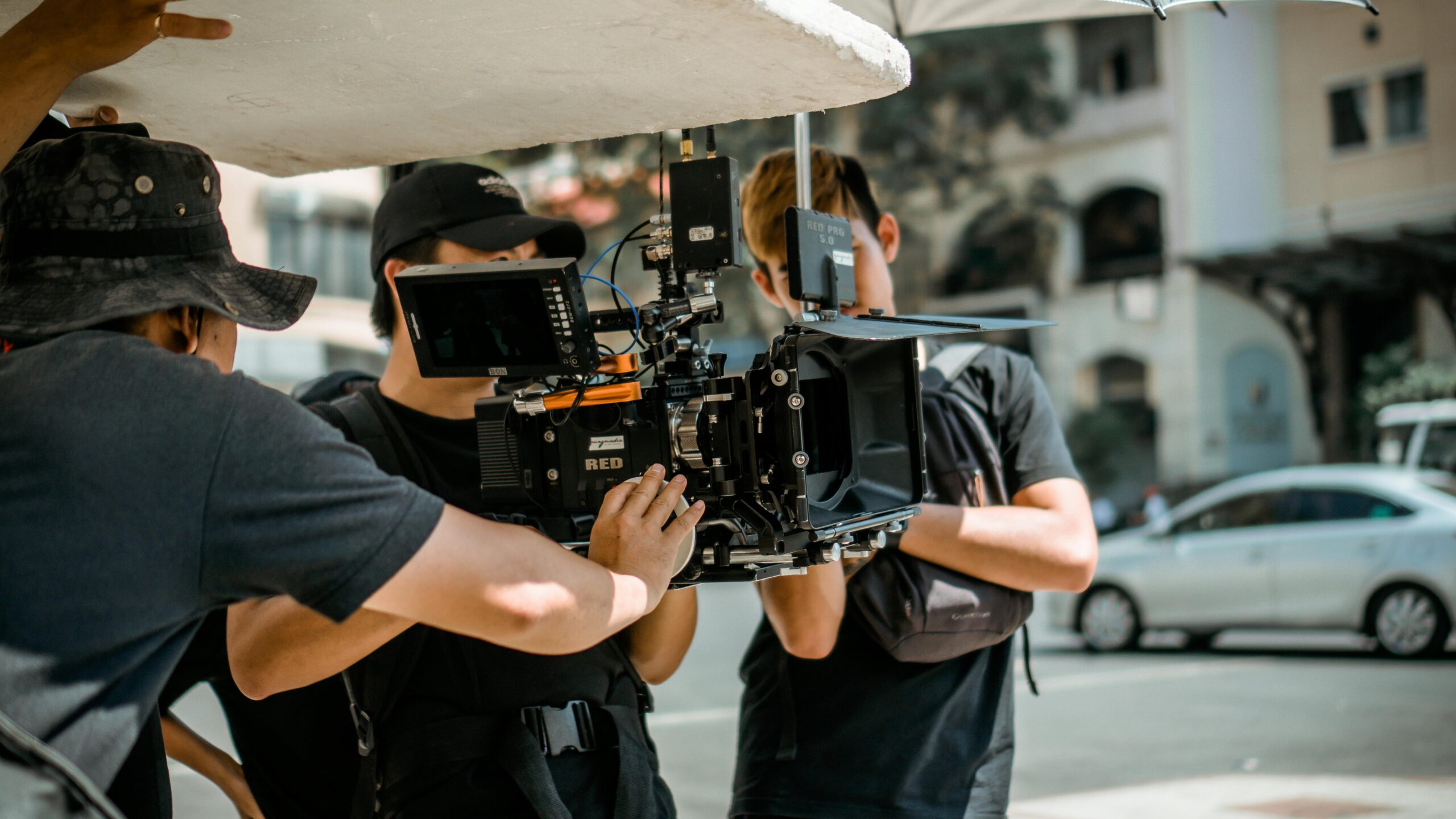
What is the Difference Between Cinematography and Videography?
Summary
Cinematography plans every frame for impact. It aims for drama depth and polish. Videography captures moments quickly. It stays practical and real. Select what suits the story budget scale and publishing place. Both can succeed when used well.
Introduction
Every video shares a story. Some videos feel like films. Others feel simple and real. This causes confusion between cinematography and videography. Both use cameras. Both create videos.
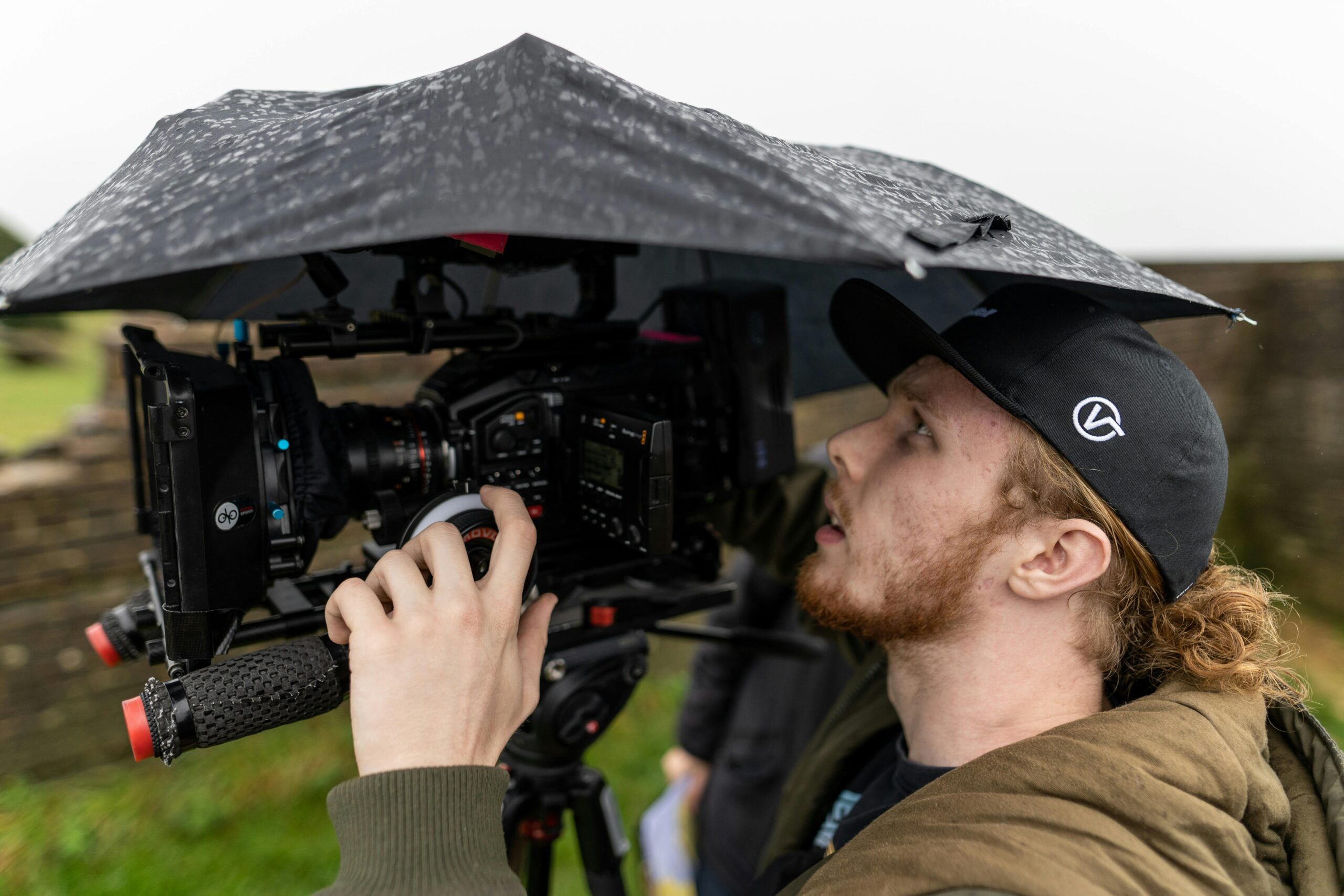
But the purpose is different. The process is different. The feeling is different. Knowing this helps you choose the right expert.
This blog explains cinematography and videography. It covers features, uses skills and differences. It also helps you decide what suits your project.
Understanding of Cinematography
Cinematography makes viewers feel emotions. It uses frames, light and motion to tell a powerful story.

Definition of Cinematography
Cinematography records visuals to tell stories through motion. It focuses on scene design, lighting and movement to create a feeling. Camera angles, lighting colors and movement are planned with care.
Each choice supports the mood, emotion and meaning, so the story connects strongly with viewers on screen for audiences.
Key Features of Cinematography
Cinematography shares meaning through images. Every shot is designed to control mood and viewer focus.

-
Lighting and Mood
Lighting sets the tone of a scene. Soft light can feel calm or romantic. Hard light can create tension or drama. It helps shape emotions without using words.
-
Camera Angles and Movement
Camera angles control how we see characters. Low angles show power. High angles show weakness. Smooth camera movement adds flow. Sharp movement adds intensity.
-
Color and Visual Style
Colors express mood and emotion. Warm tones feel cozy. Cool tones feel calm or cold. Color grading keeps visuals consistent from start to end.
-
Composition and Framing
Nothing in the frame is random. Smart framing directs focus to key details. It helps the audience understand the scene clearly and easily.
Common Uses of Cinematography
Cinematography uses visuals to make stories feel alive. It works in many formats. Like,
- Feature films that tell deep stories.
- Television shows with a strong visual identity.
- Commercials that create emotional impact.
- Documentaries with cinematic storytelling.
- Music videos with artistic visuals.
Understanding of Videography
Videography records life in motion. It captures events and stories naturally. The camera follows real action and real feelings without control. It speaks to viewers everywhere.
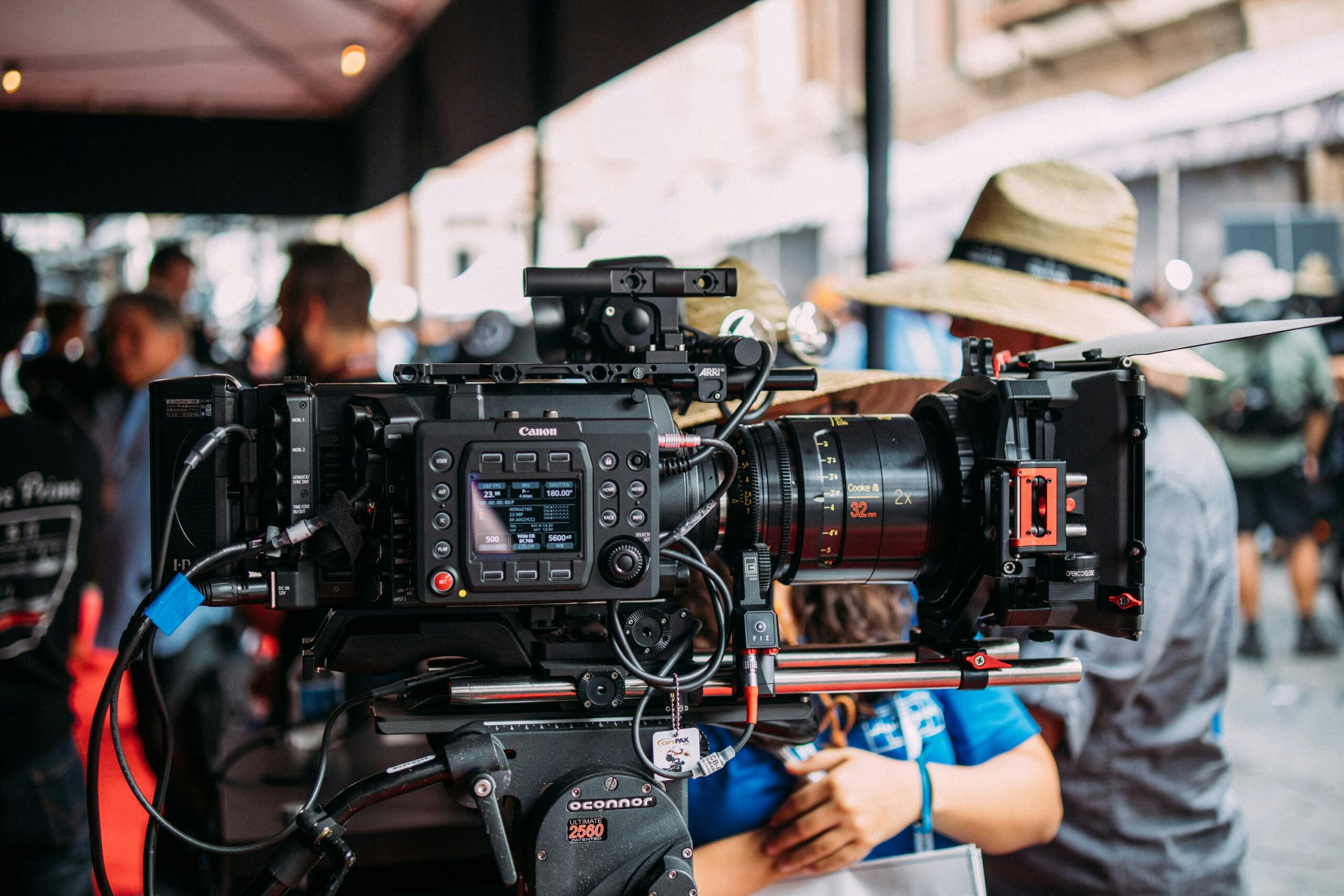
Definition of Videography
Videography is the art of recording real-life moments. It films people, events and activities. It keeps things simple and natural.
It does not add heavy storytelling. The purpose is to show clear movement and emotion. This helps viewers feel close to the moment shown.
Key Features of Videography
This form of video making is simple but meaningful. It captures reality as it happens without heavy effects.
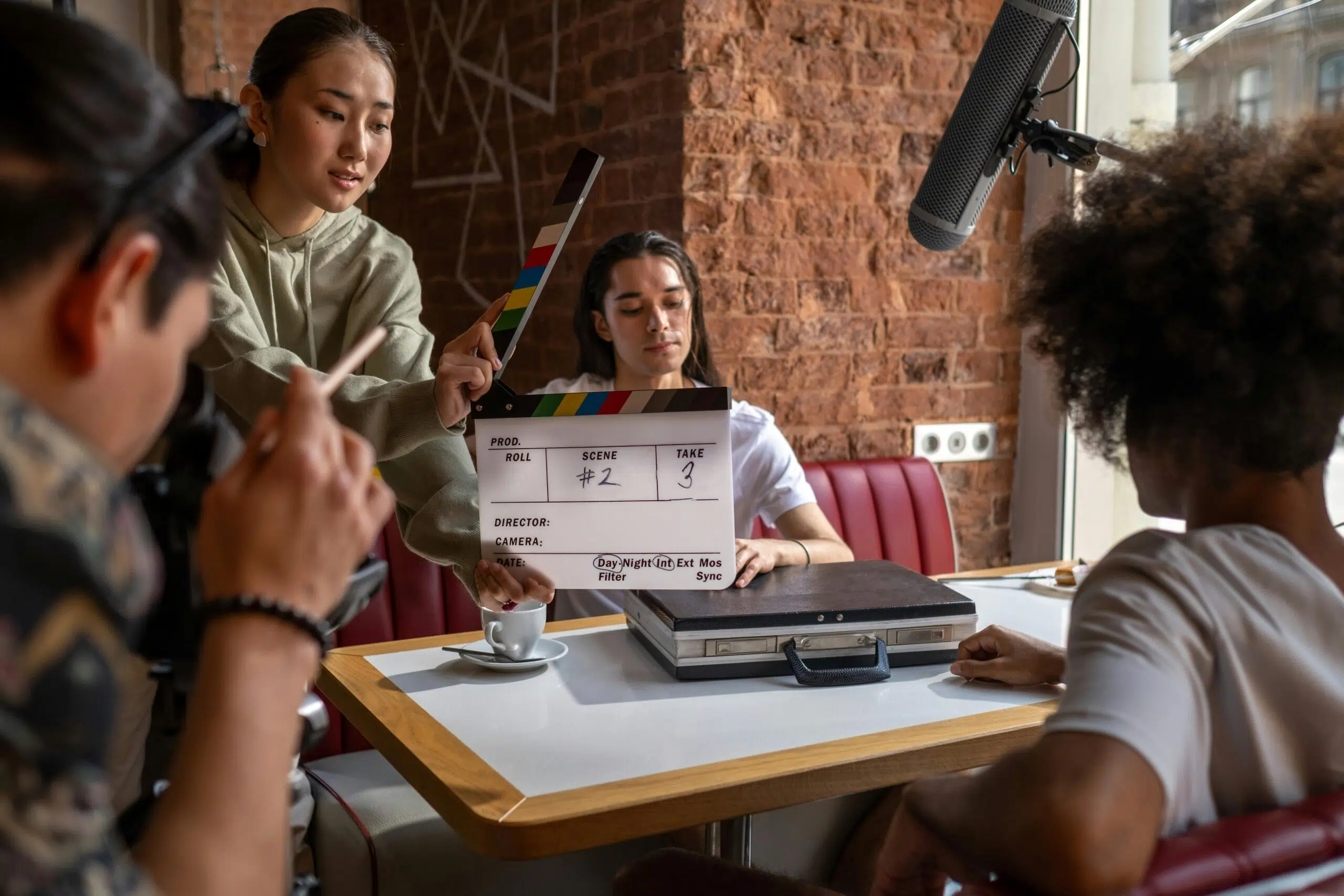
-
Real-Time Capture
Videography shows events as they happen. There is little chance to redo scenes. This keeps the content genuine. The camera moves along with the action.
-
Minimal Setup
Videography usually uses lightweight equipment. The setup is quick and flexible. This helps videographers move easily and capture unexpected moments.
-
Natural Lighting
Natural light is common in videography. It shows real moments. The subject remains the main focus.
-
Practical Editing
Editing remains light and simple. Cuts flow well. The purpose is clarity. Drama stays low. The video feels calm, clear and easy to watch.
Common Uses of Videography
Videography fits into everyday life and business needs. It tells real stories through motion. Like in:
- Weddings and family events.
- Corporate meetings and seminars.
- Interviews and testimonials.
- Social media and online content.
- Product demos and training videos.
Cinematography vs Videography: Key Differences
Both fields involve cameras, but their approach is very different. Many competitors explain this only at a surface level. Here, we go deeper.
-
Purpose and Vision
Cinematography is about storytelling and emotion. Videography is about recording real life. One feels artistic and planned. The other feels practical and direct.
-
Planning and Production Style
Cinematography requires detailed planning. Storyboards and shot lists are common. Videography needs minimal planning. It adapts to real-time situations.
-
Equipment and Setup
Cinematography focuses on advanced equipment and prime lenses. It uses moving rigs and planned lighting for visual storytelling. Videography uses simple cameras, basic lights and flexible movement.
-
Budget and Time
Cinematography usually takes more time and higher spending. Videography saves money and finishes fast. This simple contrast shapes many client decisions today.
-
Final Output and Look
Cinematography gives a film-like look. The video feels dramatic and polished. Videography looks natural and real. It focuses on clear visuals and sound. Both are useful, but for different needs.
Skills Required for Cinematographers vs Videographers
Both professionals work with cameras. Their responsibilities are not the same. They need different skills for creativity planning and technical handling.
-
Creative Vision and Storytelling
Cinematographers think like storytellers and plan scenes with emotion. They lead the audience through visuals. Videographers capture real events as they happen with clarity.
-
Technical Camera Knowledge
Cinematographers study cameras, lenses and composition deeply. They guide focus depth and movement. Videographers work on the spot. They react fast and adjust settings live.
-
Lighting and Color Control
Cinematographers design lighting for drama and feeling. Color tones are chosen before filming. Videographers rely on natural light. They focus on clear and bright scenes.
-
Editing and Post-Production
Cinematographers collaborate with editors to create a cinematic style. Color grading is essential. Videographers often edit alone. They aim for clean cuts, clear audio and smooth viewing.
-
Teamwork and Adaptability
Cinematographers rely on teamwork and follow creative direction. Strong communication is needed. Videographers usually operate alone. They react fast and take care of many roles.
Which One Should You Choose?
Your project decides the right approach. Budget goals and message matter most. Each format supports different content and audience needs.
-
Why Should You Choose Cinematography?
Cinematography is the right choice for powerful storytelling. It suits film commercials and brand stories. The focus is on emotion and visual beauty.
Every shot is planned. Lighting is balanced and detailed. The final video feels polished and cinematic. It works best when you want a strong impact.
-
Why Should You Choose Videography?
Choose videography for fast and clear results. It works well for events, interviews and social media. It is flexible and affordable for most projects. It captures real moments naturally.
This option is best when speed, simplicity, and information are more important than visual drama.
Can One Professional Do Both?
Yes! A single creator can perform both roles in many cases. They understand camera work, lighting and story flow. They film events with confidence. This option fits short projects and online platforms well.
Large-scale films often demand separate experts to maintain focus, control and cinematic quality. This ensures better outcomes for audiences.
Conclusion
Both styles capture moving visuals, but they serve different needs. Cinematography focuses on story, mood and artistic vision. It requires planning and detailed work. Videography focuses on real moments and clear recording.
It is fast and practical. One creates a cinematic feel. The other records reality. The best style depends on what you need, your budget and viewers. Understanding the difference improves quality and communication.
FAQs
Which one takes more time to produce?
Cinematography takes more time. It needs planning, setup, and detailed editing.
Which one is better for social media?
Videography is better for social media. It is quick, simple, and easy to share.
What is the difference between cinematic video and regular video?
Cinematic video focuses on storytelling, mood, and visuals. Regular video focuses on clear and direct recording.
Do both use the same cameras?
Sometimes yes. But cinematography often uses high-end cinema cameras and extra gear.
Which one costs more?
Cinematography costs more. It needs more equipment, time, and a skilled team.