AI Scriptwriting vs. Human Storytelling: What Works Better?
Quick Summary
The AI scriptwriting process is quick and effective, and human storytelling is more emotional and creative. Each of them has its benefits and limitations. The right method depends on purpose, audience, and content type.
Introduction
You can just write in a few minutes or create a heart-touching story. Today, both options exist. AI can produce scripts within a short time. Emotion and real-life experience are introduced by human writers.
Both of the methods are used by many businesses today. But which one works better? It is a question of what you want to achieve.
This blog explains AI scriptwriting and human storytelling. It covers their benefits, limits, and key differences.
What is AI Scriptwriting?
AI scriptwriting uses software and algorithms to create scripts. It examines data, patterns, language, and models. It has the ability to produce dialogues, scenes and ideas in a short time.
This writing is applied in marketing, videos production, and the creation of content by businesses. AI helps save time and effort. But it relies on input and does not have genuine human feelings.
How Does AI Generate Scripts?
AI creates scripts using large datasets and patterns. It uses machine learning and natural language processing. Results depend on input quality.
Improved prompts provide improved output. However, AI can repeat concepts, but these may lack emotions.
Common AI Tools and Platforms
Many tools help with AI scriptwriting. They offer different features and benefits.
- AI writing tools for scripts and content creation.
- Video script generators for marketing and ads.
- Chat-based tools for quick script ideas.
- Platforms with templates for storytelling.
- Tools that support multiple languages.
Benefits of AI Scriptwriting
AI scriptwriting offers speed and efficiency. It can be helpful to businesses that require fast content production.

-
Fast Content Creation
AI can generate scripts in minutes. This is time-saving and more productive. It assists businesses in the creation of content without delays or strain.
-
Cost-Effective Solution
AI reduces the need for large writing teams. It lowers production costs. This makes it a low-cost alternative for startups and small businesses.
-
Easy Content Scaling
AI helps create large amounts of content quickly. It can be applied to social media and campaigns. Content can be scaled without having to work harder.
Limitations of AI Scriptwriting
AI scriptwriting has some clear limitations. Like,
- Lacks emotional depth and human touch.
- May produce repetitive or generic content.
- Depends heavily on user input quality.
- Cannot fully understand brand voice.
- Limited creativity compared to humans.
What is Human Storytelling?
Human storytelling refers to the art of narrating stories using feelings and experiences. It connects with viewers at a more personal level. Writers employ imagination, creativity and life experiences.
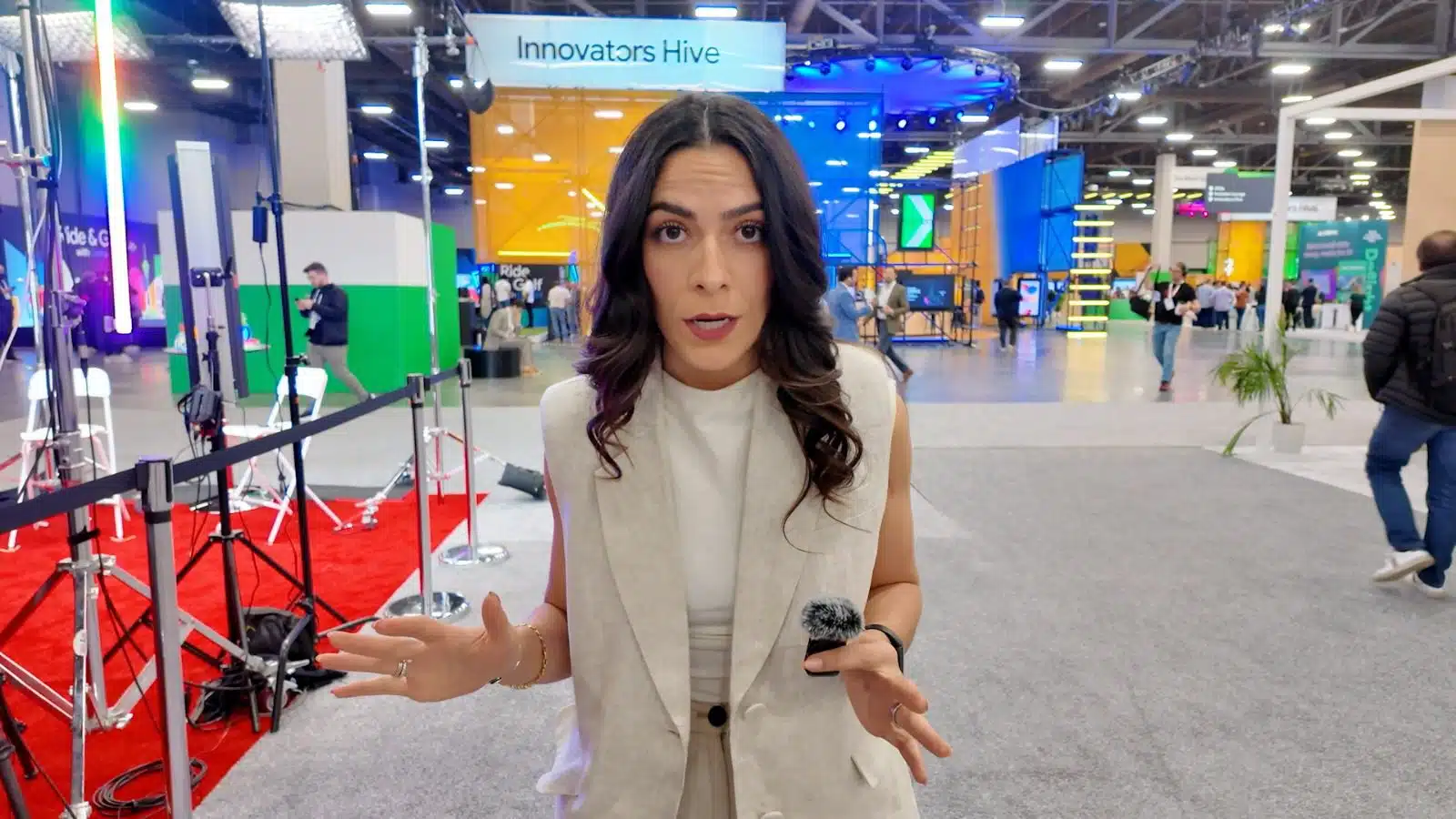
This makes content interesting and significant. Human storytelling is popular in the movies, branding, and marketing.
Role of Creativity and Emotion
Emotions are introduced to stories by human writers. They learn emotions such as happiness, fear, and excitement. This helps in connecting with the viewers.
Storytelling is better with emotion. It makes the content unforgettable and effective. This level of emotion is beyond the capabilities of AI.
Experience and Personal Perspective
The personal experience influences human storytelling. Writers draw on real-life scenarios and views. This adds authenticity to content.
It helps to create original and unique stories. Storytelling is more powerful and relatable due to the personal insights.
Benefits of Human Storytelling
The storytelling done by humans is rich and novel. It creates strong audience connections.
-
Emotional Connection
Human stories are relatable to audiences. They evoke feelings and create trust. This enhances interactivity and increases the effectiveness and memorability of content.
-
Creative Flexibility
Human writers are capable of being creative. They can adapt styles and ideas easily. This allows unique storytelling that stands out from generic content.
-
Strong Brand Voice
Humans understand brand identity better. They can match tone and style. This makes communication with the audience consistent and meaningful.
Limitations of Human Storytelling
Human storytelling also has some challenges.
- It takes more time to create content.
- Higher cost compared to AI tools.
- Limited scalability for large projects.
- Depends on individual skills and experience.
- May require multiple revisions.
AI vs Human Storytelling: Key Differences
The strengths of AI and human storytelling are different. Their differences are understood to help make the right choices.
-
Speed vs Depth
AI works fast and creates scripts in minutes. It is great for bulk content and tight deadlines but lacks emotional depth.
Human storytelling is more time-consuming. Writers provide meaning, emotion and good characters. They make the content more engaging.
-
Creativity vs Automation
AI makes content based on the data and patterns. It is effective yet may be dull and unoriginal.
Creativity and imagination are used by human writers. They come up with original ideas and narrations. They also play around with tone and style, which makes the content more interesting and distinctive.
-
Cost vs Long-Term Value
AI is cost-effective. It reduces team size and lowers content production costs. This helps startups and small budgets.
Human storytelling costs more. Skilled writers need higher investment. It offers strong long-term value. Also, it builds brand reputation, trust, and deeper audience connections.
-
Consistency vs Emotional Intelligence
AI gives consistent output and follows instructions. It is tonal and suited to boring text, such as blogs and scripts.
Human storytelling brings emotion and insight. Writers reach out to the audience and change the tone. This makes content more actual, involving and effective.
-
Scalability vs Personalization
AI is highly scalable. It creates large volumes of content quickly. This can be applied to social media and marketing.
Human storytelling is based on personalization. Writers make content to suit audiences. They add personal insights. This builds stronger engagement and a better user experience.
When to Use AI Scriptwriting?
Simple and repetitive tasks can be solved with AI scriptwriting. It is effective with social media material, product descriptions, and rough drafts.
It assists companies in saving time and scaling content creation. In case you want to be fast and efficient, then you can select AI.
When to Choose Human Storytelling?
Emotional and creative projects are best told by a human. It is best suited to movies, brand narratives and promotions.
Human writers are more preferable when you require originality and strong attachment. They are the life and meaning of content.
Can AI and Humans Work Together?
Yes, AI and human beings can collaborate. AI is able to deal with research and simple drafts. Human beings are able to edit and enhance the content.
The combination saves time and enhances quality. This allows companies to have the best of both worlds.
Future of Scriptwriting in 2026 and Beyond
The future of scriptwriting will have both AI and human input. AI will be more developed and effective. Human creativity will not get any less important.
Businesses will employ an integrated strategy. This will enhance productivity and the content.
Common Myths About AI in Storytelling
There are many misconceptions about AI in storytelling. Like,
- AI can fully replace human writers.
- AI always creates perfect content.
- AI understands emotions like humans.
- AI does not need human input.
- AI can handle complex storytelling alone.
Conclusion
AI scriptwriting and human storytelling both have value. There is speed, efficiency, and cost savings in AI. Creativity, emotion and depth can be found in human storytelling. It is a matter of the needs you have.
AI is effective in simple tasks. Human writers are superior to meaningless texts. A combination of the two can be the most successful. Knowing their strengths can help you develop strong and effective content.
FAQs
How accurate are AI-generated scripts?
AI scripts are accurate but need human review.
Can AI replace creative writers in the future?
No, AI cannot replace creative writers due to lack of emotion and originality.
How do writers improve AI-generated scripts?
Writers edit, refine, and add creativity to improve clarity and engagement.
Does AI reduce creativity in content writing?
No, it supports creativity but should be used as a tool, not a replacement.
How do businesses combine AI and human storytelling?
Businesses use AI for drafts and humans for editing, creativity, and final quality.